
The choice between a quilt and comforter can transform your sleep experience entirely. As a textile expert with extensive hands-on experience, I’ve discovered that selecting the right bedding profoundly impacts sleep quality.
Throughout my years of testing various bedding options, I’ve found that understanding the key differences between quilts and comforters leads to better-informed decisions for your specific needs.
Understanding Bedding Basics
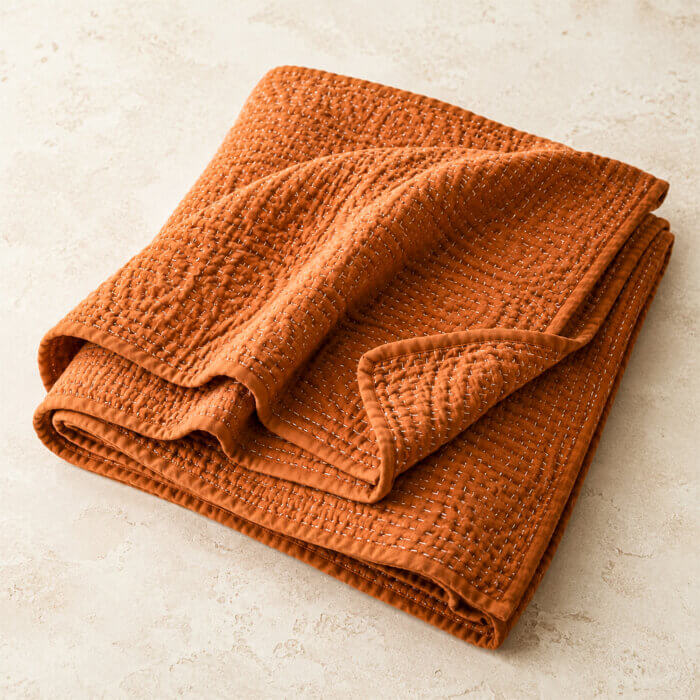
The fundamental differences between quilts and comforters lie in their construction and purpose. A quilt combines three distinct layers into a single piece, each serving a specific function:
- Top Layer: Carefully pieced fabric sections in decorative patterns
- Middle Layer: Batting or wadding for warmth without bulk
- Bottom Layer: Single piece of fabric backing
In contrast, a comforter takes a simpler approach to construction. Two layers of fabric encase a thick filling of either synthetic material or down.
The outer layers connect through basic stitching patterns that keep the filling evenly distributed throughout the comforter. This design creates a plush, cloud-like appearance that many associate with modern bedding.
Core differences at a glance:
| Feature | Quilt | Comforter |
|---|---|---|
| Construction | Three layers, intricate stitching | Two layers, simple stitching |
| Weight | Light to medium | Medium to heavy |
| Warmth Level | Moderate | High |
| Style | Traditional, detailed | Modern, simple |

Also Read >> Duvet Cover Vs. Comforter: Understanding The Differences
Detailed Analysis of Quilts
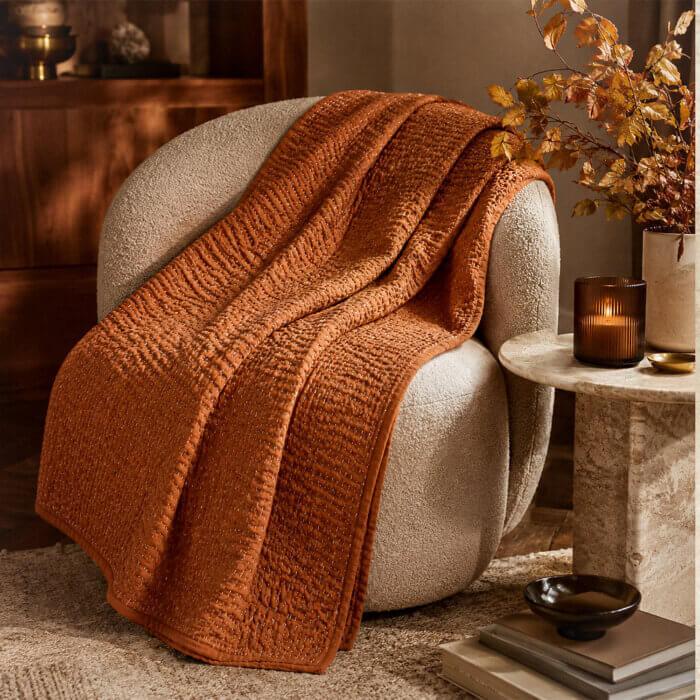
Modern quilts maintain their traditional charm while adapting to contemporary needs. Their construction involves either hand or machine stitching that creates distinctive patterns across the surface.
These patterns serve both decorative and functional purposes, securing all three layers together while creating visual interest.
Key benefits of quilts:
- Superior breathability for year-round use
- Versatile layering options
- Rich historical and artistic value
The temperature regulation properties of quilts make them exceptionally versatile. Their thinner profile allows better air circulation, making them suitable for year-round use. During warmer months, a quilt provides just enough warmth without overheating. In colder seasons, quilts layer beautifully with other bedding pieces to create customized warmth levels.
Comforter Characteristics
Modern comforters excel in providing consistent warmth through innovative insulation technologies. Their construction focuses on heat retention, with fill powers varying to suit different temperature preferences. The evenly distributed filling creates a uniform layer of warmth that maintains its effectiveness throughout the night.
Primary advantages of comforters:
- Consistent warmth distribution
- Lower maintenance requirements
- Modern aesthetic appeal
The design possibilities for comforters span a broad spectrum, from solid colors to intricate patterns. Many manufacturers offer coordinated bedding sets, making it simple to create a cohesive bedroom aesthetic. The visual weight of a comforter adds a sense of luxury to any bedroom, instantly elevating the room’s appearance.
Making Your Informed Choice
Climate Considerations:
- Hot Climate: Choose quilts for better breathability
- Cold Climate: Select comforters for maximum warmth
- Variable Climate: Consider seasonal rotation
Your local climate plays a crucial role in selecting between a quilt and comforter. Hot climate dwellers benefit from a quilt’s superior breathability and lighter weight
. Those in colder regions might prefer a comforter’s superior insulation properties. Seasonal changes may suggest keeping both options available for year-round comfort.
Maintenance requirements differ significantly between these bedding types. Quilts often need specialized cleaning methods to preserve their intricate stitching and prevent damage to the batting layer.
Comforters, particularly those with synthetic filling, generally withstand regular machine washing with proper care.
Investment Considerations
Quality ranges and typical pricing:
- Handmade Quilts: $200-500+
- Machine-Made Quilts: $80-200
- Premium Comforters: $150-400
- Standard Comforters: $50-150
Choosing between a quilt and comforter ultimately depends on balancing personal preferences with practical considerations. Your sleeping habits, local climate, maintenance capabilities, and aesthetic preferences all influence this decision.
Remember that either choice can provide years of comfortable sleep when selected thoughtfully and maintained properly.
| Feature | Quilt | Comforter |
|---|---|---|
| Construction | Three-layered with quilted design. | Two-layered, often with simpler stitching. |
| Warmth | Light to medium, varies with material. | Generally warmer and heavier. |
| Aesthetic | Traditional, intricate patterns. | Modern, bold designs; often part of sets. |
| Use | Bed cover, throw, decorative. | Primarily bed cover for warmth. |
| Care | May require special care. | Often machine washable; easier care. |
Also Read >> How To Layer A Bed Quickly