
As a mindful consumer, I’ve noticed more people are becoming aware of the environmental and social impact of their purchases, especially home products.
Labels like sustainable, organic, and Fairtrade are common but often confused. Without clearly understanding these terms, we may make misinformed decisions that don’t support our values.
This lack of clarity can lead us to unintentionally contribute to environmental harm, unfair labor practices, and social inequality.
I believe educating myself about the differences between sustainable, organic, and Fairtrade home products helps me make more responsible choices.
In this article, I’ll explore the unique characteristics and benefits of each label. My goal is to help you select products that align with your values and contribute to a more sustainable and equitable future.

What are Sustainable home products?
Sustainable home products are items that minimize environmental impact and resource depletion.
These products are designed to reduce the negative effects on the planet while still providing functionality and quality for consumers.
Also Read>>
Characteristics of Sustainable home products
- Materials
- Made from renewable, recycled, or biodegradable materials
- Materials can be replenished naturally or sourced from previously used items.
- Reduces the need for virgin resources
- Durability
- Designed for durability and long-term use
- Made to last longer than conventional products
- Reduces the need for frequent replacements and minimizes waste.
- Manufacturing
- Produced using eco-friendly manufacturing processes
- Aims to reduce energy consumption, greenhouse gas emissions, and pollution during production.
- Waste Reduction
- Designed to minimize waste and pollution throughout their lifecycle
- May have minimal packaging, be recyclable, or be biodegradable.
- Reduces their impact on the environment after use.
Examples of Sustainable home products
- Bamboo towels are an example of sustainable home products. Bamboo is a fast-growing, renewable resource that requires less water and pesticides compared to cotton.
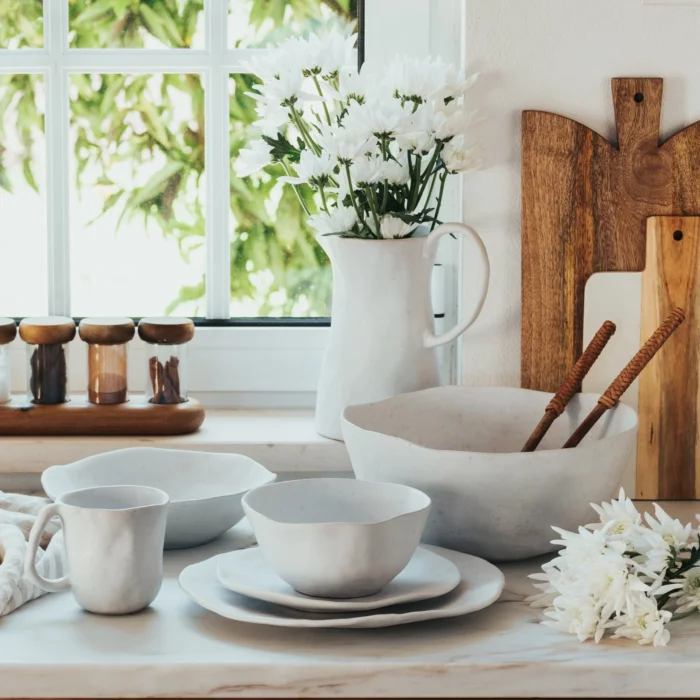
- Recycled glass dishes Dishes made from recycled glass are another example of sustainable home products. Using recycled glass reduces the need for raw materials and energy consumption in production.
- LED light bulbs are a sustainable alternative to traditional incandescent bulbs. They are energy-efficient, long-lasting, and reduce greenhouse gas emissions associated with electricity production.

What are Organic home products
Organic home products are made from organic materials grown without synthetic pesticides or fertilizers.
These products prioritize the use of natural, non-toxic ingredients and production methods.
Characteristics of Organic home products
- Materials
- Made from organic cotton, wool, or other natural fibers
- Grown without the use of synthetic pesticides or fertilizers
- Promotes the use of renewable and biodegradable resources
- Farming Methods
- Produced using organic farming methods
- Focuses on maintaining soil health and biodiversity
- Avoids the use of genetically modified organisms (GMOs)
- Chemical-Free
- Free from harmful chemicals and synthetic substances
- Minimizes exposure to toxins for both consumers and the environment
- Promotes a healthier living space
- Environmental Impact
- Often biodegradable and eco-friendly
- Reduces the environmental impact of production and disposal
- Supports sustainable agriculture practices
Examples of Organic home products
- Organic cotton bedding, such as sheets and pillowcases, is made from cotton grown without synthetic pesticides or fertilizers. This ensures a healthier sleeping environment and reduces environmental impact.
- Organic cleaning products are made from natural, non-toxic ingredients. They are free from harsh chemicals and are safer for both human health and the environment.
- Organic mattresses are made from organic materials, such as organic cotton, wool, and natural latex. They provide a healthy and comfortable sleeping surface without the use of synthetic materials or harmful chemicals.

What are Fairtrade home products
Fairtrade home products are items that ensure fair wages and working conditions for producers.
These products prioritize ethical labor practices and support the livelihoods of artisans and workers in developing countries.
Characteristics of Fairtrade home products
- Artisan-Made
- Made by artisans and workers in developing countries
- Supports traditional craftsmanship and skills
- Provides employment opportunities for marginalized communities.
- Fair Compensation
- Ensures fair prices and living wages for producers
- Enables artisans and workers to support themselves and their families.
- Promotes economic empowerment and stability
- Ethical Production
- Promotes sustainable and ethical production practices.
- Ensures safe and healthy working conditions for producers
- Adheres to strict labor standards and prohibits child labor.
- Community Support
- Supports community development and empowerment.
- Invests in education, healthcare, and infrastructure projects.
- Fosters long-term partnerships and sustainable growth
Examples Fairtrade home products
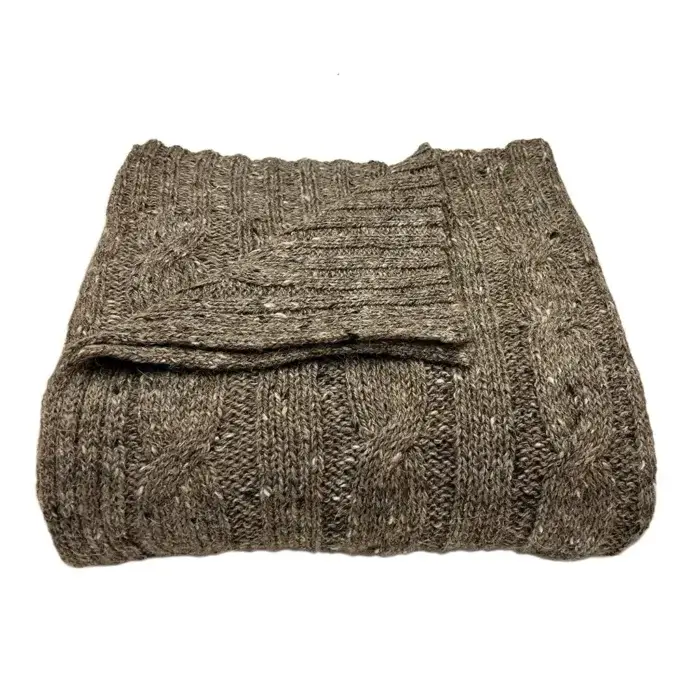
- Craftspeople in developing nations who receive fair wages and work in secure environments make fairtrade-certified rugs. These rugs are often handcrafted using traditional techniques and natural materials.
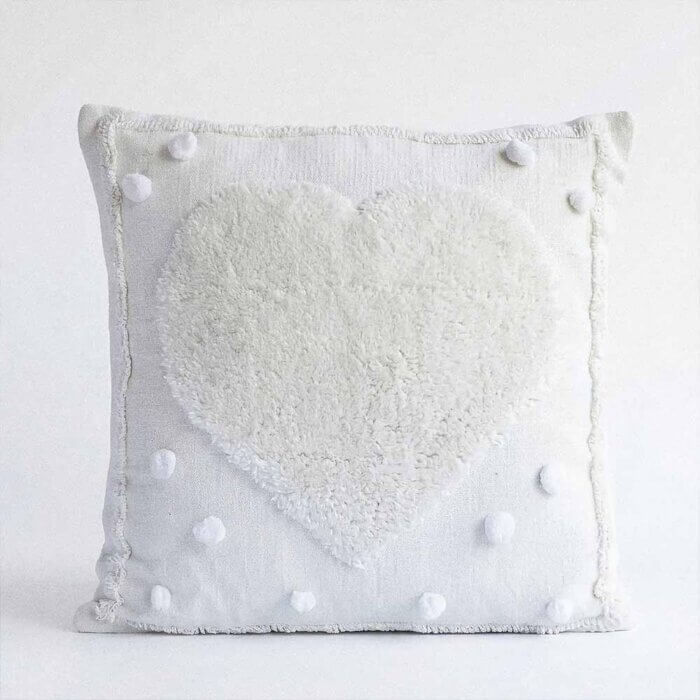
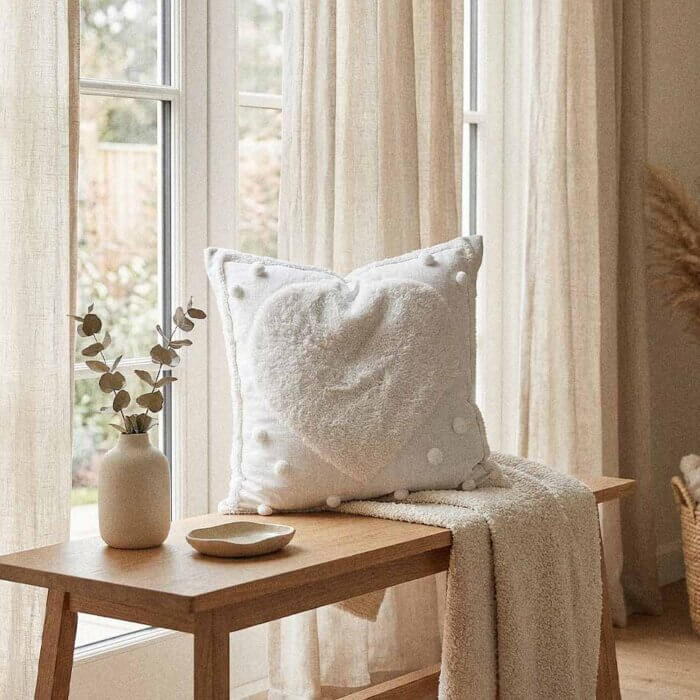
- Fairtrade textiles, such as bedding and curtains, are made from materials sourced from Fairtrade-certified producers. These products ensure fair compensation for farmers and workers involved in the textile industry.
- Fairtrade Home Decor Items Vases, picture frames, and sculptures are just a few examples of the fair trade home decor items made by artisans in developing nations. These products support the livelihoods of skilled craftspeople and promote the preservation of traditional art forms.
Sustainable, Organic, and Fairtrade Home Products
While sustainable, organic, and Fairtrade products have distinct focuses, they all contribute to a more responsible and ethical marketplace.
By supporting these products, consumers can make a positive impact on both the environment and the lives of people involved in their production.
Comparison table for sustainable, organic, and Fairtrade home products:
| Characteristics | Sustainable Products | Organic Products | Fairtrade Products |
|---|---|---|---|
| Focus | Environmental impact and resource conservation | Avoiding synthetic chemicals and using organic materials | Ensuring fair wages and working conditions for producers |
| Materials | Renewable, recycled, or biodegradable materials | Organic cotton, wool, or other natural fibers | Varies, but often natural and locally sourced |
| Production | Eco-friendly manufacturing processes | Organic farming methods | Ethical and sustainable production practices |
| Chemicals | Minimizes waste and pollution | Free from harmful chemicals and synthetic substances | Varies, but generally aims to minimize harmful chemicals |
| Certification | Various eco-labels and certifications (e.g., Energy Star, FSC) | Organic certifications (e.g., USDA Organic, GOTS) | Fairtrade certification |
| Environmental Impact | Reduces negative environmental impact throughout product lifecycle | Biodegradable and eco-friendly, supports sustainable agriculture | Supports sustainable production and minimizes environmental impact |
| Social Impact | Varies, but may support fair labor practices | Varies, but may support small-scale organic farmers | Ensures fair wages, working conditions, and community development |
| Examples | Bamboo towels, recycled glass dishes, LED light bulbs | Organic cotton bedding, organic cleaning products, organic mattresses | Fairtrade certified rugs, textiles, and home decor items |
Similarities
- Ethical and Responsible Production
- All three types of products prioritize ethical and responsible production practices
- They aim to promote fairness, sustainability, and social responsibility in their respective industries
- These products consider the well-being of both people and the planet
- Minimizing Negative Impacts
- Sustainable, organic, and Fairtrade products all aim to minimize negative environmental and social impacts
- They strive to reduce pollution, conserve resources, and support the livelihoods of producers and communities
- These products promote a more sustainable and equitable future
Differences
- Sustainable Products
- Focus on environmental impact and resource conservation
- Prioritize the use of renewable, recycled, or biodegradable materials
- Aim to reduce waste, pollution, and energy consumption throughout the product lifecycle
- Organic Products
- Focus on avoiding synthetic chemicals and using organic materials
- Prioritize the use of natural, non-toxic ingredients and production methods
- Aim to promote a healthier living environment and support organic agriculture practices
- Fairtrade Products
- Focus on ensuring fair wages and working conditions for producers
- Prioritize the empowerment and well-being of artisans and workers in developing countries
- Aim to support community development, education, and healthcare initiatives in producer communities

Benefits of Choosing Sustainable, Organic, and Fairtrade Home Products
Reduced Environmental Impact
- Minimizes the depletion of natural resources
- Lowers greenhouse gas emissions and carbon footprint
- Decreases pollution and waste generation
- Supports biodiversity and ecosystem preservation
- Encourages the use of renewable energy sources
Support for Ethical and Responsible Production Practices
- Promotes transparency and accountability in supply chains
- Encourages the adoption of eco-friendly manufacturing processes
- Supports the use of sustainable and organic farming methods
- Discourages the exploitation of workers and ensures fair labor practices
- Fosters responsible consumption and production patterns
Promotion of Social Justice and Fair Labor Standards
- Ensures fair wages and living conditions for producers and workers
- Supports the empowerment of marginalized communities and small-scale producers
- Promotes gender equality and women’s rights in the workplace
- Provides access to education, healthcare, and community development initiatives
- Encourages dialogue and partnership between producers and consumers
Healthier Living Environment with Fewer Harmful Chemicals
- Reduces exposure to toxic substances and synthetic chemicals
- Promotes the use of natural, non-toxic, and biodegradable ingredients
- Improves indoor air quality and reduces the risk of respiratory issues
- Supports the health and well-being of both consumers and producers
- Encourages a more holistic and sustainable approach to home living
Contribution to a More Sustainable and Equitable Future
- Supports the United Nations’ Sustainable Development Goals (SDGs)
- Promotes responsible consumption and production patterns (SDG 12)
- Contributes to the fight against climate change (SDG 13)
- Supports decent work and economic growth (SDG 8)
- Fosters partnerships for sustainable development (SDG 17)
By choosing sustainable, organic, and Fairtrade home products, consumers can make a positive impact on the environment, society, and the economy.
These products offer a more responsible and ethical alternative to conventional home goods, promoting a healthier, more sustainable, and more equitable future for all.