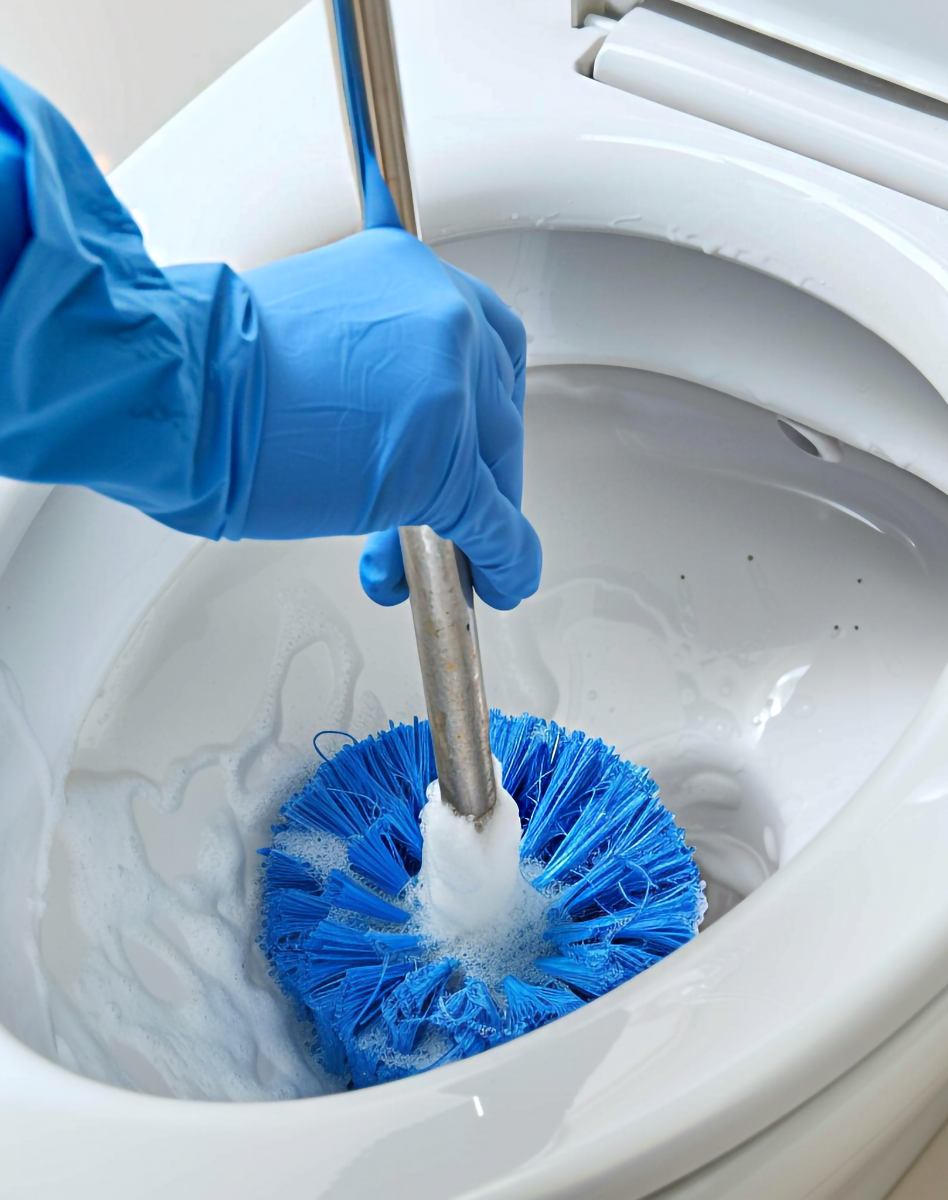
We use toilet brushes in one of the germiest places in our house, but we often forget to clean them. An unclean brush can hold germs and smell bad, so it’s important to clean it regularly. In this guide on how to keep your toilet brush clean, we’ll show you simple ways to disinfect it. You can use natural products like vinegar, borax, and hydrogen peroxide, or chemical cleaners. These tips will help you kill germs and make your toilet brush last longer, keeping your bathroom cleaner and fresher.
How Often Should You Clean a Toilet Brush
Weekly Cleaning Routine
Once a week, it’s a good idea to give your toilet brush a quick clean.
Here’s what you’ll need:
- Warm water
- A few drops of mild dish soap
- A small cleaning brush or sponge
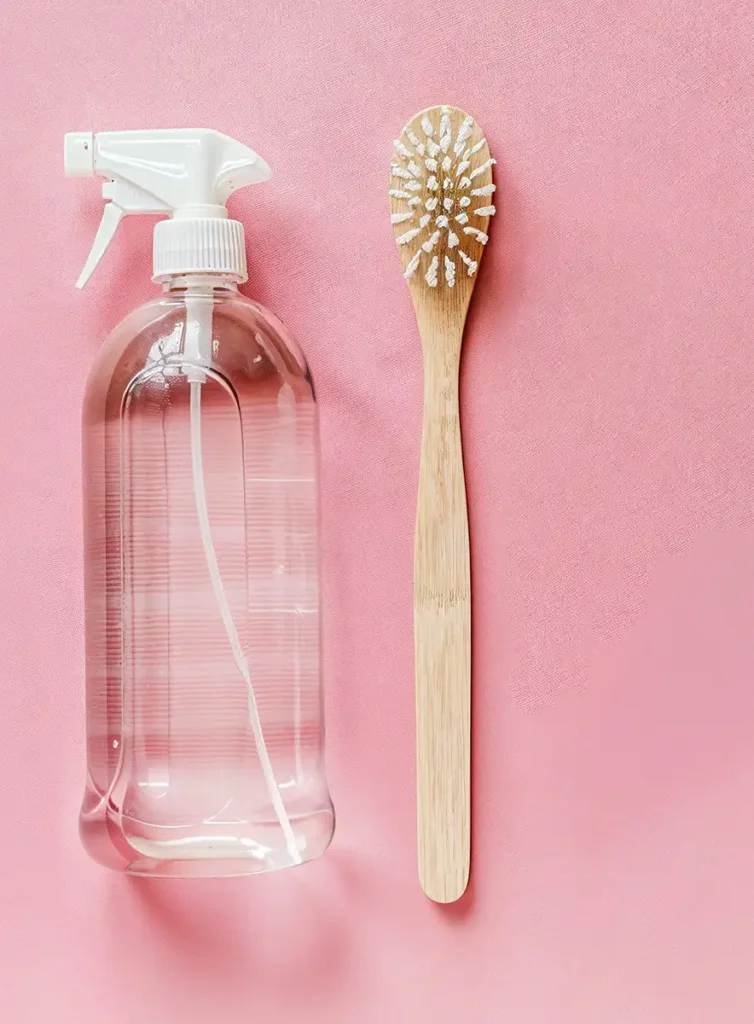
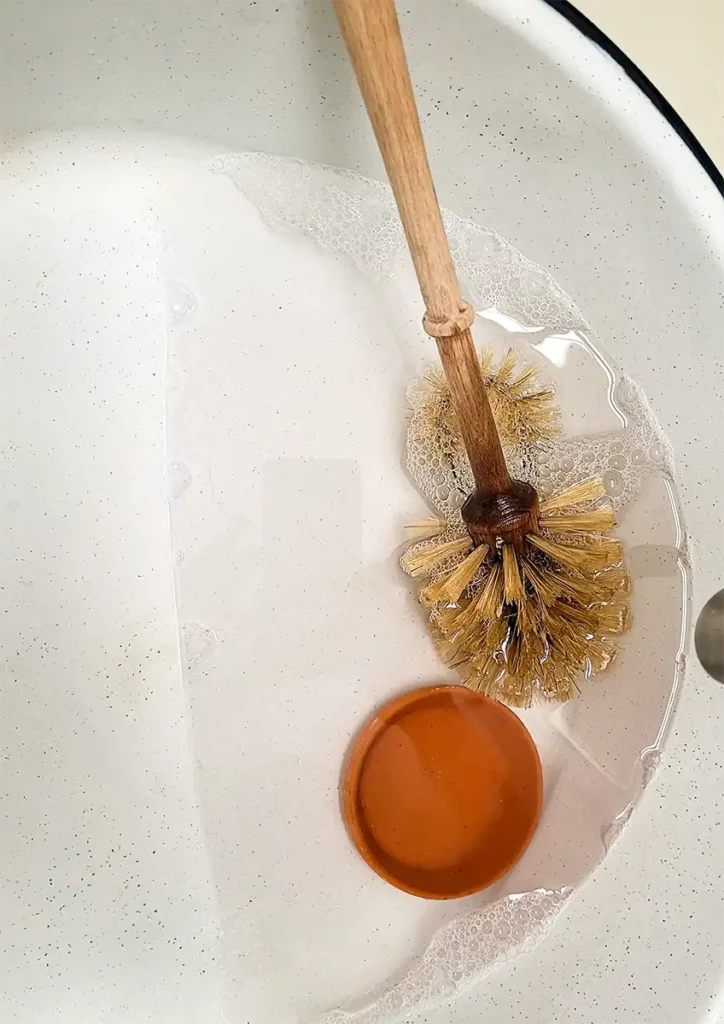
Fill up a bucket or sink with warm water and add the soap. Swirl the toilet brush around, making sure the bristles are fully submerged in the soapy water.
Use the small brush or sponge to scrub the inside and outside of the brush holder too. Rinse both the brush and holder thoroughly with hot water.
Shake off any excess water from the brush and let them air dry completely before putting them back.
Deep Cleaning Monthly
For a deeper clean, you’ll want to use a vinegar or hydrogen peroxide solution and some baking soda once a month. Here’s how:
- Mix equal parts white vinegar or hydrogen peroxide and water in a bucket or container.
- Soak the toilet brush in the vinegar solution for 30 minutes to an hour.
- Remove the brush and sprinkle some baking soda over the bristles.
- Scrub the bristles with your small cleaning brush or sponge to remove any stuck-on grime.
- Clean the brush holder with the vinegar solution, scrubbing it well.
- Rinse everything off with hot water and let the brush and holder air dry in direct sunlight if possible.
Also Read :
- How to Get Rid of Gnats in the Kitchen – Easy to Follow Steps
- How to Wash Throw Pillows – Your Helpful Guide
- 5 Eco Friendly Toilet Bowl Brushes: Transform Your Bathroom!
When to Replace Your Toilet Brush
Even with regular cleaning, toilet brushes don’t last forever.
Look out for these signs that it’s time for a new one:
- Frayed or bent bristles (it won’t clean as well)
- Persistent bad smells, even after cleaning
- Any visible mold or mildew on the brush
Generally, you’ll want to replace a wooden or bamboo toilet brush every 6 to 12 months, depending on how often you use it. If the brush looks really worn out or you’ve had someone sick in the house, replace it sooner.
Proper Storage and Usage
A few tips for keeping your toilet brush as fresh as possible:
- Use a brush holder that keeps the bristles off the bottom and allows air flow.
- Don’t share a holder with toilet bowl cleaner – keep them separate.
- Rinse the brush thoroughly with hot water after each use and let it fully dry before storing.
- Try a vinegar or baking soda soak regularly for extra cleaning power.
- Add a few drops of tea tree or eucalyptus oil to the bristles for a fresh scent.
Go Easy on the Bleach
You can use a very diluted bleach solution occasionally to disinfect the brush holder, but bleach is harsh on brushes if they have wooden handles. Stick to natural disinfectants like vinegar or hydrogen peroxide when possible.

Using Natural Cleaners for Your Toilet Brush
Vinegar is super handy for keeping your toilet brush clean naturally. Just mix equal parts white vinegar and water in a bucket or container.
- Fully submerge that brush and let it soak for 30 minutes.
- Remove the brush and give it a thorough rinse under hot water.
- Let it fully air dry before putting it away.
Baking soda is another great natural option.
- Get the bristles damp with water first.
- Then liberally sprinkle baking soda all over the bristles.
- Use a separate little cleaning brush to really work that baking soda into the bristles and scrub off any grossness.
- Once you’ve scrubbed well, rinse the toilet brush completely under hot water and allow it to air dry.
For a fresh scent, try adding a few drops of tea tree or eucalyptus essential oil to the bristles after cleaning. Gently shake or squeeze the bristles to spread the oil around evenly.
The natural oils deodorize and kill bacteria too.
Quick Cleaning Tips
Always rinse your toilet brush under hot water right after using it to clean the toilet. Give it a good shake to remove excess water and let it air dry before putting it away.
For a deeper clean, you can dip the bristles in some hydrogen peroxide for a few minutes. It naturally disinfects. After dipping, rinse thoroughly under hot water. If possible, allow the brush to finish air drying outdoors in direct sunlight – the UV rays act as an extra sanitizer.
Keep Your Toilet Brush Clean and Dry
The biggest key is avoiding moisture buildup on your brush. Always shake off any excess water after rinsing.
Make sure to let it fully air dry between uses to prevent mold, mildew, and funky odors when stored damp.
Use a brush holder that allows good airflow around the brush – skip enclosed caddies where moisture gets trapped.
Open air drying is ideal. Regularly disinfect using the vinegar soak or hydrogen peroxide dip methods described above.
These natural disinfectants keep it sanitary without harsh chemicals.
Extra Tips from Experts
- Air Dry Your Brush: After cleaning, place the brush between the seat and the bowl to let it air dry for at least an hour. This prevents moisture buildup and reduces the chance of bacteria and mold growth.
- Clean the Holder Regularly: Don’t forget to clean the holder. A dirty holder can harbor bacteria, so clean it with the same solutions you use for the brush.
- Avoid Cleaning in the Sink: Never wash your toilet brush in the sink to avoid spreading bacteria. Use a dedicated cleaning area like a bucket or the toilet bowl.
- Replace Brushes Periodically: Even with proper care, replace your brush every 6 to 12 months, or sooner if it shows signs of wear and tear.