
Have you ever walked into a room and felt instantly calm or energized? That’s the power of color psychology at work. In this guide, we’ll explore how Room Color Psychology work and help you create the perfect atmosphere in your home.
What is Color Psychology?
Color psychology is the study of how colors affect human behavior, emotions, and mental states. It explores how different hues can influence our mood, feelings, and actions.
In home decor, Room Color Psychology helps people choose paint colors and design schemes that create specific atmospheres in rooms.
For example, blue often promotes relaxation, while yellow can boost energy and happiness. Designers and homeowners use this knowledge to pick colors that support the intended function and feeling of each space in a home.
Let’s break down some key aspects:
Emotional Impact of Colors Different colors evoke various emotions and moods:
- Blue: Creates feelings of calmness and peace. It can lower blood pressure and reduce stress.
- Green: Promotes balance and refreshment. Associated with nature and growth.
- Yellow: Boosts energy and happiness. It can increase cheerfulness and appetite.
- Red: Stimulates excitement and passion. May raise heart rate and energy levels.
- Purple: Evokes luxury and creativity. Often linked to royalty and spirituality.
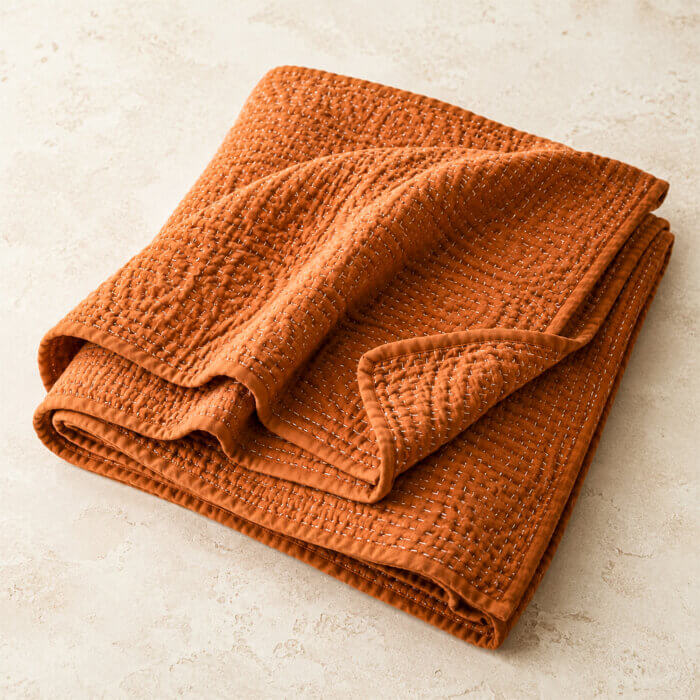
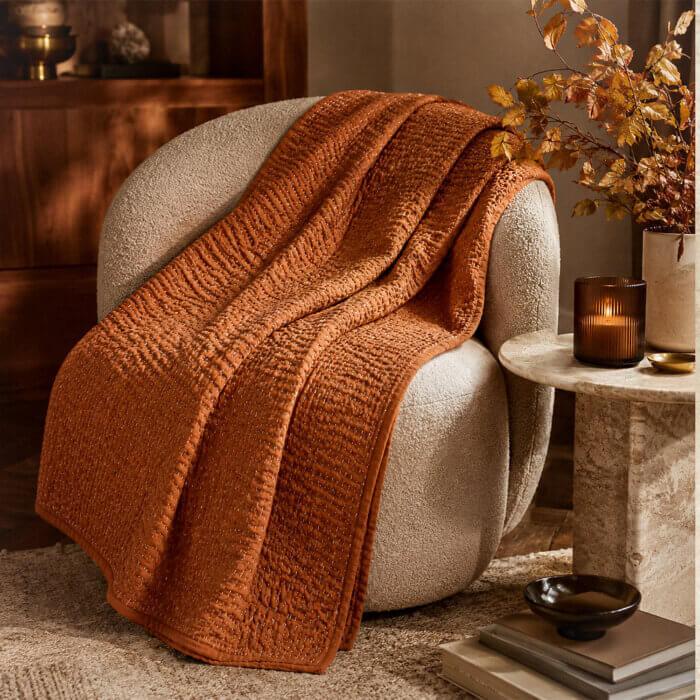
- Orange: Encourages warmth and socialization. Can boost confidence and conversation.
- Pink: Nurtures softness and comfort. May reduce aggression and promote empathy.
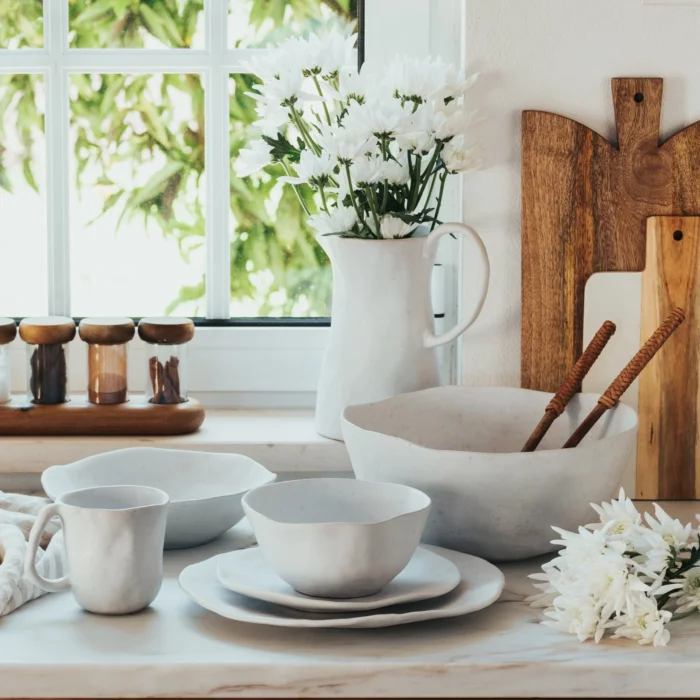
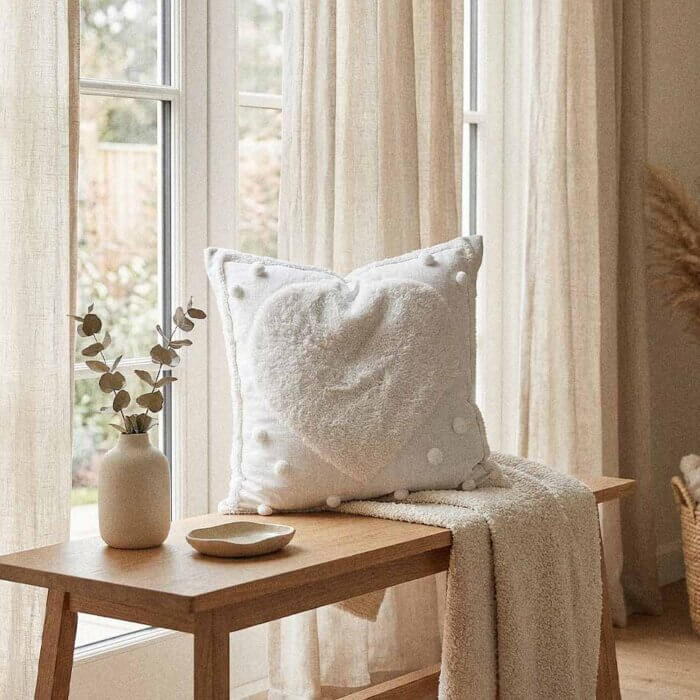
- White: Suggests cleanliness and openness. Can make spaces feel larger and brighter.
- Black: Adds sophistication and mystery. Use sparingly to avoid overwhelming a room.
Color Combinations and Schemes Understanding how colors work together is important:
- Use the color wheel for inspiration
- Consider complementary colors (opposite on the wheel) for vibrant schemes
- Analogous colors (next to each other) create harmonious palettes
- The 60-30-10 rule: 60% dominant color, 30% secondary, 10% accent
Room-Specific Color Choices Different rooms benefit from specific color choices:
- Bedrooms: Soft blues, greens, or lavenders for relaxation
- Living rooms: Warm neutrals or energizing yellows for socializing
- Kitchens: Appetizing colors like yellow or soft orange
- Home offices: Focus-enhancing greens or blues
- Bathrooms: Calming blues or refreshing greens
Choose the Right Room Color to Affect Your Mood
Room color choice plays a big role in setting the mood of your space. Here’s how to pick colors that create the feeling you want:
- Think about the room’s purpose
- Bedrooms: Calm colors like soft blue or green for rest
- Living rooms: Warm tones like yellow or orange for socializing
- Home offices: Focus-boosting colors like light green or pale blue
- Consider natural light
- North-facing rooms: Warm colors to balance cool light
- South-facing rooms: Cool colors to balance warm light
- Test paint samples
- Paint large swatches on different walls
- Look at them during different times of day
- Use the color wheel
- Complementary colors (opposite on the wheel) create energy
- Analogous colors (next to each other) create harmony
- Think about color intensity
- Bright colors energize
- Soft colors calm
Utilizing Color Psychology in Bedroom Decor
Your bedroom should be a peaceful place.
Here’s how to use color psychology to create a relaxing space:
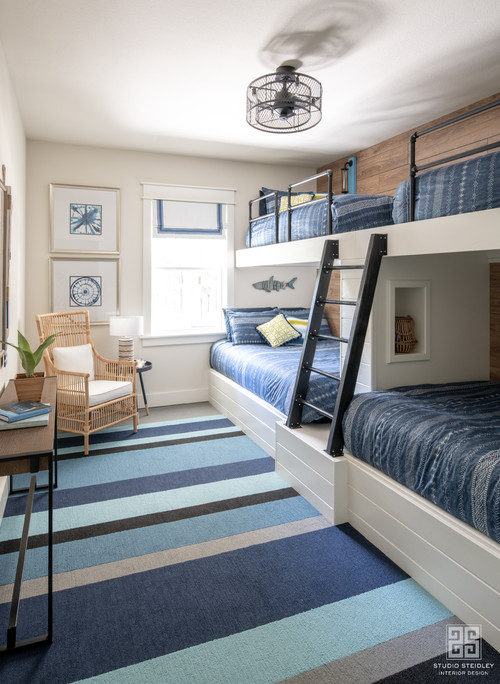
- Calming blues
- Light blue lowers blood pressure and heart rate
- Creates a sense of sky and water
- Pairs well with white for a clean look
- Restful greens
- Mimics nature, promoting balance
- Sage green is particularly soothing
- Mix with natural wood tones
- Soft lavenders
- Combines calming blue and creative purple
- Promotes relaxation without being too cold
- Works well with gray accents
- Warm neutrals
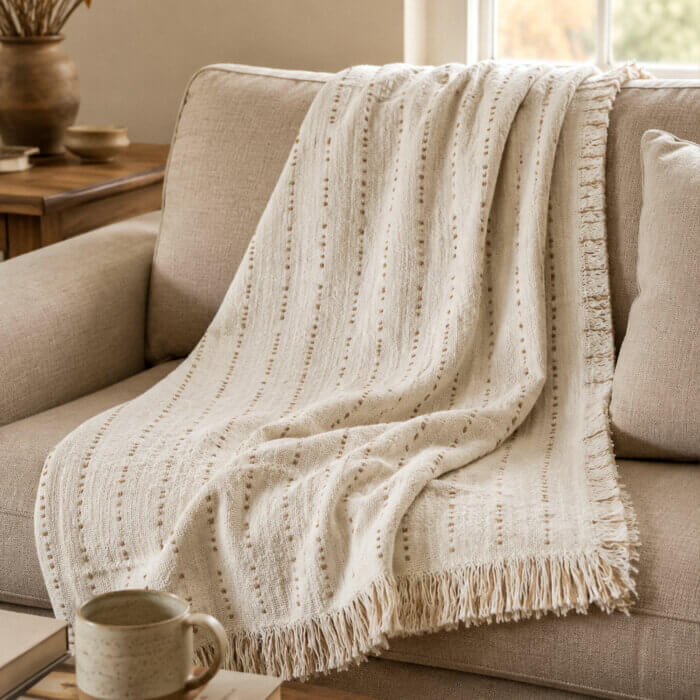
- Beige and light brown create coziness
- Add depth with different shades and textures
- Use with white for a fresh feel
- Pale pinks
- Creates a nurturing, comforting atmosphere
- Good for children’s rooms or anyone who likes a soft touch
- Balance with cooler tones to avoid being too sweet
Tips for bedroom color use:
- Paint the ceiling a lighter shade for an open feeling
- Use darker tones for accent walls to add depth
- Include pops of energizing colors in easy-to-change items like pillows or artwork
Different Color Influences in Home Decor
Colors shape how we feel in our homes. Let’s explore how various hues affect different rooms:
The Calming Effects of Warm Colors in Home Decor
Warm colors like Orange and Yellow create cozy, welcoming spaces. They work well in:
- Living Room: Promotes friendly conversation
- Entryway: Gives a warm first impression
- Dining Room: Creates a relaxed mood for meals
Tips for using warm colors:
- Paint Walls a soft orange for a subtle glow
- Add Yellow accents through pillows or artwork
- Use warm-toned wood to enhance the effect
Stimulate Your Space with Bright Yellow Hues
Yellow boosts Energy and Cheerfulness. It’s ideal for:
- Kitchen: Can increase Appetite and create a happy cooking space
- Home Office: Enhances Focus and Creativity
- Work Out Room: Energizes and motivates
How to use Yellow effectively:
- Paint an Accent Color wall bright yellow
- Use yellow curtains to mimic sunlight
- Add yellow dishes in the Kitchen for a sunny feel
Create a Serene Atmosphere with Soft Pink Tones
Pink creates a nurturing, calming environment. It’s perfect for:
- Nursery: Promotes comfort for Babies
- Spa Bathrooms: Creates a relaxing atmosphere
- Bedroom: Encourages restful Sleep and peaceful mornings
Ways to incorporate Pink:
- Paint Walls a light blush for an all-over soothing effect
- Use pink towels in the Bathroom
- Add pink throw pillows to a neutral Bedroom
Boost Energy Levels with Vibrant Red Room Accents
Red adds excitement and Energy to a space. It works well as an Accent Color in:
- Home gym: Increases motivation
- Dining Room: Can stimulate Appetite and Conversation
- Living Room: Adds a bold, dramatic touch
How to use Red without overwhelming:
- Paint a single Accent Wall red
- Add red throw pillows to a neutral Room
- Use red picture frames as small Color pops
Practical Tips for Choosing the Right Colors for Each Room
Here’s how to pick the best colors for different spaces in your house:
Optimize Productivity with a Well-Chosen Home Office Color
For your Home Office, try:
- Green: Boosts Focus and Creativity
- Blue: Promotes Calmness and Stability
- White: Creates a clean, distraction-free space
Tips:
- Paint one Accent Wall in a bold shade
- Use Color pops in office supplies or artwork
- Balance energizing hues with neutral tones
Enhancing Dining Rooms with Inviting Color Schemes
For the Dining Room, consider:
- Red: Stimulates Appetite and Conversation
- Orange: Creates a warm, welcoming atmosphere
- Yellow: Adds Cheerfulness to meal times
Ideas:
- Use rich, deep tones for a luxurious feel
- Add a colorful rug under the dining table
- Paint the ceiling a complementary Color for interest
Create Relaxing Vibes in the Bedroom with Cool Blue Tones
For Bedrooms, Blue is ideal:
- Light Blue: Lowers Blood Pressure and Heart Rate
- Navy: Adds depth and coziness
- Aqua: Creates a refreshing, spa-like atmosphere
Suggestions:
- Pair Blue with White for a clean, airy feel
- Use different Blue tones in bedding and curtains
- Add warm wood accents to balance cool Blues
Use Neutral Colors for a Timeless and Elegant Home Decor
Neutral colors work well in any Room:
- White: Makes spaces feel larger and brighter
- Beige: Adds warmth and versatility
- Gray: Provides a modern, sophisticated backdrop
How to use neutrals:
- Layer different shades and Textures for depth
- Use neutral Walls as a backdrop for colorful art or furniture
- Add metallic accents for a touch of Glam
Expert Advice on Creating the Perfect Color Palette for Your Home
Creating a harmonious color scheme can transform your house into a home. Here’s what Interior Designers recommend:
- Start with a base neutral color
- Add 1-2 accent colors
- Use the 60-30-10 rule: 60% dominant color, 30% secondary, 10% accent
- Consider the flow between Rooms
- Don’t forget about Undertone Colors
The Psychological Impact of Different Colors
Colors can significantly affect our mood and behavior:
- Blue: Promotes Calmness and reduces stress
- Green: Encourages balance and refreshment
- Yellow: Boosts Cheerfulness and Energy
- Red: Increases excitement and stimulates Appetite
- Purple: Sparks Creativity and luxury feelings
- Orange: Promotes warmth and socialization
- Pink: Nurtures softness and reduces Aggression
- White: Suggests cleanliness and openness
- Black: Adds sophistication and mystery
Choose Colors Based on the Mood You Want to Create
Think about how you want to feel in each Room:
- For relaxation: Cool colors like Blue, Green, or Purple
- For Energy: Warm colors like Yellow, Orange, or Red
- For Focus: Neutrals with Blue or Green accents
- For Creativity: Purple or Yellow tones
Use Natural Light to Enhance Room Color Effectiveness
Natural light can significantly impact how Colors look:
- North-facing Rooms: Receive cool light, benefit from warm Colors
- South-facing Rooms: Get plenty of warm light, can handle cool tones
- East-facing Rooms: Morning light is warm, afternoon is cool
- West-facing Rooms: Afternoon light is warm and intense
Tips:
- Test paint samples at different times of day
- Use light-reflecting paints in dark Rooms
- Consider how artificial lighting will affect your Color choices