
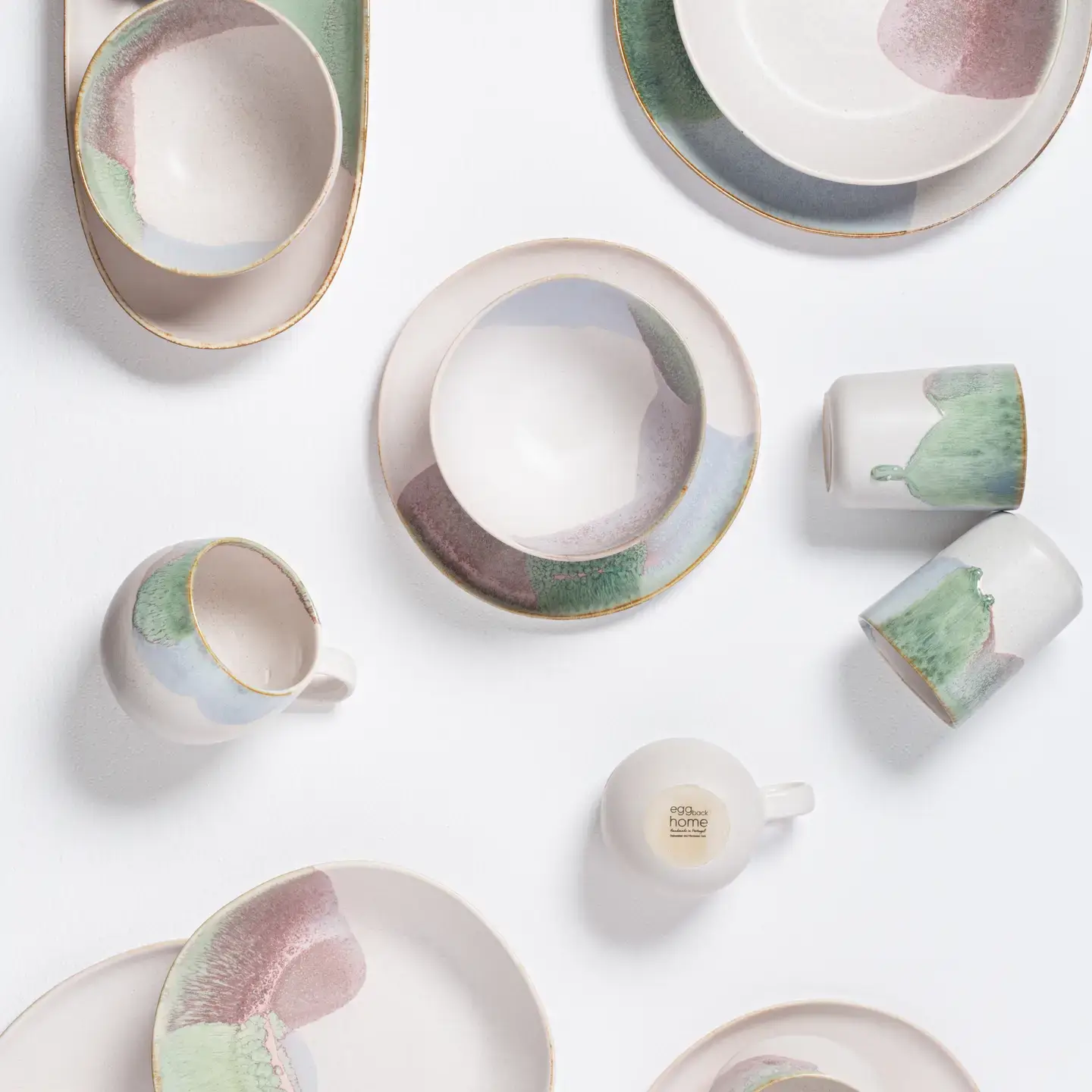
Are you torn between elegant place settings and practical everyday dishes? Let’s explore formal and casual ceramic dinnerware to help you set the perfect table for your lifestyle.

Formal vs. Casual Ceramic Dinnerware: What’s the Difference?
Formal ceramic dinnerware:
- Often white or ivory
- Delicate designs
- Fine, thin materials
- Special occasion use
Casual ceramic dinnerware:
- Colorful patterns
- Thicker, sturdier build
- Everyday use
- Dishwasher-safe
Shop Casual Dinnerware


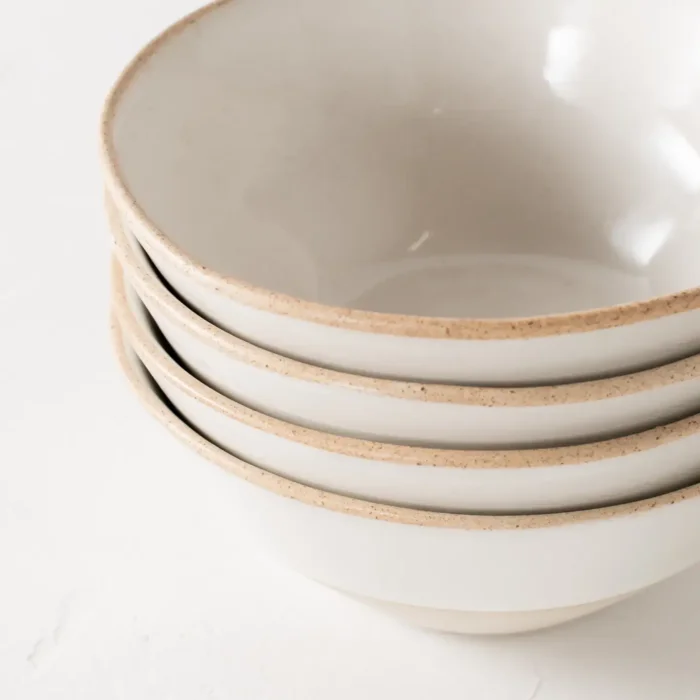
Formal Ceramic Dinnerware
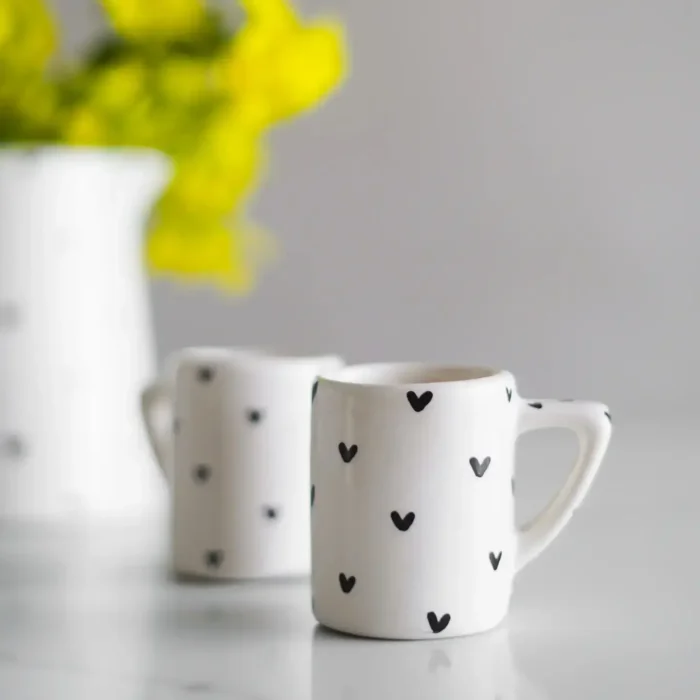
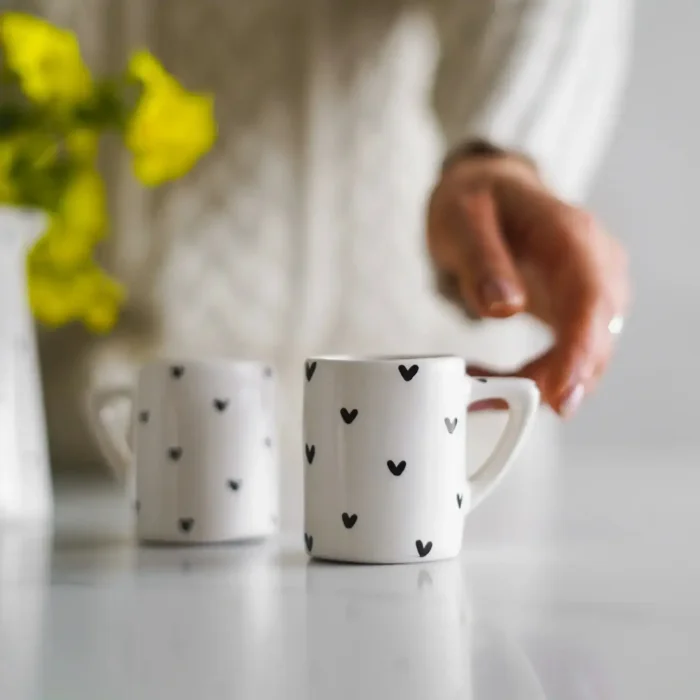
Formal dinnerware adds sophistication to special meals.
Key features include:
- Materials: Bone china, fine porcelain, or fine china
- Design: Gold or platinum trim, intricate patterns
- Use: Holidays, anniversaries, fancy dinner parties
- Care: Often requires hand-washing
Popular brands: Wedgwood, Lenox, Noritake
Price range: $100-$500+ per 5-piece place setting
A significant portion of Americans own formal dinnerware, often inherited or acquired for special occasions. This ownership trend persists despite shifts in lifestyle and preferences among younger generations. Formal dinnerware, including fine china, is frequently passed down through families, contributing to its widespread presence in households.
Cultural and Market Trends
The global tableware market was valued at $42.52 billion in 2019 and is expected to grow at a compound annual growth rate (CAGR) of 6.0%. This growth is driven by factors such as economic development, rising disposable incomes, increasing urbanization, the expanding residential sector, and demand from the hospitality industry.
Generational Shifts
Despite high ownership rates, there is a noticeable shift in how different generations value and use formal dinnerware. Many younger Americans prefer practical, everyday dinnerware over traditional fine china, which they often find outdated and impractical for their lifestyles. This has led to an increase in formal dinnerware appearing in secondhand markets as younger people opt to sell or donate inherited sets.
Casual Ceramic Dinnerware
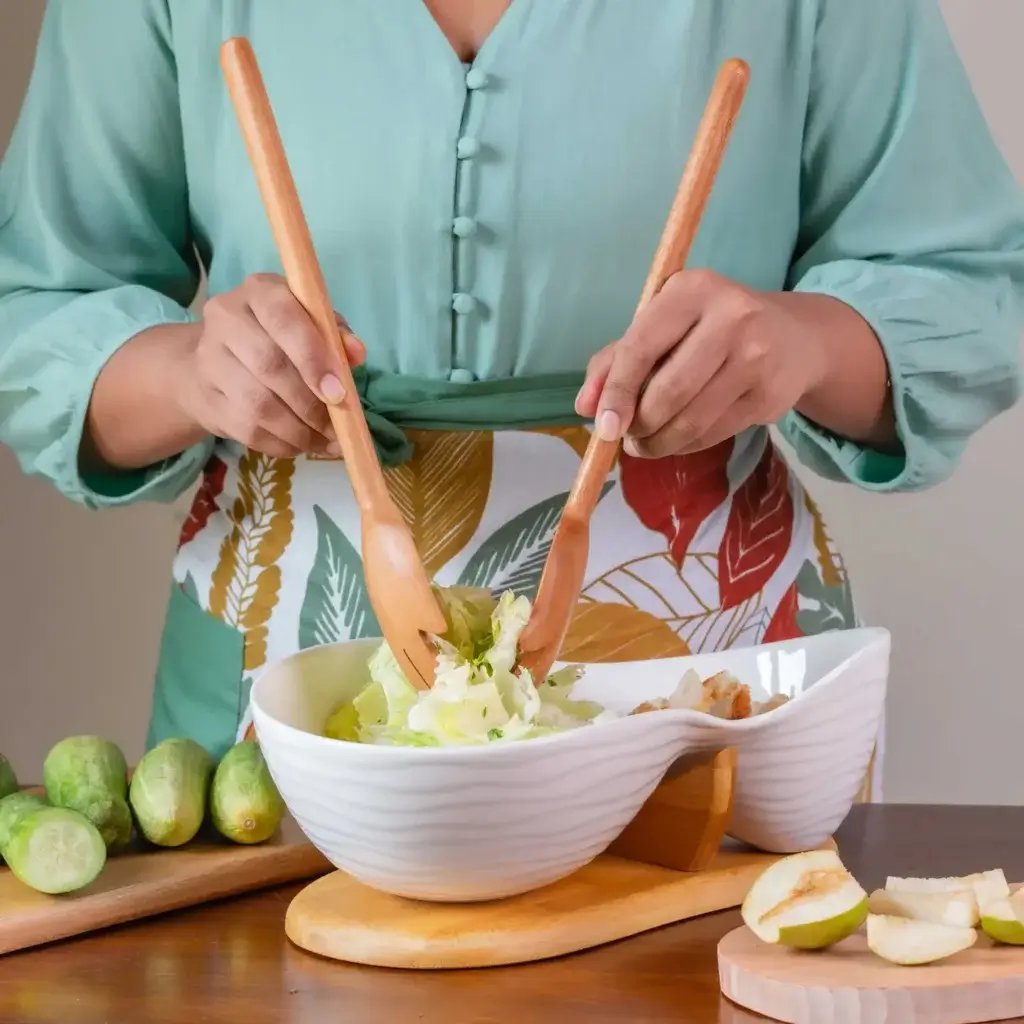
Casual dinnerware fits relaxed, daily dining.
Notable traits:
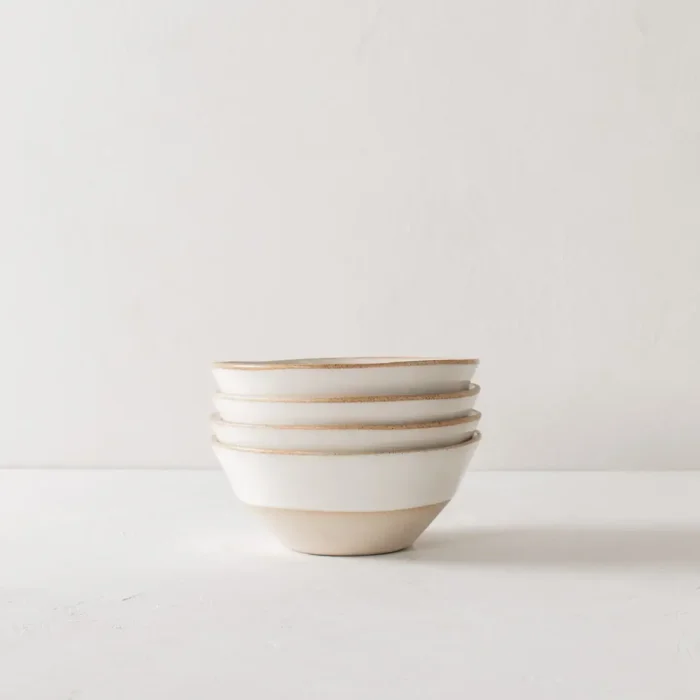
- Materials: Stoneware, earthenware, or melamine
- Design: Bold colors, fun patterns, mix-and-match options
- Use: Family meals, barbecues, casual get-togethers
- Care: Often dishwasher and microwave safe
Top brands: Fiesta, Corelle, Pfaltzgraff
Price range: $50-$200 for a 16-piece set
Casual dinnerware has become the predominant choice for everyday use in most households, reflecting changing lifestyle preferences and dining habits.
Key findings:
- A survey cited by Gifts and Decorative Accessories found that 79% of respondents described their dinnerware style as “casual comfort,” highlighting a preference for relaxed and informal dining settings.
Reasons for popularity:
- Versatility and ease of use
- Alignment with current lifestyle trends
- Suitability for both indoor and outdoor dining
- Durability and practicality, especially for families and casual gatherings
Market trends:
Increasing popularity of melamine dinnerware sets, known for their durability and resistance to breakage
Growing interest in mixed materials and colors
Designs that blend indoor and outdoor living
How to Choose between Formal and Casual Ceramic Dinnerware?
- Lifestyle: Formal dinner parties or casual family meals?
- Storage: Formal sets need more space and careful storage.
- Care: Are you willing to hand-wash dishes?
- Budget: Casual sets offer more value for everyday use.
- Personal style: Classic elegance or modern, bold designs?
Dr. Emily Chen, interior design professor at NYU, advises: “Choose dinnerware that reflects your personality and complements your home’s decor. It’s an extension of your personal style.”
Global Perspectives on Dinnerware
While this guide focuses on Western dining customs, many cultures have unique tableware traditions:
- Japan: Individual dishes for each food item
- India: Thali plates with multiple compartments
- Middle East: Large, shared platters for communal dining
Understanding these differences can inspire creative table settings and foster cultural appreciation.
Sustainability in Dinnerware Choices
Eco-conscious consumers are driving change in the dinnerware industry.
Consider these options:
- Locally made ceramics (reduces transportation emissions)
- Recycled materials (saves resources)
- Durable options (less frequent replacements)
- Lead free, cadmium free ceramics
Example: Newly Ceramics uses 100% recycled materials, saving over 5,000 tons of ceramic waste annually.
Care Tips for Long-Lasting Dinnerware
Formal:
- Hand wash with mild soap
- Avoid sudden temperature changes
- Use felt separators for storage
Casual:
- Check if dishwasher-safe
- Avoid harsh scrubbers on decorated surfaces
- Stack carefully to prevent chips
Also Read >> How to Care For Ceramic Tableware: A complete Guide
2024 Dinnerware Trends
- Handcrafted look: Unique, artisanal styles
- Earth tones: Warm, natural colors
- Mix-and-match: Eclectic table settings
- Sustainability: Eco-friendly materials and production
According to market insights, plates and bowls increased in 32.5 % sales of handcrafted-style dinnerware in the past year.
Choosing between formal and casual ceramic dinnerware isn’t just about plates – it’s about your lifestyle and how you enjoy meals with loved ones. Whether you opt for elegant formal settings, versatile casual pieces, or a mix of both, the key is selecting dinnerware that makes you happy when you set the table.
Remember, there’s no rule against having both types. Many homes benefit from formal dinnerware for special occasions and casual sets for everyday use. Whatever you choose, may your meals be delicious and your gatherings joyful!



&url=https://www.elfinview.com/formal-vs-casual-ceramic-dinnerware/&media=https://www.elfinview.com/wp-content/uploads/2024/08/black-and-white-handmade-ceramic-mug-set-1024x1024.webp)
&url=https://www.elfinview.com/formal-vs-casual-ceramic-dinnerware/&media=https://www.elfinview.com/wp-content/uploads/2024/07/lead-free-dinnerware-1024x1024.webp)
&url=https://www.elfinview.com/formal-vs-casual-ceramic-dinnerware/&media=https://www.elfinview.com/wp-content/uploads/2024/05/Stoneware-bowl-1024x1024.webp)
&url=https://www.elfinview.com/formal-vs-casual-ceramic-dinnerware/&media=https://www.elfinview.com/wp-content/uploads/2026/08/Kantha-throw-blanket-1024x1024.jpg)
&url=https://www.elfinview.com/formal-vs-casual-ceramic-dinnerware/&media=https://www.elfinview.com/wp-content/uploads/2026/08/lightweight-cotton-throw-blanket-cream-1024x1024.jpg)
&url=https://www.elfinview.com/formal-vs-casual-ceramic-dinnerware/&media=https://www.elfinview.com/wp-content/uploads/2024/09/organic-stoneware-dinnerware-1024x1024.webp)
&url=https://www.elfinview.com/formal-vs-casual-ceramic-dinnerware/&media=https://www.elfinview.com/wp-content/uploads/2026/05/18-x-18-Pillow-Cover.jpg)
&url=https://www.elfinview.com/formal-vs-casual-ceramic-dinnerware/&media=https://www.elfinview.com/wp-content/uploads/2026/05/Mocha-Cable-Knit-Alpaca-Throw.webp)
&url=https://www.elfinview.com/formal-vs-casual-ceramic-dinnerware/&media=https://www.elfinview.com/wp-content/uploads/2026/05/Cozy-rust-cotton-throw-blanket.jpg)