Popcorn ceilings were all the rage in homes built from the 1950s to the 1980s. I’ve lived with these textured ceilings for years, and let me tell you, they’re dust magnets. But don’t worry – I’ve learned a thing or two about keeping them clean.
In this guide, I’ll share my tried-and-true methods for cleaning popcorn ceilings. From basic dusting to tackling tough stains, I’ve got you covered. I’ll walk you through each step, sharing what’s worked for me and what to avoid.
Whether you’re a fellow popcorn ceiling owner or just curious, you’ll find practical tips to keep your ceilings looking fresh.
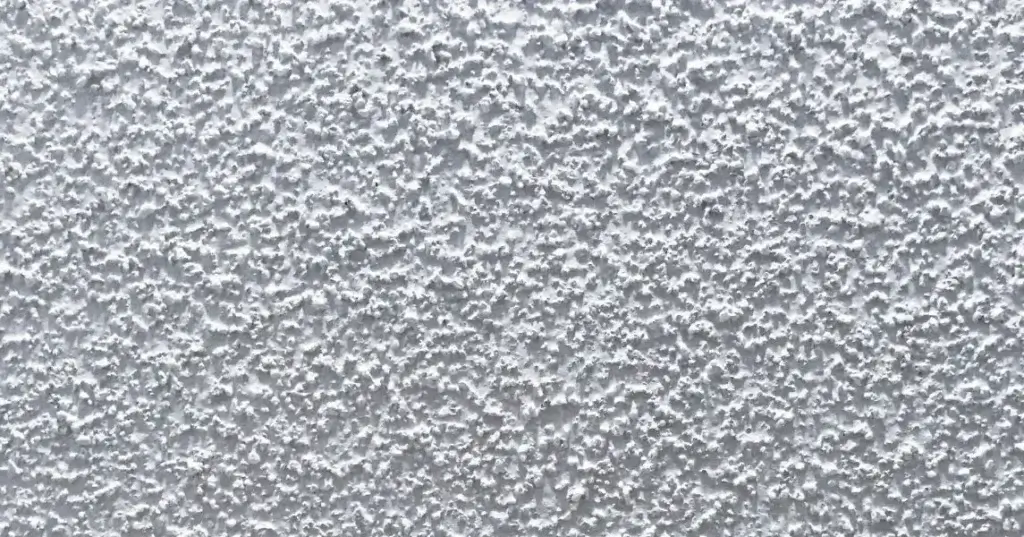
When I first moved into my home, I was baffled by the textured ceilings. I quickly learned that these surfaces, sometimes called acoustic ceilings, stucco ceilings, or cottage cheese ceilings, are created by spraying a mixture of paint and small styrofoam or stucco particles onto the ceiling. The bumpy texture not only adds visual interest but also helps absorb sound and hide imperfections.
However, I soon discovered that this texture makes popcorn ceilings more challenging to clean than smooth ceilings. The uneven surface easily traps dust and spider webs, and can even absorb odors over time. In my kitchen, I noticed yellowish stains developing over the years. Understanding these characteristics helped me approach the cleaning process with the right mindset and tools.
Also Read>> Natural Cleaning Products: A Beginner’s Guide to Eco-Friendly Home Care
General Cleaning Tips
Before I share the specific methods I’ve used, here are some general tips I’ve learned the hard way:
- Always test your chosen cleaning method on a small, hidden area first. I once ruined a section of my living room ceiling by using a harsh cleaner without testing it first.
- Work in small sections, no larger than 4×4 feet. I learned this after oversaturating a large area and causing water damage.
- Be gentle. The textured surface of popcorn ceilings is delicate. I’ve accidentally rubbed off the texture in spots by scrubbing too hard.
- If your ceiling was installed before 1980, it might contain asbestos. I had mine tested before attempting any cleaning, for peace of mind.
- Ensure proper ventilation. I always open windows and use fans to help with drying and to disperse cleaning fumes.
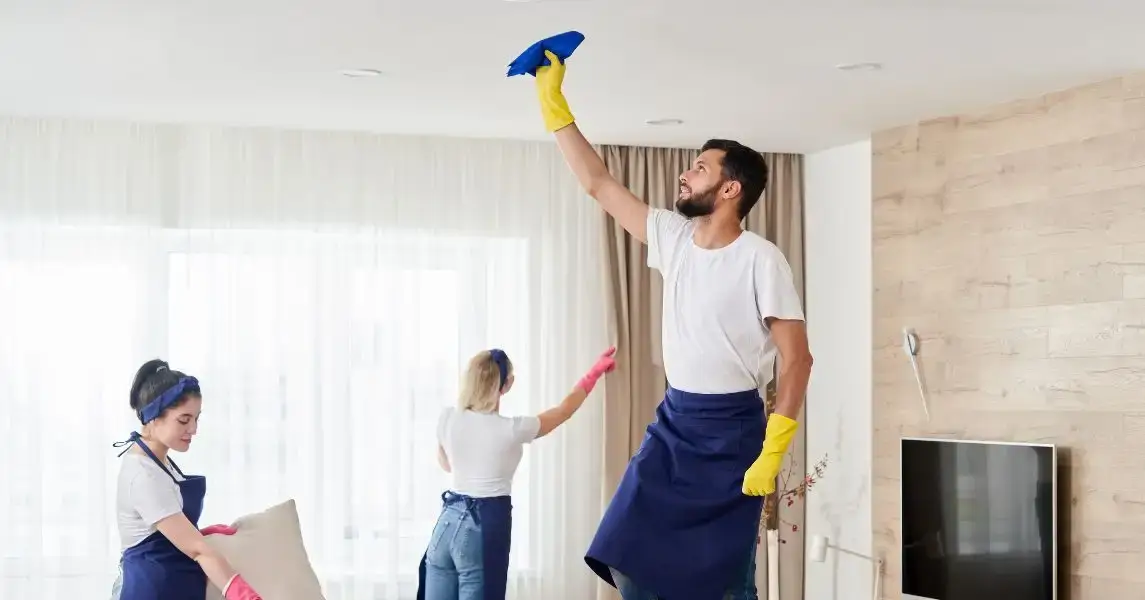
- Use a sturdy ladder or an extension pole. After a near-fall trying to clean while standing on a chair, I invested in proper equipment.
Basic Cleaning Method
For light cleaning or regular maintenance, here’s what I do:
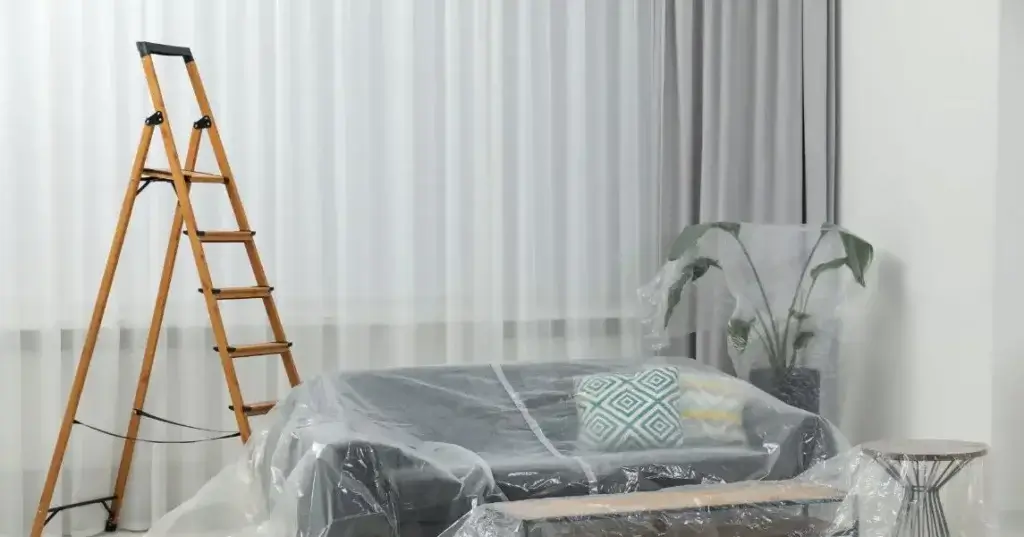
- I cover the floor and furniture with plastic sheets or drop cloths.
- Using a vacuum cleaner with a soft brush attachment, I gently remove loose dust and cobwebs. I move the brush in one direction to avoid dislodging the texture.
- For light cleaning, I use a dry sponge or microfiber cloth attached to an extension pole, wiping gently in one direction.
- If I need deeper cleaning, I lightly dampen a sponge with water and a small amount of mild detergent. I gently dab the ceiling, never scrubbing.
- For stubborn stains, I create a solution of one part bleach to five parts water in a spray bottle. I lightly mist the stained area and dab gently with a clean, damp cloth.
- I always allow the ceiling to dry completely before removing the protective coverings from my furniture and floor.
Also Read>> Cleaning Popcorn Ceilings: Ultimate 2024 Guide with Proven Tips from Years of Experience
Dry Foam Cleaning
I love this method for minimizing moisture exposure:
- I purchase a special dry foam cleaner designed for textured ceilings from my local hardware store.
- Using a sponge or roller attached to an extension pole, I apply the foam to the ceiling.
- I allow the foam to sit briefly, following the product instructions.
- With a clean, dry cloth, I gently wipe away the foam. It’s satisfying to see how much dirt it absorbs!
Rolling Method
When I need a more thorough clean but still want to minimize moisture, I use this method:
- In a bucket, I mix warm water with a small amount of mild dish soap.
- I dip a paint roller with a thick nap (at least 3/4 inch) into the cleaning solution.
- After wringing out the roller thoroughly, I gently roll it across the ceiling, working in small sections and rinsing frequently.
- I follow immediately with a dry roller to absorb excess moisture and lifted dirt.
- I make sure to change my water frequently to avoid redepositing dirt onto the ceiling.
Fabric Softener Solution
This is my go-to method when I want to freshen up the ceiling:
- In a spray bottle, I mix one part liquid fabric softener with four parts warm water.
- I lightly spray the solution onto a small section of the ceiling, being careful not to oversaturate.
- After allowing the solution to sit for about 15 minutes, I gently wipe the area with a damp sponge or soft cloth.
- I follow up with a clean, damp cloth to remove any residue.
- I always allow the area to dry completely before moving on to the next section.
Vinegar Cleaning
I’ve found vinegar particularly effective for tackling odors and mild mildew:
- In a spray bottle, I mix equal parts white vinegar and warm water.
- I lightly mist a small section of the ceiling with the solution.
- After letting it sit for a few minutes, I dab gently with a soft sponge or microfiber cloth.
- I rinse my sponge or cloth frequently in clean water to avoid spreading dirt.
- Using a separate, dry cloth, I gently pat the area to absorb excess moisture.
Peroxide Method
When I’m dealing with tough stains, I turn to hydrogen peroxide:
- In a spray bottle, I mix equal parts 3% hydrogen peroxide and warm water.
- I always protect myself by wearing gloves and safety goggles.
- I lightly spray the solution on a small area of the ceiling and let it sit for about 10-15 minutes.
- Using a soft sponge or microfiber cloth, I gently dab the area.
- I remove any residue with a clean, damp cloth.
- Finally, I pat the area dry with a clean towel or allow it to air dry completely.
I love this method because it’s effective at removing stains and disinfecting, it can brighten dingy areas, and it’s gentler than many harsher chemicals.
Combined Cleaning Approach
For really tough jobs, I’ve found combining methods works best:
- I start with the Fabric Softener Method to gently loosen dirt and dust.
- Then, I follow with the Peroxide Method for any remaining stains.
- If odors or mildew persist, I finish with the Vinegar Method.
I never mix cleaning solutions directly, and I always allow the ceiling to dry completely between methods.
Safety Precautions
Safety is my top priority when cleaning popcorn ceilings:
- I always wear protective goggles and gloves, especially when using chemical solutions.
- I ensure good ventilation by opening windows and using fans.
- I use a sturdy ladder or extension pole to reach the ceiling safely. After my chair incident, I never stand on furniture!
- For ceilings installed before 1980, I recommend professional testing for asbestos before cleaning.
- When dealing with severe stains, extensive mold, or if I’m unsure about the process, I don’t hesitate to call in professionals.
What I’ve Learned from Years of Cleaning
After trying all these methods multiple times, here’s what I’ve learned:
- Patience pays off. Rushing once led me to damage a section of ceiling that I had to repair.
- Less moisture is better. I’ve had the best results using methods that minimize water use.
- Good lighting is essential. I use a strong, angled light to better see dirt and stains on the textured surface.
- Seasonal changes matter. I’ve noticed that humidity levels can impact how the ceiling responds to cleaning, so I’m always aware of the weather.
- Prevention is easier than cure. Regular dusting with a soft-bristled brush has significantly reduced my need for deep cleaning.
- Every ceiling is unique. What works best in my living room isn’t always ideal for my kitchen ceiling, due to differences in texture, paint, and environmental factors.
Maintaining Your Popcorn Ceiling
Between deep cleanings, I maintain my popcorn ceiling by:
- Dusting regularly with a soft-bristled brush attached to an extension pole.
- Addressing spills or stains immediately to prevent them from setting.
- Controlling humidity in my home to prevent mold growth.
- Using an air purifier to reduce airborne particles that can settle on the ceiling.
When to Consider Professional Help
While I enjoy DIY projects, there are times when I’ve called in the professionals:
- When I suspected my ceiling might contain asbestos.
- After discovering extensive mold growth in a poorly ventilated bathroom.
- For cleaning the cathedral ceiling in my living room, which was too high for me to reach safely.
- When a failed cleaning attempt caused some damage to the texture.
- When I considered removing the popcorn texture altogether.
Cleaning popcorn ceilings has been a learning experience for me. By understanding the nature of these textured surfaces and employing the right techniques, I’ve been able to maintain the appearance and integrity of my ceilings. Remember, safety should always come first, and there’s no shame in seeking professional help when needed. With regular maintenance and careful cleaning, your popcorn ceiling can continue to add character to your home for years to come, just as mine has.