Think about the ultimate living space.
A spot where you kick back after a day’s grind, surrounded by pieces that tell a story.
Now, imagine those stories were about a better planet.
That’s why we’re vibing with Sustainable Interior.
What’s Sustainable Interior Design?
Sustainable interior design is a thoughtful approach to transforming living spaces, focusing on environmental preservation and enhancing occupant health.
It involves selecting eco-friendly materials and employing practices that aim to reduce the ecological footprint of decorating indoor areas.
Key aspects include:
- Material Selection: Opt for materials that are sustainable, renewable, or recycled, aiming for minimal environmental harm. Choices include eco-friendly paints, wood from sustainable forests, and recycled metals or plastics.
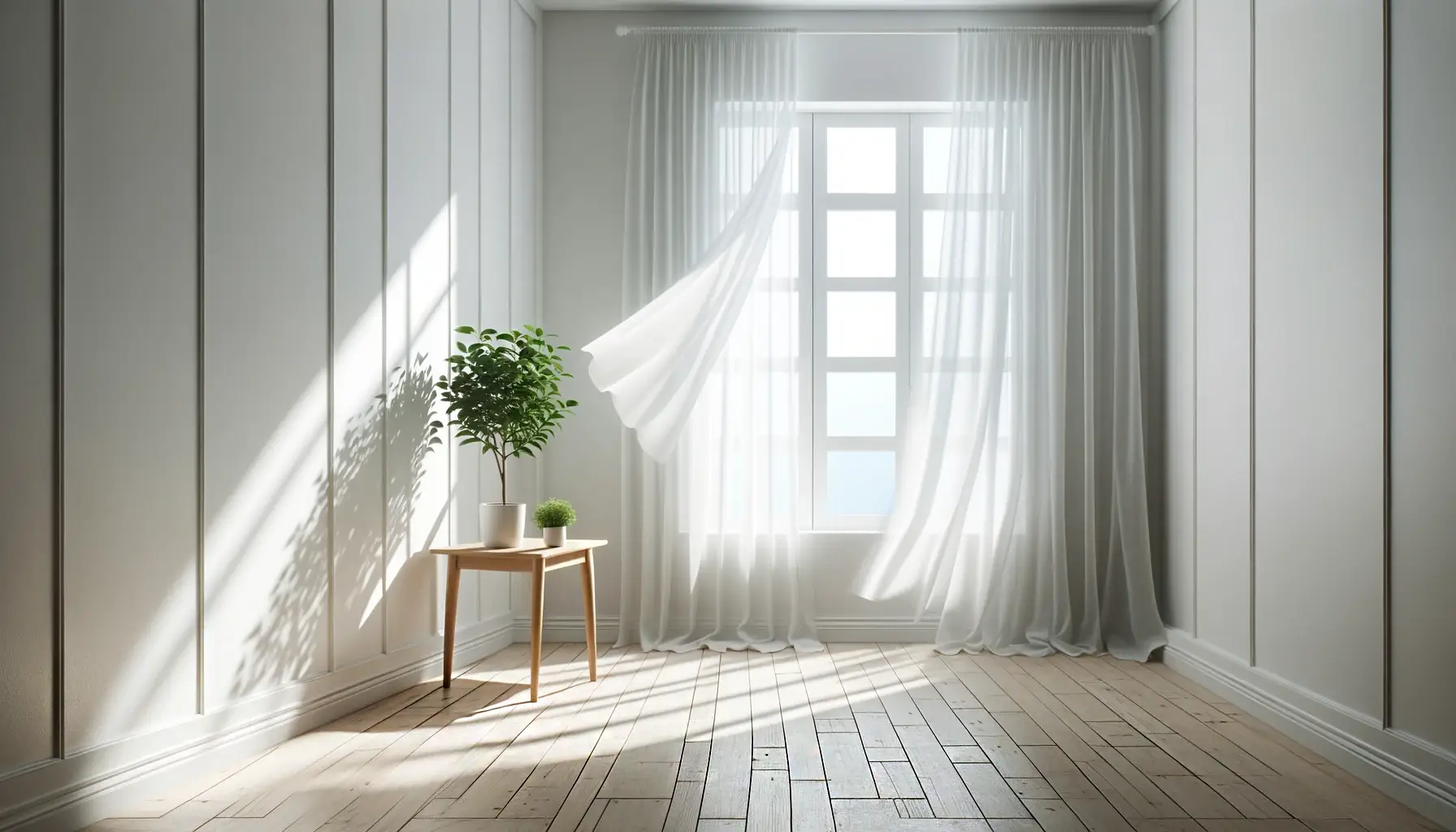
- Energy Efficiency: Design with a focus on natural light and ventilation to cut down on artificial climate control and lighting. Incorporate energy-saving appliances and lighting to further reduce consumption.
- Water Conservation: Adopt fixtures and systems like low-flow faucets and toilets to significantly lower water use, safeguarding this essential resource.
- Quality and Durability: Invest in items known for their longevity. Durable selections mean less frequent replacements and, consequently, reduced waste.
- Local Sourcing: Prioritize materials and products from local suppliers to minimize carbon emissions from transportation and bolster the local economy.
- Health and Wellbeing: Create spaces that foster both physical and mental health. Use natural materials, maximize exposure to natural light, and add plants to cleanse the air.
Materials
Sustainable design is selective with its materials, steering clear of those that damage the environment in favor of renewable, recyclable, and simply remarkable options.
We’re moving away from environmentally harmful materials, embracing those with a past life such as reclaimed wood and recycled metal. Bamboo stands out as a sustainable design go-to, known for its rapid growth, renewability, and chic appeal.
Sustainable Interior Design for 2024: It’s More Than Just Aesthetic: The essence of sustainable design transcends the materials used.
It’s also about longevity and functionality in our living spaces. Choosing durable items means opting for quality that lasts, ensuring that stylish chair remains a companion for countless Netflix sessions, prioritizing quality over quantity.

Eco-Innovations:
The world of design is ripe with eco-friendly innovations, making sustainable choices more accessible. From energy-saving lights to furniture crafted from upcycled materials, the possibilities are boundless. It’s as if the universe is encouraging us to both look and do good.
At its heart, sustainable interior design is an ode to the Earth, blending style with meaningful substance. It’s where fashion and function converge, sprinkled with eco-awareness.
This approach isn’t just about creating aesthetically pleasing spaces but about forging environments that reflect a commitment to our planet’s wellbeing.

Green Design Vs Sustainable Design:
Imagine you’re in a chic, environmentally-conscious cafe, surrounded by conversations about eco-friendly living.
You hear talk about ‘green’ and ‘sustainable’ designs—terms that seem interchangeable but have distinct nuances.
Green Design:
Green design is a laser focus on minimizing energy consumption. Green design champions the use of smart thermostats, LED lighting that cuts down your energy bills, and appliances designed to be as energy-efficient as possible.
It’s all about optimizing a space’s functionality to ensure it has a minimal carbon footprint. The motto? Embrace green living or miss out on making a positive impact.
Sustainable Design
Sustainable design approach is the long-term investor of the design world, always with an eye on the future, whether that’s tomorrow, next year, or decades down the line.
It’s akin to choosing a classic, timeless little black dress over fleeting fast fashion trends. Sustainable design focuses on selecting materials that last longer, can be recycled, and are sourced from renewable resources.
The aim is to create spaces that improve with age, much like a fine wine, rather than deteriorating quickly like an overlooked avocado in the fridge.
While both green and sustainable designs share a commitment to loving the planet, they express this commitment in distinct ways.
Green design zeroes in on reducing immediate energy use and environmental impact, whereas sustainable design takes a broader view, considering the lifecycle and long-term effects of design choices on the environment.
| Characteristics | Green Design | Sustainable Design |
|---|---|---|
| Focus | Minimizing immediate energy use and environmental impact | Long-term environmental impact, including resource depletion and durability |
| Material Use | Energy-saving technology (e.g., LED lighting, smart thermostats) | Sustainable, renewable, or recycled materials |
| Energy Efficiency | High priority on reducing energy consumption | Incorporates energy efficiency but also considers broader environmental impact |
| Lifespan | Varies, but often emphasizes technology that may need updating | Designed to last longer, reducing the need for frequent replacements |
| Cost Efficiency | Can save money in the short term through reduced utility bills | Initially higher but cost-efficient over time due to durability and less need for replacements |
| Health Impact | Can improve indoor environmental quality by reducing toxins | Focuses on non-toxic materials, enhancing overall health and well-being |

Why Sustainable Interior Design Is Trending?
We’re totally smitten with sustainable interior design, and here’s the scoop on why it’s a game-changer:
Look Good, Feel Good: Sustainable design isn’t just a feast for the eyes (although, it’s definitely stunning). It’s about filling your space with pieces that tell a positive story—one of care and consideration for our planet’s health.
It’s about style that speaks volumes about sustainability.
Coins In Your Pocket: Who ever said embracing green practices would empty your wallet? On the contrary, sustainable design is a smart move financially for the long haul.
Investing in durable, high-quality items means you’ll spend less on replacements and repairs over time. Both your budget and the planet will thank you.
Boost That Health: Ready for a health and wellness glow-up? Choosing eco-friendly materials means bidding farewell to harmful toxins that can affect your well-being.
Imagine breathing in cleaner air, living with fewer allergens, and feeling the sheer goodness of a health-friendly space. It’s all possible with sustainable design.

Also Read >> Sustainable Home 101: Steps to an Eco-Friendly Haven
Taking The Sustainable Interior Design Leap
Thinking of adding sustainable flair to your space? You’re making a smart choice. Let’s explore these eco-chic selections:
Bamboo:
Not just for pandas, bamboo is a game-changer in design, offering:
- Renewability: Grows incredibly fast, a top renewable resource.
- Versatility: Ideal for floors, countertops, and furniture.
- Strength: Competes with the toughest materials in durability.
Reclaimed Woods:
Turning old wood into treasure, reclaimed woods offer:
- Eco-Friendliness: Saves trees and reduces waste.
- Unique Character: Each piece tells its own story.
- Warmth: Adds a cozy feel to any space.
Stone:
Natural stones like granite or slate bring:
- Durability: Lasts a lifetime, resisting wear and tear.
- Variety: Unique colors and patterns for custom designs.
- Functionality: Perfect for countertops, fireplaces, and more.
Recycled Aluminum:
Recycled aluminum shines with:
- Eco-Friendliness: Saves energy compared to new aluminum.
- Modern Edge: Provides a sleek, contemporary look.
- Versatility: Great for lighting, staircases, and furniture accents.

Also Read>> Zen Bedroom Ideas on a Budget: Peaceful Design Solutions