In today’s world, the air we breathe indoors has become a critical factor in our overall health and well-being. With people spending approximately 90% of their time inside, the quality of indoor air significantly impacts our respiratory health, cognitive function, and overall quality of life. This guide explores the multifaceted approach to enhancing indoor air quality through natural, sustainable methods.
Indoor air pollution, a term that encompasses a wide range of airborne contaminants, can stem from various sources. These include volatile organic compounds (VOCs) emitted from furniture and building materials, particulate matter from cooking and cleaning activities, and biological pollutants like mold spores and dust mites. The concentration of these pollutants often surpasses outdoor levels, making indoor air quality a pressing concern for homeowners, office managers, and health professionals alike.
Understanding Indoor Air Quality
Indoor air quality (IAQ) refers to the air quality within and around buildings and structures, especially as it relates to the health and comfort of building occupants. Good IAQ is characterized by comfortable temperature and humidity, adequate ventilation, and the absence of harmful airborne pollutants.
Key Factors Affecting Indoor Air Quality:
- Ventilation: The process of exchanging indoor and outdoor air is crucial for maintaining good IAQ. Proper ventilation helps remove stale air and introduces fresh air, diluting airborne contaminants.
- Humidity Levels: Optimal indoor relative humidity typically ranges between 30% and 50%. Excessive humidity can promote mold growth, while overly dry air can cause respiratory irritation.
- Temperature: Comfortable indoor temperatures generally fall between 68°F and 78°F (20°C to 26°C). Extreme temperatures can affect air quality by influencing the off-gassing of materials and the growth of biological contaminants.
- Particulate Matter: These are tiny particles suspended in the air, including dust, pollen, and smoke. PM2.5 and PM10 are particularly concerning for respiratory health.
- Chemical Pollutants: VOCs, formaldehyde, and other chemical compounds can off-gas from building materials, furniture, and household products.
- Biological Contaminants: These include mold spores, bacteria, viruses, and allergens from dust mites and pets.
Health Impacts of Poor Indoor Air Quality
The effects of poor IAQ can range from short-term irritation to long-term health complications1:
- Immediate Effects: Eye, nose, and throat irritation; headaches; dizziness; fatigue2
- Long-term Effects: Respiratory diseases; heart disease; cancer (in cases of prolonged exposure to certain pollutants)
- Specific Conditions: Sick Building Syndrome (SBS), Building Related Illness (BRI)
Studies have shown that improved IAQ can enhance cognitive function, increase productivity, and reduce absenteeism in workplaces and schools3. A landmark study by Harvard T.H. Chan School of Public Health found that participants in high-performing, green buildings with enhanced ventilation showed 61% higher cognitive function scores compared to those in conventional building environments4.
Natural Methods for Improving Indoor Air Quality
Enhancing IAQ doesn’t necessarily require expensive equipment or harsh chemicals. Natural methods can be both effective and environmentally friendly.
Some key strategies include:
- Optimizing Ventilation: Implementing cross-ventilation techniques, using fans strategically, and maintaining HVAC systems.
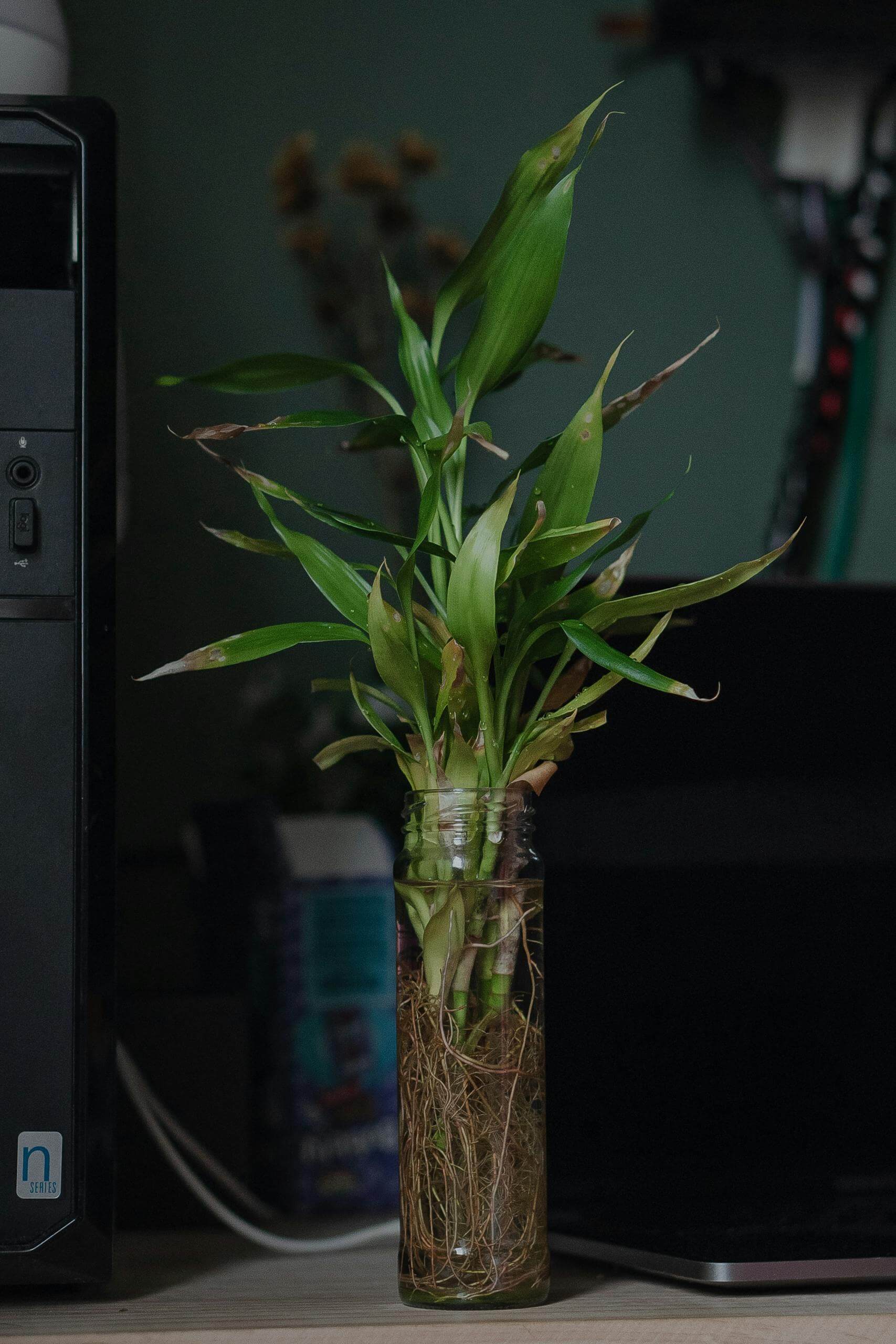
- Incorporating Air-Purifying Plants: Certain plants, such as spider plants and peace lilies, can help remove airborne pollutants.
- Using Natural Cleaning Products: Switching to non-toxic, plant-based cleaning solutions can significantly reduce indoor air pollution.
- Controlling Humidity: Employing dehumidifiers in damp areas and ensuring proper moisture management.
- Regular Cleaning and Maintenance: Frequent dusting, vacuuming with HEPA filters, and washing fabrics can reduce allergens and particulate matter.
- Avoiding Indoor Pollutants: Implementing no-smoking policies and proper storage of paints and solvents.
- Utilizing Natural Air Fresheners: Opting for essential oils and simmered herbs instead of synthetic air fresheners.
- Monitoring Air Quality: Using air quality sensors and conducting regular assessments to maintain optimal IAQ.
Optimizing Ventilation
Proper ventilation is fundamental to maintaining good indoor air quality (IAQ). It involves the exchange of indoor and outdoor air, which helps dilute and remove indoor air pollutants. Let’s explore various ventilation strategies and their implementation.
Understanding Ventilation Rates
Ventilation rate, measured in air changes per hour (ACH), is a key metric in assessing IAQ. The American Society of Heating, Refrigerating and Air-Conditioning Engineers (ASHRAE) recommends a minimum of 0.35 air changes per hour for residential spaces. This means the entire volume of air in a space should be replaced at least once every three hours.
Natural Ventilation Techniques
- Cross-Ventilation:
- Open windows on opposite sides of a room or building to create airflow.
- Effectiveness depends on wind direction and speed, as well as the placement and size of openings.
- Most effective when openings are aligned with prevailing winds.
- Stack Effect Ventilation:
- Utilizes temperature differences to create vertical air movement.
- Open lower-level windows for cool air intake and upper-level windows for warm air exhaust.
- More effective in multi-story buildings or spaces with high ceilings.
- Night Flushing:
- Opens windows at night to let in cooler air, closing them during the day.
- Particularly effective in climates with significant day-night temperature differences.
- Can reduce air conditioning loads and improve thermal comfort.
Mechanical Ventilation Systems
- Exhaust-Only Systems:
- Use fans to expel stale air, allowing fresh air to enter through leaks in the building envelope.
- Commonly used in bathrooms and kitchens.
- Can create negative pressure, potentially drawing in outdoor pollutants.
- Supply-Only Systems:
- Use fans to bring in fresh air, allowing stale air to exit through leaks.
- Can create positive pressure, helping to keep outdoor pollutants out.
- May require additional dehumidification in humid climates.
- Balanced Ventilation Systems:
- Combine supply and exhaust fans to provide controlled air exchange.
- Examples include Heat Recovery Ventilators (HRVs) and Energy Recovery Ventilators (ERVs).
- Can recover heat or coolness from exhaust air, improving energy efficiency.
Practical Tips for Optimizing Ventilation
- Regular Window Opening:
- Open windows for at least 15 minutes daily, even in cold weather.
- Create a schedule to ensure consistent ventilation.
- Strategic Fan Placement:
- Use window fans to enhance air movement.
- Position fans to blow air out on the leeward side of the building and in on the windward side.
- HVAC Maintenance:
- Regularly clean or replace HVAC filters (every 1-3 months).
- Schedule professional HVAC inspections annually.
- Cooking Ventilation:
- Use range hoods or exhaust fans while cooking and for 15 minutes afterward.
- Ensure kitchen exhaust fans vent to the outside, not into attics or wall cavities.
- Bathroom Ventilation:
- Run bathroom exhaust fans during showers and for 30 minutes after to remove excess moisture.
- Monitor CO2 Levels:
- Use a CO2 monitor as a proxy for ventilation effectiveness.
- Aim to keep indoor CO2 levels below 1000 ppm.
Considerations for Different Climates
- Hot, Humid Climates:
- Focus on dehumidification alongside ventilation.
- Consider using ERVs to manage moisture levels.
- Cold Climates:
- Use HRVs to recover heat from exhaust air.
- Be cautious of excessive ventilation leading to overly dry indoor air.
- Urban or Polluted Areas:
- Use filtration alongside ventilation.
- Consider installing trickle vents with filters for continuous, filtered ventilation.
Integrating Smart Technology
Modern smart home systems can optimize ventilation automatically:
- Smart HVAC Systems: Adjust ventilation rates based on occupancy, indoor air quality, and outdoor conditions.
- Automated Window Openers: Can be programmed to open and close windows based on indoor and outdoor temperatures and air quality.
- IAQ Monitors: Provide real-time data on various air quality parameters, allowing for informed ventilation decisions.
By implementing these ventilation strategies and considering your specific climate and living situation, you can significantly improve your indoor air quality. Remember, the goal is to maintain a balance between energy efficiency and healthy indoor air, adapting your approach as seasons and circumstances change.
Sources
- https://www.epa.gov/report-environment/indoor-air-quality ↩︎
- https://www.niehs.nih.gov/health/topics/agents/indoor-air ↩︎
- https://www.hsph.harvard.edu/news/press-releases/office-air-quality-may-affect-employees-cognition-productivity/ ↩︎
- https://www.hsph.harvard.edu/news/press-releases/green-office-environments-linked-with-higher-cognitive-function-scores/ ↩︎