A pleasant-smelling home can significantly enhance our living experience, affecting our mood, productivity, and overall well-being. While scented candles have long been a popular choice for home fragrance, growing concerns about their potential health risks have led many to seek natural alternatives to make their houses smell good without candles.
In this comprehensive guide, we’ll explore various natural methods to make your house smell good without candles, from essential oils and simmering potpourri to fragrant plants and DIY scent sachets.
Many scented candles release harmful chemicals like benzene and toluene. A 2009 study found that paraffin candles, in particular, emit potentially dangerous chemicals such as alkanes and alkenes. More recent research, such as a 2019 study published in the journal “Building and Environment,” has further confirmed these findings, showing that scented candles can release volatile organic compounds (VOCs) that may contribute to indoor air pollution.
These findings have prompted a shift towards natural scenting methods, which offer numerous benefits:
- Healthier air quality
- Customizable scents
- Potential therapeutic effects
- Often more cost-effective in the long run
- Lower environmental impact
When comparing costs, natural methods can be significantly more economical than commercial air fresheners. For instance, a bottle of essential oil can last for months, while commercial sprays may need frequent repurchasing.
However, it’s important to note that some high-quality essential oils can be expensive initially.
Dr. Sarah Thompson, an environmental scientist at Green Living Institute, states, “While natural scenting methods generally have a lower environmental impact, it’s important to consider the sourcing of ingredients. Sustainable harvesting practices are essential to ensure we’re not causing harm in our pursuit of natural fragrances.”
Make Your House Smell Good Without Candles
Essential Oils
Essential oils have gained immense popularity in recent years. The essential oils market was valued at $7.03 billion in 2020 and is expected to reach $27.49 billion by 2028.
Make Your House Smell Good Without Candles
Essential Oil Diffusers
Use ultrasonic or nebulizing diffusers to disperse essential oils into the air. These devices can fill your home with natural, customizable scents. Popular oils include lavender for relaxation and peppermint for energy.
Simmering Potpourri
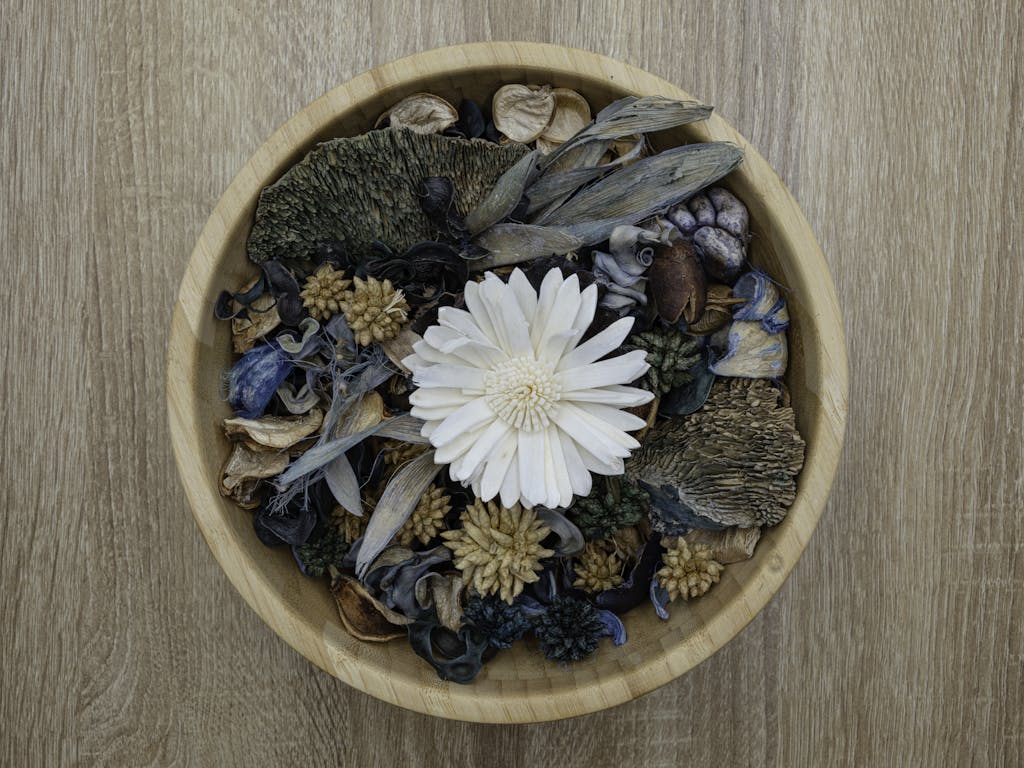
Simmer natural ingredients like citrus peels, cinnamon sticks, and cloves on the stovetop. This method fills your home with a warm, inviting aroma and can be easily customized with seasonal ingredients.
Fragrant Plants
Grow aromatic plants like lavender, jasmine, or herbs indoors. Not only do they provide natural fragrance, but they also purify the air and add a touch of greenery to your decor.
Natural Air Purifiers
Use activated charcoal, beeswax, or coffee grounds to absorb odors. These natural substances can effectively neutralize unpleasant smells without introducing new scents, making them ideal for those sensitive to fragrances.
DIY Scent Sachets
Create small bags filled with dried herbs, flowers, and essential oils. These can be placed in drawers, closets, or around the house for a subtle, long-lasting fragrance that’s perfect for smaller spaces.
Natural Room Sprays
Make your own room sprays using essential oils and water. This method allows for quick and easy application of scent, perfect for refreshing a room instantly or targeting specific areas.
Reed Diffusers
Use natural reeds to diffuse essential oils mixed with a carrier oil. Reed diffusers provide a constant, subtle fragrance without the need for heat or electricity, making them safe and low-maintenance.
Using Diffusers
There are several types of diffusers to choose from:
- Ultrasonic: Uses water and vibration to disperse oils
- Nebulizing: Disperses pure oil without heat or water
- Heat: Uses warmth to evaporate oils
- Evaporative: Uses air flow to disperse oils
When choosing essential oils, consider your desired effects. For relaxation, try lavender or chamomile. For focus, peppermint or rosemary can be beneficial.
DIY Room Sprays
Creating your own room spray is simple:
- Mix 30-40 drops of essential oil with 1/2 cup of water and 1/2 cup of witch hazel in a spray bottle.
- Shake well before each use.
Popular oils for room sprays include lemon, eucalyptus, and tea tree for their fresh, clean scents.
Safety Considerations and Potential Risks
Always dilute essential oils properly and avoid using them around pets or young children without consulting a professional. Some oils can be toxic if ingested or applied directly to the skin.
Dr. Emily Rodriguez, a clinical aromatherapist, warns, "While essential oils are natural, they are also highly concentrated and potent. Overuse or improper use can lead to skin irritation, allergic reactions, or even hormonal disruptions in some cases. Always start with small amounts and discontinue use if you experience any adverse reactions."
Simmering Stovetop Potpourri
Simmering potpourri is a delightful way to fill your home with natural fragrance. Pinterest reports a 90% increase in searches for "natural home scents" since 2019, indicating growing interest in this method.
Ingredients to Use
Common ingredients include:
- Citrus fruits (lemon, orange, grapefruit)
- Herbs (rosemary, thyme, mint)
- Spices (cinnamon sticks, cloves, star anise)
- Vanilla extract
Recipe Ideas
- Citrus Burst: 1 sliced lemon, 1 sliced orange, 2 sprigs of rosemary
- Winter Warmth: 2 cinnamon sticks, 1 sliced apple, 1 tsp vanilla extract, 1 star anise
Seasonal Recipes
- Summer: Lemon, lime, and mint
- Fall: Apple, cinnamon, and nutmeg
- Winter: Orange, clove, and pine needles
- Spring: Lavender, lemon, and vanilla
Energy-Saving Tips
Use a slow cooker on low setting instead of the stove for longer-lasting scents with less energy consumption.
Cultural Perspectives
Dr. Aisha Patel, a cultural anthropologist, notes, "Many cultures have traditional methods of scenting homes that align with natural approaches. For instance, in India, it's common to burn incense or use essential oils in clay diffusers. In the Middle East, burning bukhoor (scented wood chips) is a cultural practice that dates back centuries."
Fresh Herbs and Plants
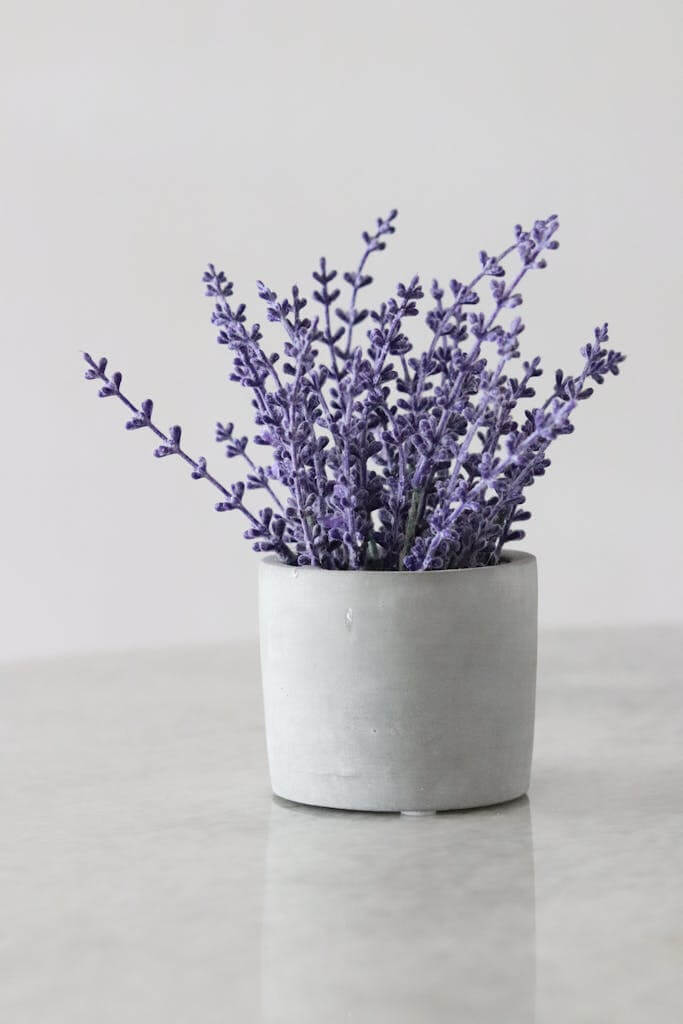
Incorporating fragrant plants into your home decor not only adds visual appeal but also provides natural scents.
Best Fragrant Plants for Indoors
- Jasmine
- Gardenia
- Lavender
- Eucalyptus
The NASA Clean Air Study found that certain plants can remove up to 87% of air toxins in 24 hours, making them excellent choices for both fragrance and air purification. A more recent study published in the Journal of Environmental Management in 2019 confirmed these findings and identified additional plants with air-purifying properties.
Caring for Aromatic Plants
Most aromatic plants prefer bright, indirect light and well-draining soil. Water when the top inch of soil feels dry.
Creating an Indoor Herb Garden
Start with easy-to-grow herbs like basil, mint, and rosemary. Place them in a sunny spot in your kitchen for easy access while cooking.
Natural Air Purifiers
Activated Charcoal
Activated charcoal can absorb up to 200 times its weight in impurities. Place sachets of activated charcoal in areas prone to odors, like closets or near trash cans.
Beeswax
Beeswax candles release negative ions that can help remove pollutants from the air. They're a great alternative to paraffin candles for those who enjoy a flame.
Other Natural Air Purifiers
Salt lamps and bamboo charcoal are also popular choices, though scientific evidence for their effectiveness is limited. Dr. Michael Chen, an indoor air quality expert, states, "While these methods may have some benefits, their effectiveness is often overstated. It's important to combine these with proper ventilation and regular cleaning for optimal air quality."
DIY Scent Sachets
Materials Needed
- Small fabric bags
- Dried herbs or flowers
- Essential oils
- Rice or dried beans (as a base)
Scent Combinations
Lavender is the most popular essential oil, accounting for 31.7% of the global essential oil market. Other popular combinations include:
- Rose and vanilla
- Lemon and rosemary
- Cinnamon and orange
How to Make and Use Sachets
- Fill fabric bags with a mixture of dried herbs and scented rice.
- Place in drawers, closets, or under pillows for subtle fragrance.
Addressing Common Concerns
Allergies and Sensitivities
Always test new scents in small amounts. Natural doesn't always mean hypoallergenic. Dr. Lisa Wang, an allergist, advises, "Some people may be more sensitive to natural scents than synthetic ones. If you have a history of allergies or sensitivities, introduce new scents gradually and monitor for any reactions."
Pet Safety
Some essential oils can be harmful to pets. Always research or consult a vet before using new scents around animals. Dr. Mark Thompson, a veterinarian, warns, "Essential oils like tea tree, citrus, and pine can be toxic to cats and dogs if ingested or absorbed through the skin. Always keep these products out of reach of pets."
Intensity and Longevity of Scents
Natural scents are often more subtle than synthetic ones. Refresh your scent sources regularly for consistent fragrance. Some people may find this preferable, while others might miss the strong, long-lasting scents of commercial products.
Troubleshooting
Dealing with Persistent Odors
For tough odors, try a combination of methods. For example, use both an essential oil diffuser and activated charcoal. Here's a step-by-step approach:
- Identify the source of the odor and clean it if possible.
- Use an air purifier with a HEPA filter to remove odor-causing particles.
- Place bowls of white vinegar around the room to absorb odors.
- Use a natural odor-absorbing spray made with essential oils.
- If the odor persists, consider using an ozone generator, but only when the space is unoccupied and following manufacturer instructions carefully.
Adjusting Scent Strength
For stronger scents:
- Increase the concentration of essential oils
- Use a nebulizing diffuser
- Layer multiple scenting methods (e.g., plants + essential oils)
For milder scents:
- Dilute essential oils more
- Use fewer ingredients in potpourri
- Place scent sources farther from high-traffic areas
Maintaining Consistent Fragrance
- Rotate your scents to prevent olfactory fatigue
- Use timers on diffusers for intermittent scenting
- Regularly clean and maintain your scenting devices
Environmental Impact
While natural scenting methods generally have a lower environmental impact than synthetic alternatives, it's important to consider the entire lifecycle of the products used.
Dr. Emma Greenwood, an environmental scientist, explains, "The cultivation and extraction processes for some essential oils can be resource-intensive. Look for oils that are sustainably sourced and organic when possible. Also, consider the packaging – opt for brands that use recyclable or biodegradable materials."
Some ways to minimize environmental impact:
- Use locally sourced herbs and plants when possible
- Choose reusable or biodegradable materials for DIY projects
- Opt for energy-efficient diffusers
- Support companies with transparent and sustainable sourcing practices
Comparison with Synthetic Options
While natural scenting methods offer many benefits, it's worth comparing them to synthetic options:
| Aspect | Natural Methods | Synthetic Methods |
|---|---|---|
| Scent Longevity | Generally shorter | Often longer-lasting |
| Intensity | Usually more subtle | Can be very strong |
| Health Impact | Generally lower risk, but allergies possible | Higher risk of irritation and other health issues |
| Environmental Impact | Lower, but depends on sourcing | Generally higher |
| Cost | Initially higher, but often more economical long-term | Often cheaper upfront |
| Customization | Highly customizable | Limited to available products |
Natural home scenting methods offer a wide range of options to suit every preference and need. From essential oils to fresh herbs, these alternatives provide pleasant aromas without the potential risks associated with synthetic fragrances.
As you experiment with these methods, remember that 74% of millennials prefer natural fragrances over synthetic ones, according to a 2018 survey. You're part of a growing trend towards healthier, more sustainable home fragrancing.
By choosing natural scenting methods, you're not only creating a more pleasant home environment but also potentially contributing to better indoor air quality and reduced environmental impact. However, it's important to use these methods mindfully, considering potential allergies, pet safety, and sustainable sourcing.
Enjoy the process of discovering your perfect natural home scent, and don't be afraid to experiment with different combinations and methods to find what works best for you and your home.