Are you concerned about the safety of your cutting board? You should be. Not all cutting boards are created equal, and some can pose serious health risks to you and your family.
Many cutting boards contain harmful substances that can contaminate your food. These include BPA in plastics, formaldehyde in certain wood finishes, and toxic adhesives in composite boards. Even seemingly harmless plastic boards can shed microplastics into your meals as they wear down.
The dangers extend beyond chemical exposure. An unsafe cutting board can harbor harmful bacteria, leading to foodborne illnesses. These can range from mild discomfort to severe, life-threatening conditions, particularly for vulnerable groups like young children, the elderly, pregnant women, and those with weakened immune systems.
In this comprehensive guide, we’ll explore the best non toxic cutting boards materials, pros and cons, and practical advice to make an informed decision for your kitchen.

The Importance of non Toxic Cutting Boards
When choosing a cutting board, food safety should be your top priority. The board comes into direct contact with your ingredients, including raw meats, vegetables, and fruits. An unsafe board can harbor harmful bacteria, potentially leading to foodborne illnesses.
Cross Contamination
Cross contamination is a significant concern. Using the same unwashed board for different types of food, such as raw meat and vegetables, can spread harmful bacteria. This is why many cooks prefer to have multiple cutting boards for different purposes.
What is the Best Type of Cutting Board?
The best type of cutting board balances several factors: food safety, durability, knife care, and ease of maintenance. Let’s explore the options:
Best Materials for non toxic cutting boards
Different materials offer various benefits and drawbacks. Here’s an overview of the most common options:
1. Hardwood (e.g., maple, walnut, beech)
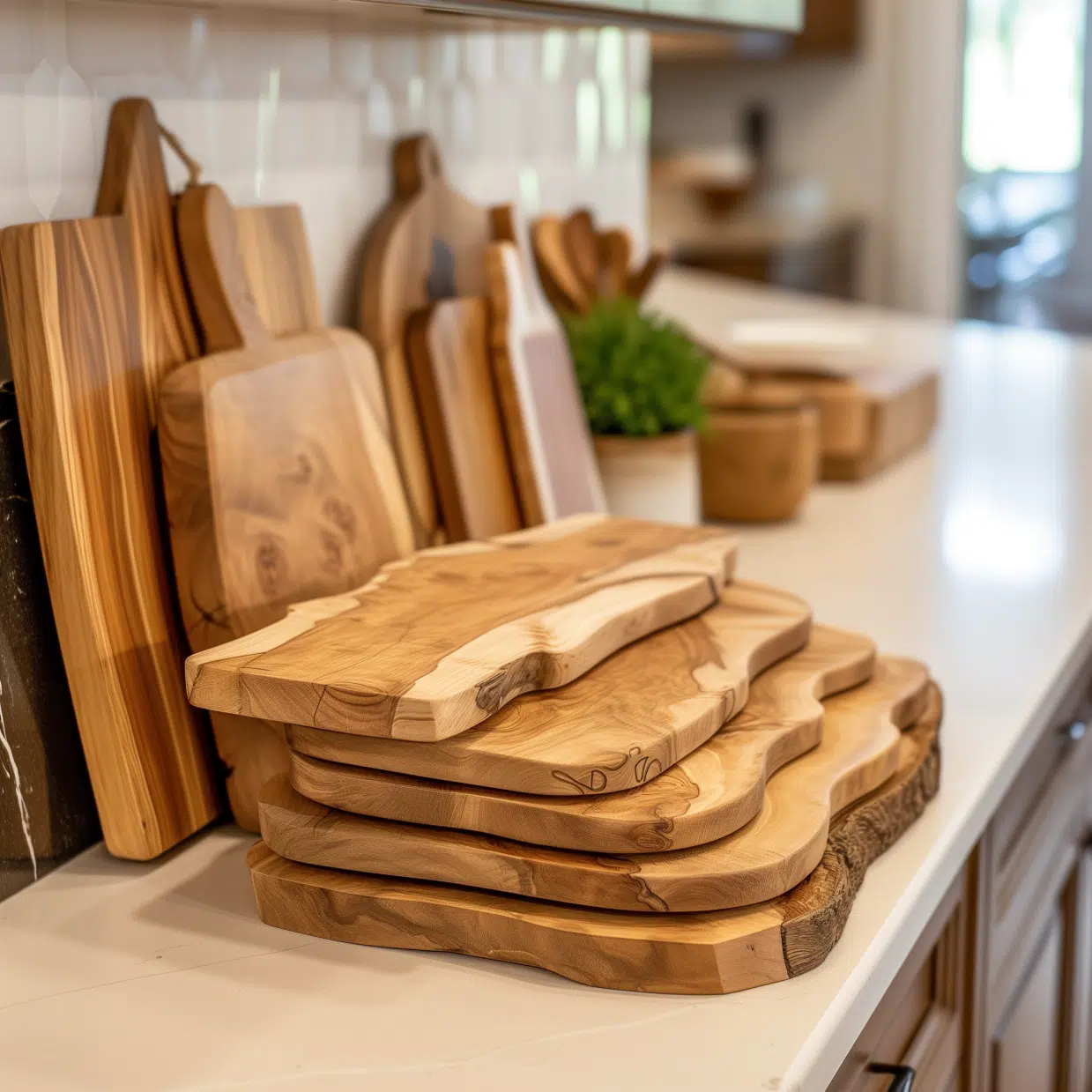
Hardwood cutting boards have stood the test of time in kitchens worldwide. These boards offer a perfect blend of functionality and aesthetics.
Pros:
- Natural antimicrobial properties
- Self-healing (small cuts close up over time)
- Gentle on knife edges
- Durable and long-lasting with proper care
- Visually appealing
Cons:
- Require regular maintenance (oiling)
- Can be heavy
- More expensive than some other options
- Not dishwasher safe
2. Bamboo
Bamboo cutting boards have gained popularity as an eco-friendly alternative to traditional hardwoods.
Pros:
- Naturally antimicrobial
- Harder and more durable than most hardwoods
- Environmentally sustainable
- Resistant to water absorption
Cons:
- Can be hard on knife edges
- May contain adhesives with formaldehyde
- Requires regular oiling to prevent cracking
3. Plastic (High-Density Polyethylene)
Plastic cutting boards, particularly those made from high-density polyethylene (HDPE), are popular in both home and commercial kitchens.
Pros:
- Non-porous surface
- Dishwasher safe
- Affordable
- Lightweight
Cons:
- Can develop deep grooves that harbor bacteria
- Needs replacement more frequently
- Not environmentally friendly
4. Glass/Ceramic
Glass and ceramic cutting boards offer a sleek, modern look and are often used for serving as well as cutting.
Pros:
- Non-porous and easy to clean
- Doesn’t absorb odors or stains
- Heat-resistant
Cons:
- Very hard on knife edges
- Can be slippery during use
- May chip or break if dropped
5. Stone (e.g., granite, marble)
Stone cutting boards can double as attractive serving pieces and are particularly useful for certain tasks like rolling out pastry.
Pros:
- Non-porous and easy to clean
- Aesthetically pleasing
- Stays cool, making it good for pastry work
Cons:
- Very hard on knife edges
- Heavy and difficult to move
- Can chip or crack if dropped
6. Epicurean Cutting Boards
Pros
- Durability: Known for their robustness, they can withstand heavy use.
- Hygiene: The non-porous surface prevents bacteria and odor absorption.
- Low Maintenance: Often dishwasher-safe, they require less upkeep than wood.
- Eco-Friendly: Many are made from sustainable or recycled materials.
Cons:
- Potential for Chemicals: Some may contain resins or chemicals, so it’s crucial to choose those that are certified as non-toxic.
- Knife Wear: While less harsh than glass or stone, they can still dull knives quicker than traditional wood.
- Aesthetic Changes: Over time, they may show cut marks and can lose their initial appearance.
3 Most Sanitary Cutting Board Materials
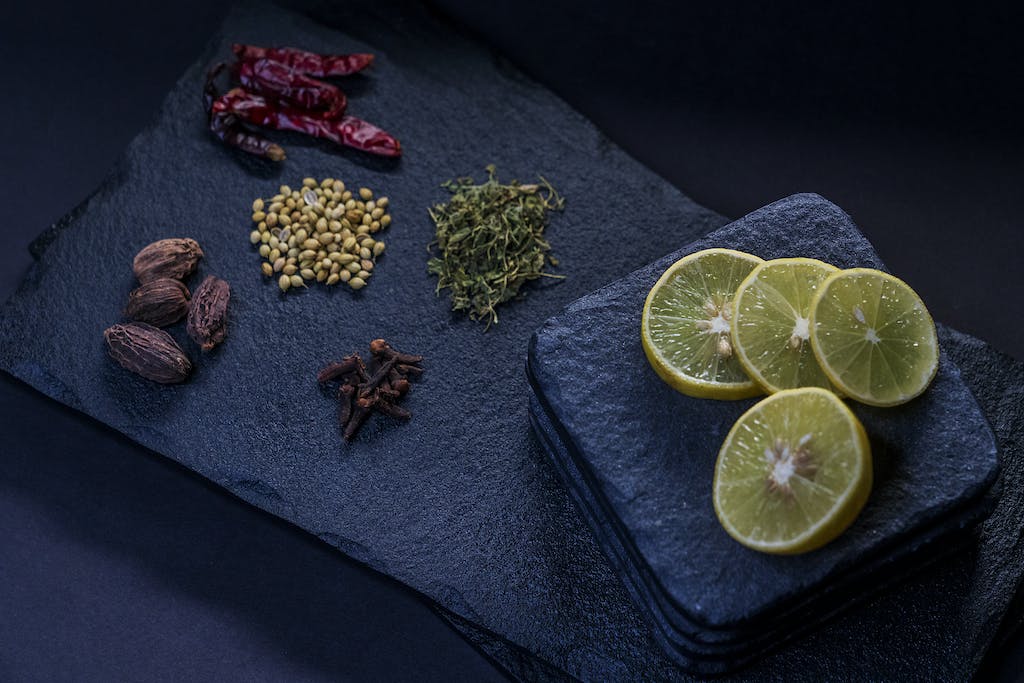
- Wood: Surprisingly, wood has natural antibacterial properties. Many hardwoods contain compounds that inhibit bacterial growth.
- Stone / Porcelain: These non-porous surfaces are easy to clean and sanitize. They don’t absorb liquids or harbor bacteria in the same way porous materials might.
- Polyethylene Plastic: High-density polyethylene (HDPE) plastic is non-porous, dishwasher safe, and resistant to deep scratches that could harbor bacteria.
The Healthiest Cutting Board For Your Needs
When looking for the healthiest cutting board, consider these factors:
- Material: Wood, high-density plastic, and rubber are generally considered the healthiest options due to their antimicrobial properties or ease of cleaning.
- Maintenance: Can you commit to the upkeep required for wood, or do you need a lower-maintenance option like plastic?
- Usage: Do you need separate boards for different tasks?
- Size and Weight: Ensure the board is large enough for your needs but not too heavy to handle comfortably.
- Knife Care: If you have expensive knives, prioritize materials that are gentle on blades.
Best Cutting Boards for Meats
When it comes to cutting raw meat, food safety is paramount. The best materials are:
- Plastic (High-Density Polyethylene): Can be sanitized in the dishwasher and is often color-coded for meat use.
- Rubber: Non-porous and resistant to knife scarring.
- Hardwoods: While they require more maintenance, they have natural antimicrobial properties.
Always use a separate cutting board for raw meats to prevent cross-contamination.
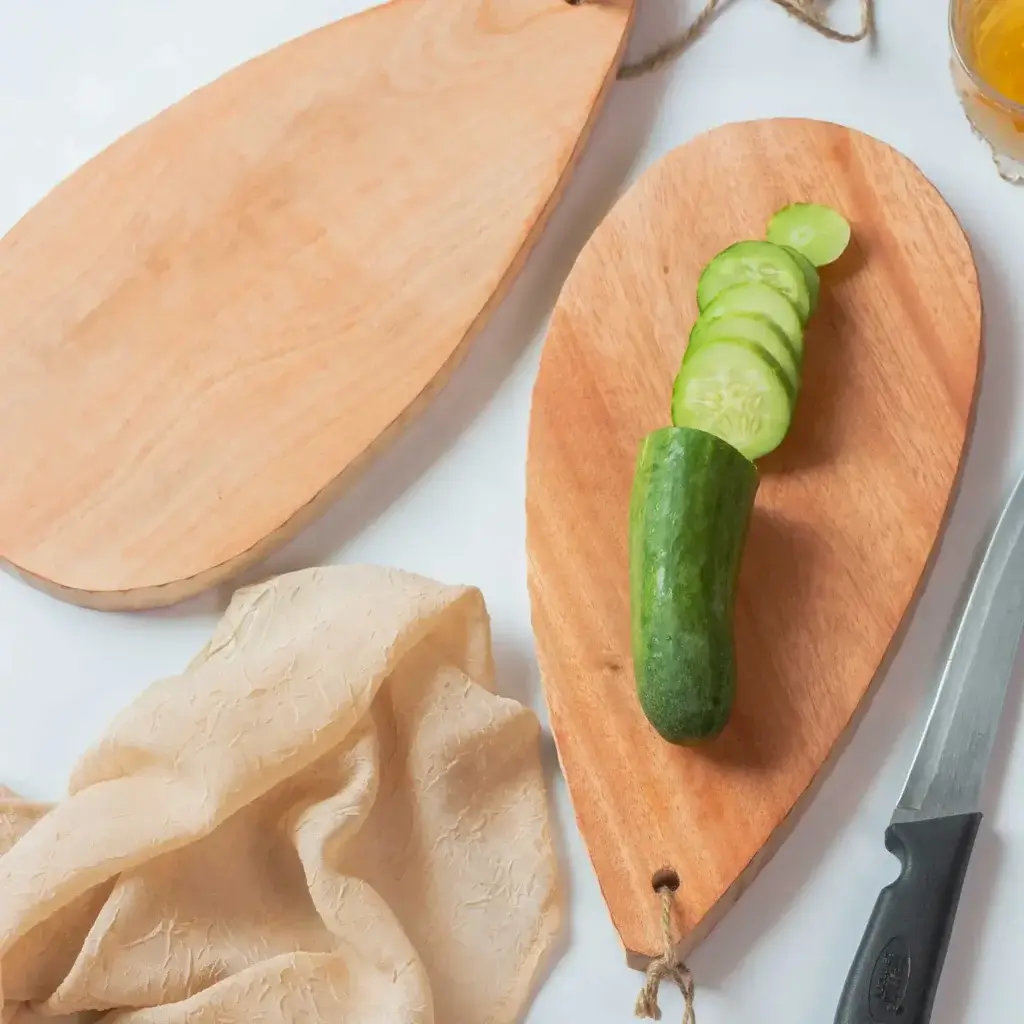
What Is the Best Wood for a Cutting Board?
When it comes to wooden cutting boards, some woods perform better than others. Here are the top 7 best woods for a cutting board:
- Maple: Hard, durable, with a tight grain that resists bacteria.
- Walnut: Beautiful dark wood that’s gentle on knives.
- Cherry: Moderately hard with a rich, warm color.
- Beech: Similar to maple in hardness, with a light color that doesn’t show stains easily.
- Teak: Naturally oily wood that resists water absorption and warping.
- Acacia: As seen in the Acacia Wood Charcuterie Board, this wood is hard, durable, and beautifully grained.
- Olive: The Olive Wood Cutting Board by Healthier Homes showcases this wood’s unique grain patterns and natural antimicrobial properties.
For a unique option, consider the Groovy Oak Cutting Board, which often features a built-in crumb catcher for easier cleanup.
Are Bamboo Cutting Boards Safe?
Bamboo cutting boards can be safe when chosen carefully and maintained properly, but they do come with some considerations:
Safety considerations:
- Antimicrobial properties: Bamboo naturally contains an antimicrobial agent called “bamboo kun,” which may help resist bacterial growth.
- Non-porous surface: Bamboo is less porous than some hardwoods, potentially making it more resistant to moisture and bacterial penetration.
- Eco-friendly: Bamboo is a rapidly renewable resource, making it an environmentally conscious choice.
Concerns:
- Adhesives: Some bamboo boards use adhesives that may contain formaldehyde. Look for products certified to meet CARB (California Air Resources Board) or EPA standards for low formaldehyde emissions.
- Hardness: Bamboo is harder than many traditional woods, which can dull knives more quickly. This could lead to more frequent knife sharpening.
- Maintenance: Bamboo requires regular oiling and careful cleaning to prevent cracking or splintering, which could create areas for bacteria to grow.
To ensure safety:
- Choose high-quality boards from reputable manufacturers.
- Look for products labeled as formaldehyde-free or meeting emission standards.
- Maintain the board properly with regular cleaning and oiling.
- Replace the board if it develops deep grooves or shows signs of significant wear.
Plastic vs Wood Cutting Boards
Both plastic and wood have their merits as cutting board materials:
Plastic Cutting Boards:
- Pros: Affordable, lightweight, dishwasher-safe, available in various colors for task separation
- Cons: Can develop deep grooves that harbor bacteria, shorter lifespan, not eco-friendly
Wooden Cutting Boards:
- Pros: Durable, naturally antimicrobial, gentle on knives, aesthetically pleasing
- Cons: Require regular maintenance, can be heavy, more expensive
Are Plastic Cutting Boards Safe to Use?
Plastic cutting boards can be safe if you follow these guidelines:
- Choose boards made from food-safe plastics like high-density polyethylene.
- Replace boards when they develop deep grooves.
- Sanitize regularly in the dishwasher or with a bleach solution.
- Use separate boards for raw meats and other foods.
Finding the safest and Best Cutting Board
In summary, the healthiest and best cutting boards are:
- WOOD: Naturally antibacterial, gentle on knives, but requires maintenance.
- PLASTIC: Easy to clean and sanitize, but needs replacement when deeply scratched.
- MINERAL SURFACES: Non-porous and easy to clean, but can be hard on knives.
The best choice depends on your individual needs, cooking habits, and willingness to maintain your board. Many kitchens benefit from having a combination of boards for different purposes.
Cutting Boards as Serving Pieces
Many cutting boards, especially wooden and stone varieties, can double as attractive serving pieces. A meat charcuterie board, for example, can be both functional for preparation and beautiful for presentation.
Charcuterie Board Tips and Tricks
- Choose a board with ample space and perhaps a juice groove for messier items.
- Mix textures and colors of foods for visual appeal.
- Use small bowls on the board for items like olives or dips.
- Arrange items in a pleasing pattern, starting with larger items and filling in with smaller ones.
The right non-toxic cutting board is a blend of personal preference and practicality.
Whether it’s the eco-friendly bamboo, durable wood, innovative organic composites, sleek Epicurean, elegant stone, or flexible silicone, each material offers unique benefits and considerations.
Your ideal choice should align with your kitchen needs, health concerns, and environmental values, enhancing both your cooking experience and wellbeing.
Also read >> Ceramic Dinnerware: Your Everyday Table’s Best Friend or Frenemy?