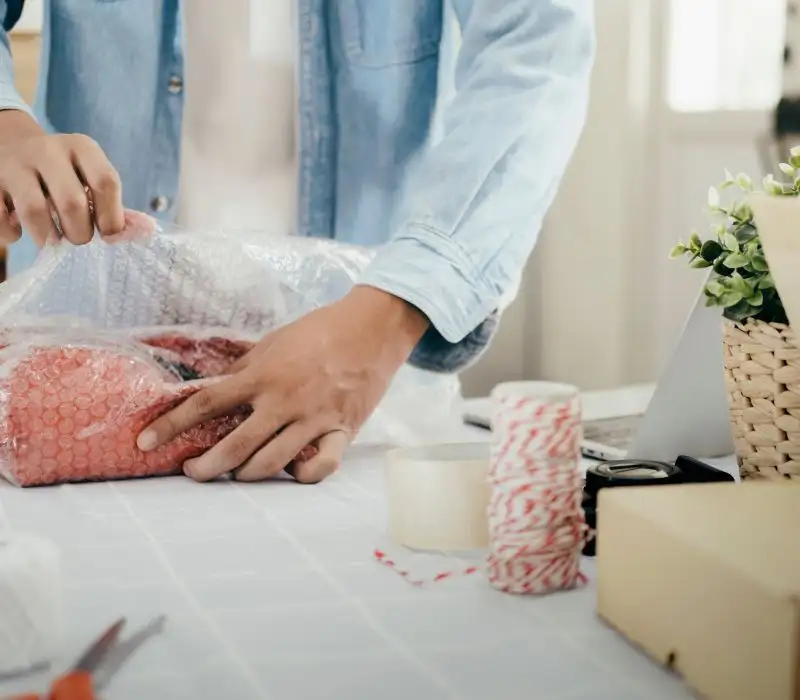
Moving can be stressful, especially when it comes to packing dishes and fragile items like plates and bowls. However, with the right techniques and packing materials for dishes, you can ensure your kitchenware remains safe during the move. In this guide, we’ll explore the best way to pack dishes for moving, how to protect them during transit, and even how to pack dishes for storage or shipping.
Best Boxes for Packing Dishes
When it comes to moving dishes, not all boxes are created equal. Here are the best boxes for packing dishes:
- Dish Barrels: Designed specifically for dishes, these tall and sturdy boxes offer maximum protection.
- Small to Medium Boxes: Prevent overloading and make carrying easier.
- Double-Walled Boxes: Provide extra protection for your fragile items, ideal for packing china dishes for moving.
When selecting boxes to pack dishes, ensure they’re durable enough to support the weight and offer cushioning to prevent breakage.
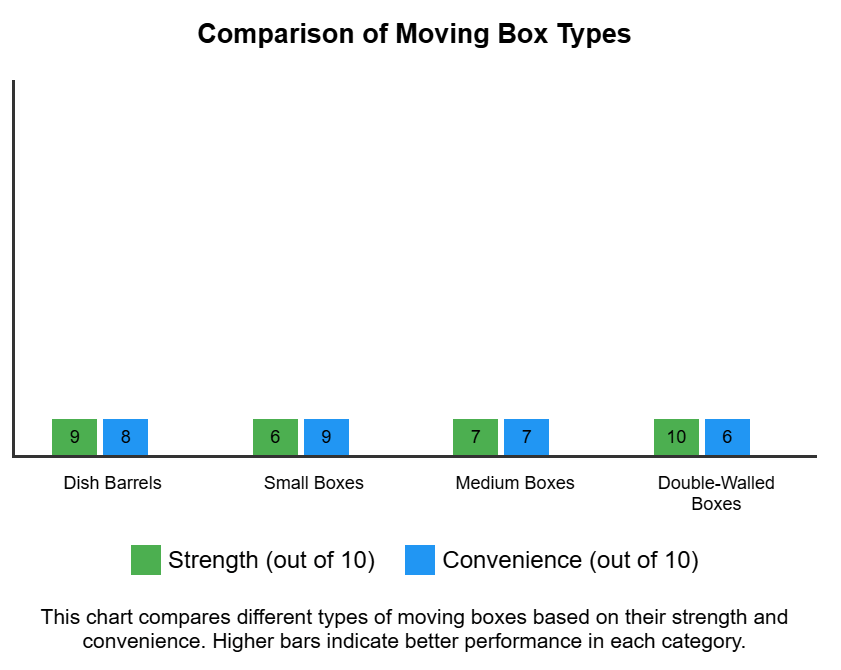
This chart compares different box types based on their strength and convenience for packing dishes.
Essential Packing Materials for Dishes
Using the right packing materials for dishes is key to safeguarding your items. Here’s a list of what you’ll need:
- Packing Paper: A staple material for wrapping and cushioning dishes.
- Bubble Wrap for Packing Dishes: Ideal for extra protection when wrapping plates and bowls.
- Dish Packing Inserts: These dividers provide added support in boxes, especially useful for packing china dishes for moving.
- Dish Wrapping Paper for Moving: Protects dishes without leaving residue, unlike newspaper.
Packing Pape
Packing paper is a key material for safely wrapping your dishes.
Here’s why it’s so useful:
- Cushioning: It provides a soft barrier between dishes.
- Flexibility: Easy to crumple for extra padding.
- Clean: Unlike newspaper, it won’t leave ink stains.
- Affordable: A cost-effective option for large moves.
To use packing paper effectively:
- Lay out a stack of sheets on a flat surface.
- Place a dish in the center.
- Wrap the dish by folding the corners over it.
- Secure the wrap with a small piece of tape.
Best Packing Paper Recommendations
| Product Name | Features | Size | Why It’s Great |
|---|---|---|---|
| Scotch Cushion Wrap | Perforated sheets, cushioned paper | 12 inches x 175 feet | Provides extra cushioning for fragile items |
| U-Haul Packing Paper | Ink-free, acid-free paper | 24 inches x 36 inches, 200 sheets per pack | Large sheets perfect for wrapping dishes of all sizes |
| Bryco Goods Packing Paper Sheets | Unprinted newsprint paper | 24 inches x 36 inches, 250 sheets per pack | Thick paper that’s great for creating padding between items |
| Duck Brand Kraft Paper | Recyclable kraft paper on a roll | 24 inches x 30 feet | Versatile for both wrapping and void fill |
| EcoBox Packing Paper | Biodegradable, unprinted newsprint | 24 inches x 36 inches, 480 sheets per pack | Eco-friendly option with a large quantity of sheets |
How to Pack Dishes for Moving
Whether you’re moving across the country or into storage, knowing how to pack dishes for moving is essential. Here’s a step-by-step guide:
- Wrap Dishes for Moving: Start by wrapping each dish individually with bubble wrap, ensuring every surface is covered. This method is especially helpful if you’re wondering how to pack dishes for moving with bubble wrap.
- Packing Plates for Moving: For plates, stack them vertically like records and place plate packing material or foam plates between each one. This prevents them from cracking under their own weight.
- Packing Bowls for Moving: Nest smaller bowls inside larger ones, separated by layers of packing sheets for dishes or bubble wrap.
- Fill Empty Spaces: Use crumpled moving paper for dishes or clothing to fill gaps in the box and prevent shifting during transport.
- Label the Boxes: Always mark boxes with “FRAGILE” and ensure the correct side is facing up.
If you’re out of professional materials, you might be wondering what to wrap dishes in when moving. Try using everyday items like towels, socks, or foam plates as alternatives to packing material for dishes. This hack can save both space and money.
How to Pack Dishes for Moving Without Paper
Running low on packing paper for dishes? Don’t worry! Here are some alternatives for how to pack dishes for moving without paper:
- Foam Plates: Place them between regular plates for an added layer of protection.
- Clothing: Use soft fabrics, like t-shirts or sweaters, to cushion your dishes.
- Plastic Bags: Great for grouping smaller items together for extra stability.
These methods can make the process of packing dishes to move easier without compromising safety.
Packing Dishes for Storage: Long-Term Solutions
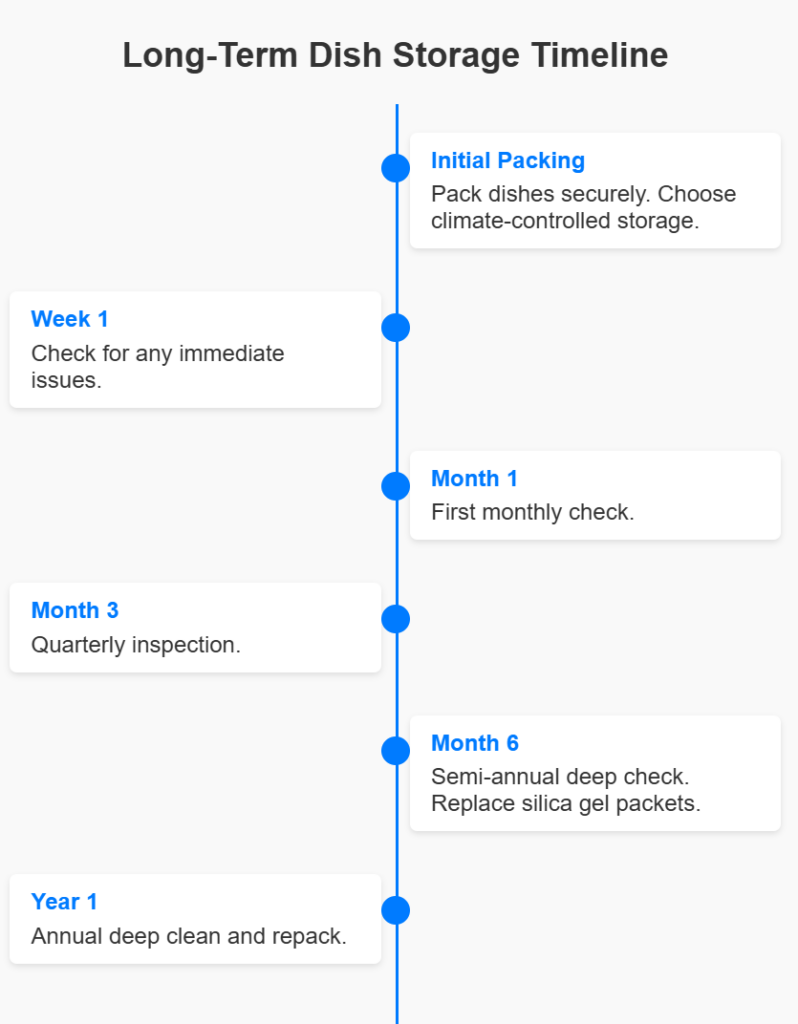
If you’re packing dishes for long-term storage, consider these tips:
- Climate Control: Choose a storage unit that’s cool and dry to prevent mold growth.
- Airtight Containers: These protect against dust and pests.
- Silica Gel Packets: Add these to boxes to absorb moisture.
- Regular Checks: Visit your storage unit periodically to ensure everything’s in good condition.
This timeline provides a guide for maintaining your dishes in long-term storage.
How to Pack Dishes for Moving with Newspaper
While not ideal due to potential ink transfer, newspaper can work in a pinch. Here’s how to use it:
- Lay out several sheets of newspaper.
- Place a dish in the center.
- Wrap the dish, using extra paper for cushioning.
- Secure with tape.
- Before using the dishes after moving, wash them to remove any ink residue.
How to Pack Dishes for Shipping
If you’re sending dishes to a new location, the process is slightly different from moving. When packing dishes for shipping, it’s essential to use heavy-duty boxes and high-quality dish wrapping paper for moving. Consider adding silica gel packets to absorb moisture if the shipment will take time.
Best Way to Pack Dishes for a Move
The best way to pack dishes for a move involves combining techniques that provide maximum protection. Stack plates vertically, cushion bowls with padding, and use dish packing inserts. To wrap delicate glassware or mugs, fill them with crumpled paper to protect handles.
When figuring out how to pack dishes for a move, always focus on ensuring there’s no room for movement inside the box. Crumple paper to wrap dishes for moving or add extra padding in the form of towels to eliminate shifting.
How to Wrap Dishes for Moving with Bubble Wrap
Bubble wrap provides excellent protection for fragile items. Here’s how to do it:
- Cut squares of bubble wrap slightly larger than the dish.
- Place the dish in the center and fold the bubble wrap over it.
- Secure with tape.
- Stack dishes vertically inside a box.
For maximum protection, add bubble wrap for packing dishes between layers and fill gaps with paper or foam. This method is perfect for those wondering how to bubble wrap plates.
Tips for Packing Specific Types of Dishes
Different types of dishes require different packing techniques:
- Plates: Stack vertically like records in a box.
- Bowls: Nest smaller bowls inside larger ones with padding between.
- Glasses: Wrap individually and place upright in the box.
- Mugs: Fill with packing paper to protect handles.
This table summarizes the best packing techniques for different types of dishes.
| Dish Type | Packing Technique | Additional Tips |
|---|---|---|
| Plates | Stack vertically like records in a box | Place packing paper or foam plates between each dish. Wrap bundles of 3-4 plates together. |
| Bowls | Nest smaller bowls inside larger ones with padding | Place packing paper or bubble wrap between each bowl. Wrap the entire stack in paper or bubble wrap. |
| Glasses and Stemware | Wrap individually and place upright in the box | Stuff glasses with crumpled paper. Use dividers or cardboard cells for extra protection. |
| Mugs | Fill with packing paper and wrap handles separately | Place mugs sideways in the box, alternating handle direction for a snug fit. |
| Serving Platters | Wrap individually and place vertically in the box | Use bubble wrap for extra padding. Place between flat boxes or use cardboard dividers. |
| Silverware | Wrap sets in packing paper or cloth napkins | Keep sets together in small boxes or plastic containers. Avoid loose silverware in large boxes. |
Final Thoughts on Packing Dishes for Moving
Packing dishes for a move doesn’t have to be a headache. With the right materials and techniques, you can keep your kitchenware safe and secure. Remember these key points:
- Always pack fragile items with care and use best boxes for packing dishes to minimize risk.
- Fill all empty spaces to prevent shifting.
- Label your boxes clearly, marking them as “Fragile” and “This Side Up.”
By following these tips, you’ll find the best way to pack dishes for a move that suits your situation, whether you’re packing dishes for storage or a long-distance relocation.