

Butcher block countertops add warmth and character to any kitchen. But spills happen. When your favorite red wine leaves its mark during a dinner party, don’t panic. This guide will walk you through 5 effective ways to remove stains from butcher block countertops.
Why Butcher Block Countertops Stain Easily
Butcher block is made from wood, which is porous. This means it can absorb liquids quickly, leading to stains. Common culprits include:
- Red wine
- Coffee
- Fruit juices
- Oil
- Water marks
The good news? Most stains can be removed with items you already have at home.
Also Read >> How to Clean Your Popcorn Ceilings Safely

5 Methods to Remove Stains from Butcher Block Countertops
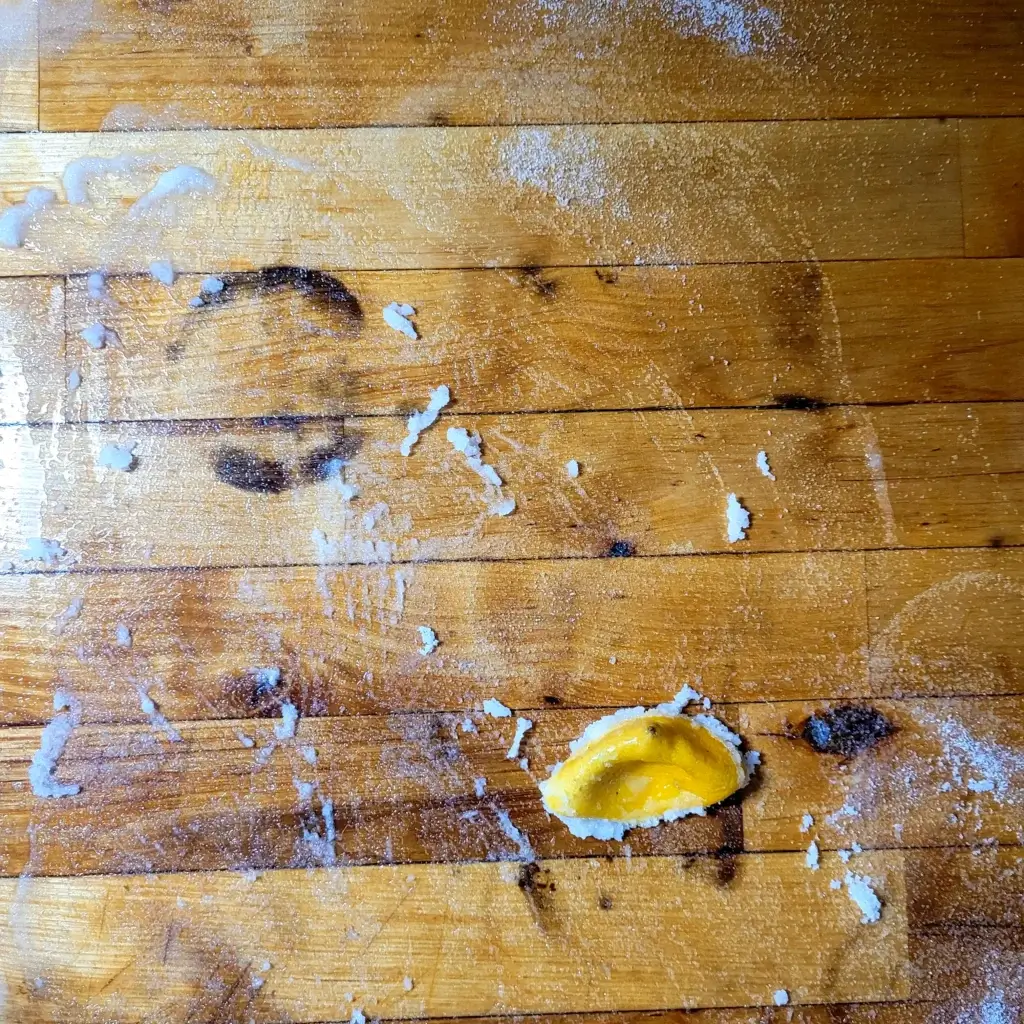
1. Salt and Lemon Method
This natural approach works well for light stains and water marks.
You’ll need:
- 1/2 lemon
- 1/4 cup salt
- Clean cloth
Steps:
- Sprinkle salt over the stain.
- Rub the lemon (pulp side down) over the salt.
- Let sit for 5 minutes.
- Wipe clean with a damp cloth.
For tough stains, make a paste with lemon juice and salt. Apply it to the stain and let it sit overnight before wiping away.
Also Read >> How to Keep Your Bathroom Clean and Mold-Free Without Harsh Chemicals.
2. Hydrogen Peroxide Solution
This method is great for removing red wine stains from butcher block surfaces.
You’ll need:
- 1/4 cup hydrogen peroxide 3%
- 1 cup water
- Clean cloth
- Cotton balls
Steps:
- Mix hydrogen peroxide and water in a bowl.
- Dip a cloth in the solution and apply to the stain.
- Let sit for 5-10 minutes.
- Wipe clean with a damp cloth.
For stubborn stains, soak a cotton ball in the solution and place it on the stain. Cover with plastic wrap and let sit overnight.

3. White Vinegar Trick
White vinegar is a natural cleaner that can tackle many types of stains.
You’ll need:
- 1/2 cup white vinegar
- 1/2 cup water
- Clean cloth
Steps:
- Mix equal parts vinegar and water in a spray bottle.
- Spray the solution on the stain.
- Let sit for 10 minutes.
- Wipe clean with a damp cloth.
For oil stains, you can use undiluted white vinegar. Apply it directly to the stain, let it sit for 30 minutes, then wipe clean.
4. Baking Soda Paste
This method works well for removing juice stains from butcher block countertops.
You’ll need:
- 1/4 cup baking soda
- Water
- Clean cloth
Steps:
- Mix baking soda with a small amount of water to form a paste.
- Apply the paste to the stain.
- Let sit for 15-20 minutes.
- Wipe clean with a damp cloth.
For best results, repeat this process 2-3 times for stubborn stains.

Products used: Howard Butcher Block Oil, 5-Inch Random Orbital Sander
5. Sanding Method
As a last resort, sanding can remove deep stains from butcher block surfaces.
You’ll need:
- Fine-grit sandpaper (220 grit)
- Clean cloth
- Food-grade mineral oil
Steps:
- Lightly sand the stained area in the direction of the wood grain.
- Wipe away dust with a clean cloth.
- Apply a thin layer of food-grade mineral oil to refresh the wood.
Note: Use this method sparingly, as it removes a thin layer of wood each time.

Also Read >> How to Get Rid of Gnats in the Kitchen – Easy to Follow Steps
How to Prevent Water Stains on Butcher Block
Water stains are a common issue with butcher block countertops. They appear as dark marks where water has been allowed to sit on the surface. Here’s how to keep your butcher block free from water stains:
- Seal the surface: Apply a food-safe sealer to your butcher block. This creates a barrier that repels water and prevents it from soaking into the wood.
- Oil regularly: Use food-grade mineral oil or a butcher block conditioner every 1-3 months. This keeps the wood hydrated and less likely to absorb water.
- Wipe up spills quickly: Don’t let water or other liquids sit on the surface. Keep a clean, dry cloth handy in the kitchen for quick wipe-ups.
- Use coasters and trivets: Place these under glasses, pots, and pans to catch condensation or spills before they reach the wood.
- Avoid letting wet items sit: Don’t leave damp sponges, wet dishes, or freshly washed produce directly on the butcher block.
- Apply beeswax: After oiling, apply a layer of food-grade beeswax. This adds an extra layer of protection against water.
- Keep it dry: After cleaning your butcher block, dry it thoroughly with a clean towel.
- Use a marine-grade varnish: For areas near sinks, consider using a marine-grade varnish for extra protection. Note that this surface shouldn’t be used for food prep.
DIY Butcher Block Sealer
You can make your own butcher block sealer at home. Here’s a simple recipe:
Ingredients:
- 1 part beeswax
- 4 parts mineral oil
Instructions:
- Melt the beeswax in a double boiler.
- Add the mineral oil and stir until combined.
- Let cool slightly, then apply to your butcher block with a clean cloth.
- Buff excess away after 20 minutes.
Apply this sealer every 6-12 months for optimal protection against water stains.
Comparison of Stain Removal Methods
| Method | Best For | Difficulty | Time | Materials Needed |
|---|---|---|---|---|
| Salt and Lemon | Light stains, water marks | Easy | 10-15 minutes | Salt, lemon, cloth |
| Hydrogen Peroxide | Red wine stains | Medium | 15-20 minutes | Hydrogen peroxide, water, cloth |
| White Vinegar | Various stains, oil marks | Easy | 15-20 minutes | White vinegar, water, cloth |
| Baking Soda | Juice stains | Easy | 20-25 minutes | Baking soda, water, cloth |
| Sanding | Deep, set-in stains | Hard | 30+ minutes | Sandpaper, cloth, mineral oil |
Preventing Future Stains on Butcher Block Countertops
The best way to deal with stains is to prevent them. Here are some tips:
- Seal your butcher block countertop regularly with food-grade mineral oil.
- Wipe up spills immediately.
- Use cutting boards and trivets to protect the surface.
- Avoid placing hot pans directly on the butcher block.
When to Call a Professional
If these methods don’t work, or if you’re dealing with a large or very old stain, it might be time to call in a professional. They have specialized tools and products that can restore your butcher block countertop without damaging the wood.
Frequently Asked Questions
Butcher block countertops are beautiful but can be a challenge to keep stain-free. With these 5 methods to remove stains from butcher block countertops, you’re well-equipped to tackle most spills and marks. Remember, quick action is key. The sooner you address a stain, the easier it will be to remove.
By keeping these tips and tricks in mind, you can enjoy your butcher block countertop for years to come, hosting dinner parties and cooking up a storm without worry. And if all else fails, remember that some stains can add character to your butcher block, telling the story of meals shared and memories made in your kitchen.








&url=https://www.elfinview.com/remove-stains-from-butcher-block-countertops/&media=https://www.elfinview.com/wp-content/uploads/2026/08/Kantha-throw-blanket-1024x1024.jpg)
&url=https://www.elfinview.com/remove-stains-from-butcher-block-countertops/&media=https://www.elfinview.com/wp-content/uploads/2026/08/lightweight-cotton-throw-blanket-cream-1024x1024.jpg)
&url=https://www.elfinview.com/remove-stains-from-butcher-block-countertops/&media=https://www.elfinview.com/wp-content/uploads/2024/09/organic-stoneware-dinnerware-1024x1024.webp)
&url=https://www.elfinview.com/remove-stains-from-butcher-block-countertops/&media=https://www.elfinview.com/wp-content/uploads/2026/05/18-x-18-Pillow-Cover.jpg)
&url=https://www.elfinview.com/remove-stains-from-butcher-block-countertops/&media=https://www.elfinview.com/wp-content/uploads/2026/05/Mocha-Cable-Knit-Alpaca-Throw.webp)
&url=https://www.elfinview.com/remove-stains-from-butcher-block-countertops/&media=https://www.elfinview.com/wp-content/uploads/2026/05/Cozy-rust-cotton-throw-blanket.jpg)