
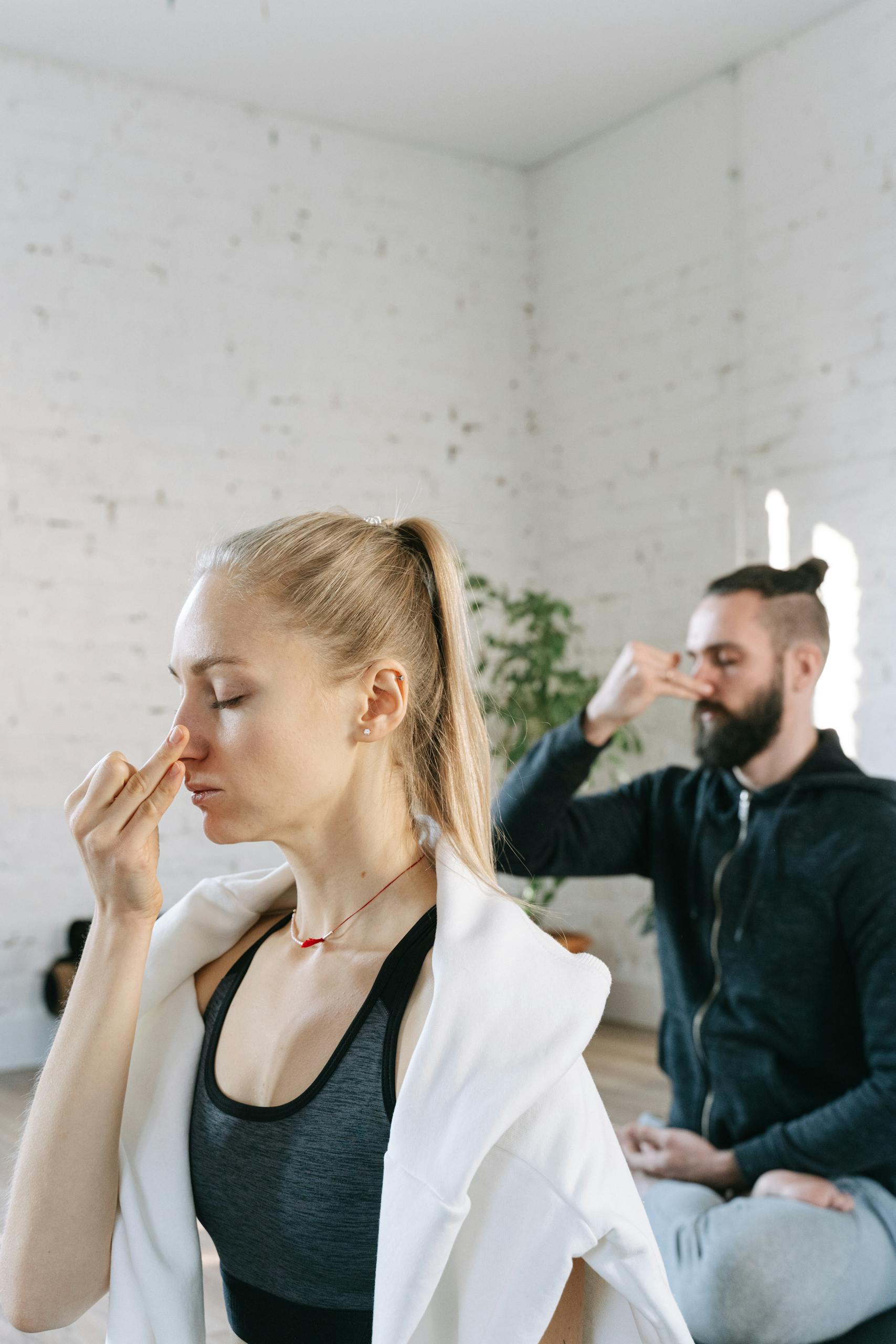
Tantric breathing, an ancient practice rooted in Eastern traditions, has gained increasing attention in the West for its potential to transform intimate relationships and overall well-being. This comprehensive guide goes into the science, techniques, and practical applications of tantric breathing, offering unique insights and actionable guidance for both beginners and experienced practitioners.
Historical and Cultural Context
Tantric breathing originates from the broader tantric traditions of India, dating back over 5,000 years. Key historical texts like the Vigyan Bhairav Tantra, compiled around 800 CE, detail various breathing techniques for spiritual and physical enhancement. Notable figures such as Osho and Diana Richardson have played significant roles in popularizing and adapting these practices for modern audiences.
Scientific Basis and Modern Research
Recent scientific studies have begun to validate the benefits of tantric breathing:
- A 2013 study published in the BioMed Central found that couples practicing tantric breathing techniques reported increased intimacy and sexual satisfaction.
- Neuroscientist Dr. Andrew Newberg’s research, using brain imaging technology, showed that tantric practices, including specific breathing techniques, can alter brain activity in areas associated with emotional regulation and sensory perception.
Dr. Lisa Williams, a clinical sexologist, notes: “Tantric breathing techniques can significantly impact the autonomic nervous system, promoting relaxation and enhancing sensory experiences. This physiological shift can lead to more profound intimate connections and potentially more intense orgasms.”
Advanced Techniques and Personalization
Beyond basic synchronized breathing, advanced practitioners can explore:
- Uddiyana Bandha Breathing: This technique involves a powerful abdominal lock that intensifies energy flow.
- Microcosmic Orbit Breathing: This practice focuses on circulating energy through specific pathways in the body.
Personalization is key. For example, Sarah and Tom, a couple in their 40s, found that combining circular breathing with gentle touch significantly enhanced their intimate experiences.
They tailored their practice by incorporating aromatherapy, which helped them relax and focus more deeply on their breath and sensations.
Integration with Other Wellness Practices
Tantric breathing can complement various wellness practices:
- Yoga: Incorporate tantric breathing into asana practice to deepen mind-body connection.
- Meditation: Use tantric breathing as a foundation for mindfulness meditation.
- Mindfulness: Apply the awareness cultivated in tantric breathing to daily activities for increased presence.
Holistic health practitioner Maya Chen suggests: “Combining tantric breathing with a regular or tantra yoga practice can amplify the benefits of both, leading to improved flexibility, emotional balance, and spiritual growth.”
Addressing Common Misconceptions
Let’s debunk some myths:
- Myth: Tantric breathing is only about sex. Fact: While it can enhance sexual experiences, tantric breathing is a holistic practice benefiting overall well-being.
- Myth: You need to be spiritually inclined to practice tantric breathing. Fact: Anyone can benefit from these techniques, regardless of spiritual beliefs.
- Myth: Tantric breathing requires hours of daily practice. Fact: Even short, regular sessions can yield significant benefits.
Practical Challenges and Solutions
Common challenges and their solutions include:
- Difficulty synchronizing breath: Start with shorter sessions and use visual cues like hand movements.
- Mind wandering: Incorporate a simple mantra or focus on a specific body part to anchor attention.
- Feeling self-conscious: Practice alone initially to build confidence before partnered exercises.
Mental Health Benefits
Tantric breathing can significantly impact mental health:
- Reduces anxiety by activating the parasympathetic nervous system
- Improves mood by increasing oxygenation and releasing endorphins
- Enhances emotional resilience through improved self-awareness
Psychologist Dr. Rachel Thompson shares: “I’ve seen patients experience remarkable improvements in managing stress and anxiety through regular tantric breathing practices. It provides a powerful tool for emotional regulation.”
Digital Resources and Tools
Several apps and online resources can support your tantric breathing practice:
- “Breathwrk” app: Offers guided sessions for individuals and couples.
- “Intimacy Builder” online assessments: Provides comprehensive tantric breathing tutorials with expert instruction.
Tantric breathing offers a powerful pathway to enhanced intimacy, improved well-being, and deeper self-awareness. By understanding its historical roots, scientific basis, and practical applications, you can harness this ancient practice to transform your relationships and overall quality of life. Whether you’re looking to deepen your connection with a partner, reduce stress, or explore your own sensuality, tantric breathing provides a accessible and effective tool for personal growth and intimate exploration.









&url=https://www.elfinview.com/tantric-breathing/&media=https://www.elfinview.com/wp-content/uploads/2026/08/Kantha-throw-blanket-1024x1024.jpg)
&url=https://www.elfinview.com/tantric-breathing/&media=https://www.elfinview.com/wp-content/uploads/2026/08/lightweight-cotton-throw-blanket-cream-1024x1024.jpg)
&url=https://www.elfinview.com/tantric-breathing/&media=https://www.elfinview.com/wp-content/uploads/2024/09/organic-stoneware-dinnerware-1024x1024.webp)
&url=https://www.elfinview.com/tantric-breathing/&media=https://www.elfinview.com/wp-content/uploads/2026/05/18-x-18-Pillow-Cover.jpg)
&url=https://www.elfinview.com/tantric-breathing/&media=https://www.elfinview.com/wp-content/uploads/2026/05/Mocha-Cable-Knit-Alpaca-Throw.webp)
&url=https://www.elfinview.com/tantric-breathing/&media=https://www.elfinview.com/wp-content/uploads/2026/05/Cozy-rust-cotton-throw-blanket.jpg)