
When I first moved into my own place, I remember standing in the bedding aisle, completely overwhelmed by the sea of sheet sets. The numbers on the packages seemed to mock me – 200, 400, 800 thread count. I felt like I needed a degree in textile engineering just to buy bed sheets! If you’ve ever felt the same way, you’re not alone. Let’s explore the mystery of thread count together and find out what really makes for comfy bedding.
What Does Thread Count Mean?
Thread count is the number of threads woven per square inch of fabric. It includes both vertical (warp threads) and horizontal (weft threads) threads.
For example:
- A 300 thread count sheet has 150 vertical and 150 horizontal threads per square inch
- A 600 thread count sheet has 300 vertical and 300 horizontal threads per square inch
But here’s where it gets tricky: some manufacturers use creative math to inflate these numbers. They might count plies (strands twisted together to form a single thread) separately, or use other tactics to make the thread count seem higher than it really is.
The Thread Count Range: From Low to Sky-High
Thread counts can range from as low as 80 to as high as 1,200 or even more. But don’t be fooled by those sky-high numbers. In most cases, anything over 400 is likely using some creative counting methods. Let’s break it down:
- 80-150: Low thread count, often found in budget sheets
- 180-300: Good quality sheets for most people
- 300-500: High-quality sheets like Egyptian cotton sheets
- 500 thread count or more: Luxury sheets (but be wary of inflated numbers)

Factors Affecting Bedding Softness
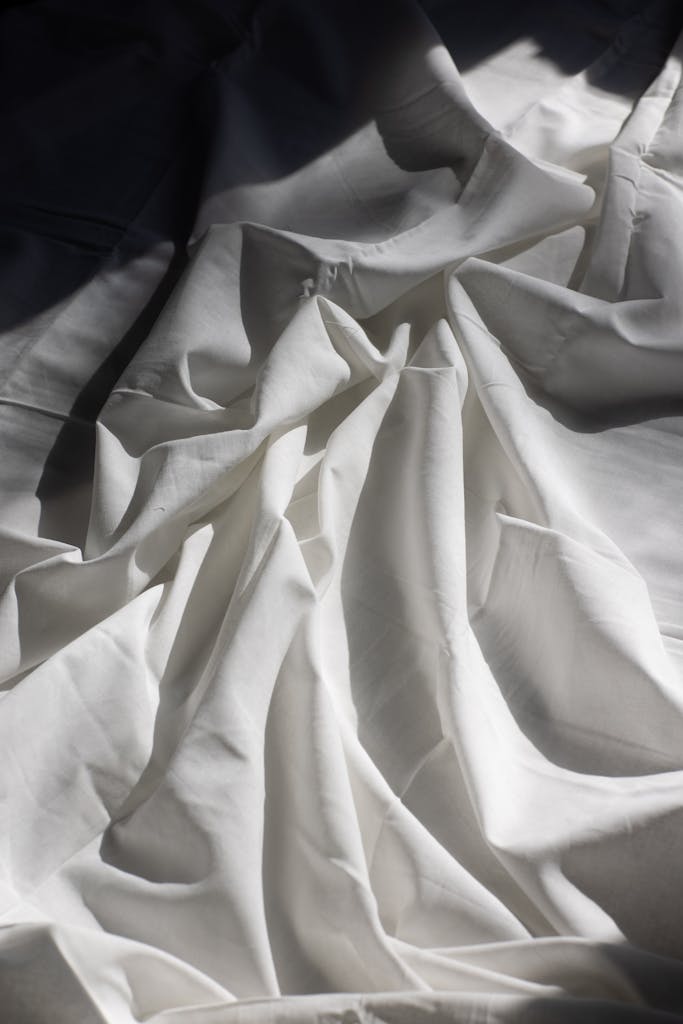
Thread count isn’t the only player in the game. Other factors impact how soft your sheets feel:
- Fiber quality
- Yarn size
- Weave type
- Finishing processes
Fiber Quality
The type and quality of fiber used can make a big difference:
- Long-staple cotton: Softer and more durable
- Short-staple cotton: Less smooth, prone to pilling
- Egyptian cotton: Known for its luxurious feel
- Supima cotton: Another high-quality option
- Percale sheets: Crisp and cool with a matte finish.
Yarn Size
The size of the yarn used in the fabric matters:
- Finer yarns: Smoother feel
- Thicker yarns: More durable but less soft
Weave Type
Different weaves create different textures:
- Percale weave: Crisp, cool feel
- Sateen weave: Silky smooth texture
- Jersey knit: T-shirt-like softness
Finishing Processes
How the fabric is treated after weaving can affect its feel:
- Mercerization: Increases strength and luster
- Brushing: Creates a soft, fuzzy surface
Your Bedding Recommendations
-
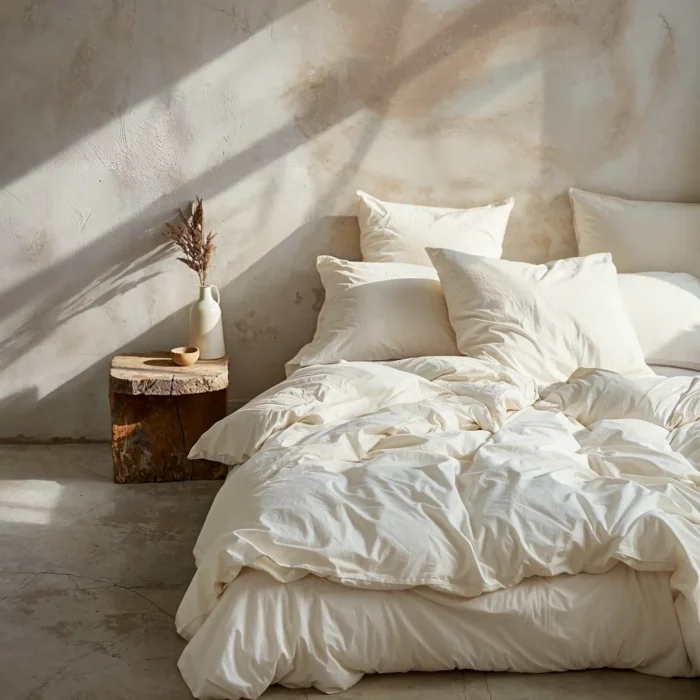
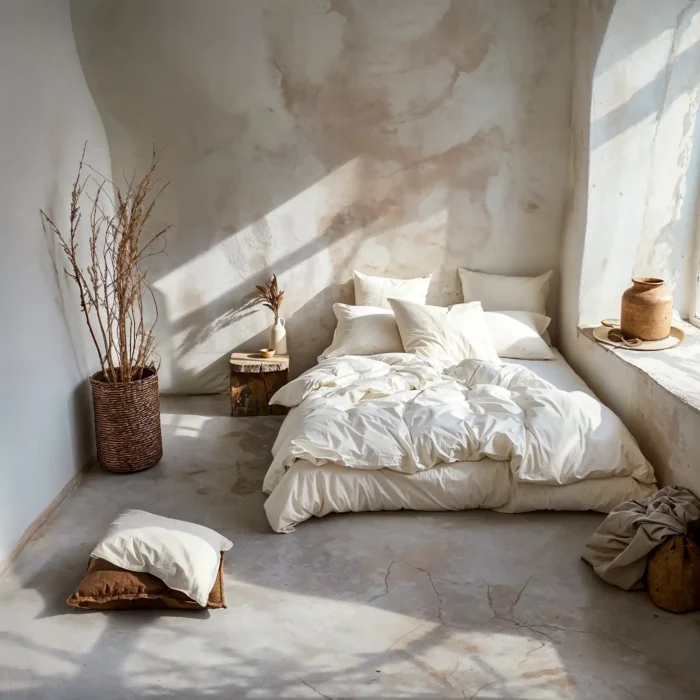
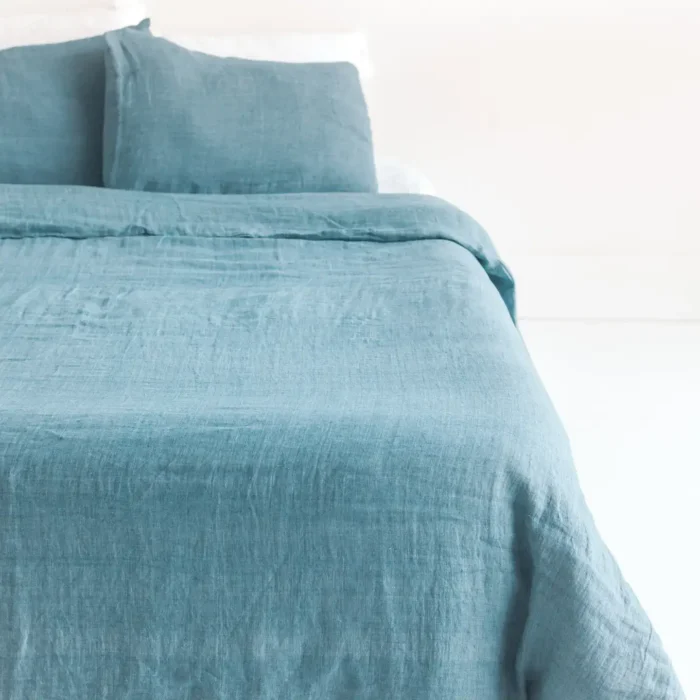
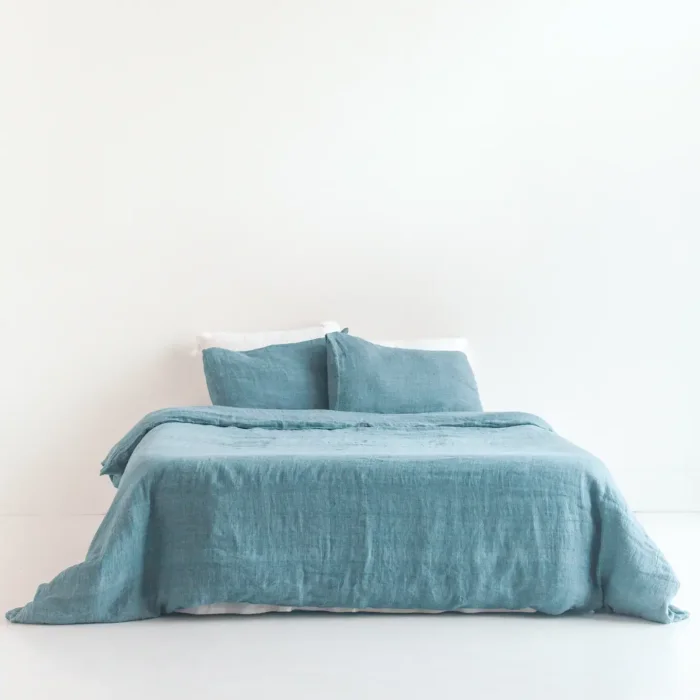
 White Cotton Duvet Cover – Organic Cotton – BlaynkPrice range: $140.00 through $165.00
 -
-
 Organic Cotton Sheet Set – 300 Thread Count Sateen | BlaynkPrice range: $139.00 through $180.00

Is a Higher Thread Count Better?
Not always! A higher thread count doesn’t guarantee better quality. Here’s why:
- Some manufacturers use creative counting methods to inflate numbers
- Very high thread counts can make fabric less breathable
- Quality of fibers matters more than quantity
In the spirit of free enterprise, some manufacturers use thread count as a marketing ploy. They might twist thin, lower-quality yarns together to boost the thread count without improving the fabric’s feel or durability.
What is the Best Thread Count for Sheets?
The sweet spot for thread count typically falls between 200-400. This range offers a good balance of softness, durability, and breathability.
Here’s a quick guide:
| Thread Count | Quality | Best For |
|---|---|---|
| 200-300 | Good | Hot sleepers, budget-conscious shoppers |
| 300-400 | Better | Most sleepers, year-round use |
| 400-600 | Luxury | Cold sleepers, those who prefer heavier sheets |
Remember, these are general guidelines. The best thread count for you depends on your personal preferences and sleeping habits.
Beyond Thread Count: Other Types of Sheets
Thread count isn’t the only measure of sheet quality. Some materials use different standards:
Flannel Sheets
Measured in GSM (grams per square meter) rather than thread count. A good flannel sheet typically ranges from 150-170 GSM.
Microfiber Sheets
Also measured in GSM. Quality microfiber sheets usually range from 90-120 GSM.
Jersey Cotton Sheets
These are knit rather than woven, so thread count doesn’t apply. They’re often compared to t-shirt material.
Linen Sheets
Linen is measured by weight rather than thread count. Good quality linen sheets typically weigh between 150-180 GSM.
Silk
Silk is measured in momme, which refers to the weight of 100 yards of silk that’s 45 inches wide. Good quality silk sheets usually range from 17-22 momme.
Bamboo
Bamboo sheets are often blended with cotton and can be measured in thread count. A good range for bamboo sheets is 300-500 thread count. Although 400 thread count is quite nice.
Also Read>> How to Remove Lint from Bed Sheets
The Best Sheets to Buy
When shopping for sheets, look beyond thread count. Consider:
- Fiber type (Egyptian cotton, Supima cotton, bamboo, linen, etc.)
- Weave (percale for crisp, sateen for silky)
- Your sleeping experience (hot sleepers might prefer lower thread counts)
- Budget (higher thread count often means a higher price tag)
- Care instructions (some fabrics require more careful washing)
Let’s break down some popular options:
Cotton Sheets
Cotton is a popular choice due to its softness, durability, and breathability. Look for long-staple cotton for the best quality.
Linen Sheets
Linen is known for its durability and gets softer with each wash. It’s great for hot sleepers due to its excellent breathability.
Bamboo Sheets
Bamboo sheets are eco-friendly and naturally antimicrobial. They’re often as soft as high-quality cotton.
Silk Sheets
Silk is luxurious and naturally temperature-regulating. It’s also hypoallergenic, making it great for sensitive skin.
Microfiber Sheets
Microfiber is budget-friendly and resistant to wrinkles and stains. However, it’s not as breathable as natural fibers.
How to Shop for Sheets: Tips and Tricks
- Feel the fabric: If possible, touch the sheets before buying. The feel is often more important than the thread count.
- Check the weave: Percale is crisp and cool, while sateen is silky and warm.
- Look at the fiber content: 100% cotton is usually a safe bet, but blends can offer unique benefits.
- Consider your climate: Lighter sheets for warm climates, heavier for cooler areas.
- Read reviews: Other shoppers’ experiences can provide valuable insights.
- Don’t be swayed by high thread counts: Remember, anything over 400 might be using creative counting methods.
- Check the return policy: Some companies offer trial periods for bedding.
The Bottom Line on Thread Count
Thread count can be a useful indicator of sheet quality, but it’s not the be-all and end-all. A 300 thread count sheet made from high-quality, long-staple cotton might feel much nicer than a 1000 thread count sheet made from lower quality fibers.
Remember, the best sheets are ones that feel good to you and fit your needs. Don’t get caught up in the thread count buzzword – it’s just one piece of the puzzle. Consider the fabric, the weave, and your personal preferences when choosing sheets.
By understanding thread count and other factors, you can make smarter choices for your bedding.