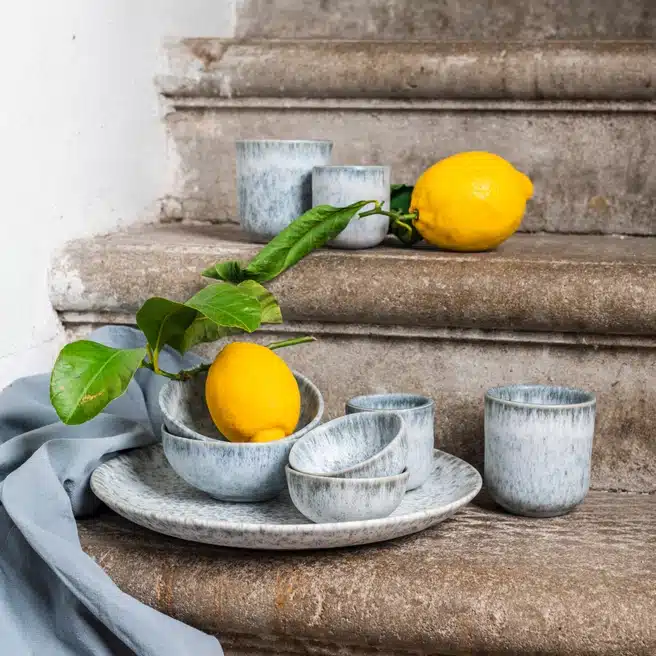
Whether you’re setting up your first kitchen or looking to upgrade your dining set, picking out the perfect stoneware is crucial for both its aesthetic appeal and functional use.
And once you’ve invested in these beautiful pieces, knowing how to maintain them can keep them on your table for generations.
In this article, we’ll guide you through selecting quality stoneware that suits both your style and practical needs while providing valuable tips on preserving their beauty over time.
What is stoneware?
Stoneware is a type of ceramic clay fired at high temperatures, resulting in durable kitchenware with earthy tones and rustic appeal.
What to Look For when Buying Stoneware?
When buying quality stoneware, it’s important to look for the right weight, color, texture, and durability. Also consider heat resistance and design to ensure you’re getting a piece that will last for years to come.

What to Look For
- Weight: Pick up the stone. It should feel sturdy but not too heavy.
- Color: Look at the color. Good stoneware has a rich, even tone without dark spots.
- Texture: Run your hand over it. The surface should be smooth with no bumps or cracks.
- Durability: Tap the side gently. You want a solid sound, showing strength.
- Heat Resistance: Make sure it’s oven-safe. This means you can bake with confidence.
- Design: Choose a style you like. Think about if it fits with your kitchen and dishes.
breakdown of these essential characteristics of good stoneware
| Aspect | Details to Consider |
|---|---|
| Weight | Quality stoneware has a substantial feel, indicating good heat retention and robustness. |
| Color | Choose a color that appeals to you and suits your decor, but also check for consistency and finish quality. |
| Texture | The texture should be smooth, especially if glazed, to ensure easy cleaning and even cooking. |
| Durability | High durability ensures resistance to chipping and cracking. Stoneware’s durability makes it oven-safe for baking. |
Remember, while glazed stoneware is generally dishwasher friendly, stoneware requires careful handling.
Seasoning before use can extend its life, and checking for dishwasher safety before purchase saves future hassle.
Always opt for stoneware that maintains its integrity through repeated use.
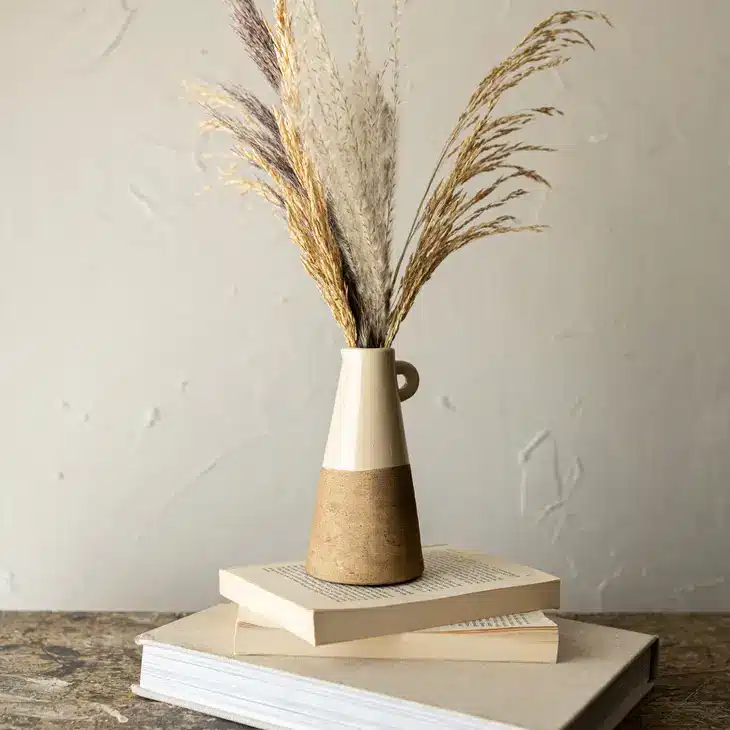
Heat Resistance, Design
Stoneware should have high heat resistance for baking and cooking. Look for stoneware that can withstand at least 500°F in the oven.
This ensures its durability and versatility in various cooking tasks, making it a reliable choice for your kitchen needs.
Additionally, consider the design of the stoneware pieces you’re buying.
Opt for designs that suit your personal style and complement your existing dinnerware or kitchen decor.
The right combination of heat resistance and appealing design will make your stoneware a functional and aesthetic addition to your culinary arsenal.
How to Care for Stoneware
When it comes to caring for your stoneware, handwashing is best to ensure its longevity.
Handwash, handwash, handwash!
When caring for stoneware, handwashing is best to maintain its durability and prevent potential damage from harsh dishwasher cycles.
This practice helps preserve the integrity of the stoneware’s glaze and ensures a longer lifespan for your beloved pieces.
Additionally, handwashing allows for more thorough cleaning, ensuring that all food residues and oils are completely removed, promoting better hygiene with each use.
To properly care for your stoneware, keep in mind that gentle handwashing remains the most effective method in maintaining its quality.

Microwave and Dishwasher Safety
Stoneware should be carefully examined for its microwave and dishwasher safety features before purchase.
While glazed stoneware is generally safe for the dishwasher, unglazed or partially glazed stoneware may not be suitable.
It’s important to refer to the manufacturer’s guidelines and product information to determine the compatibility of stoneware with microwaves and dishwashers.
When in doubt, it is best to handwash stoneware to preserve its durability and longevity.
When using stoneware in a microwave, ensure it is labeled as microwave-safe by the manufacturer.
Avoid sudden temperature changes by refraining from placing cold stoneware directly into a hot oven or microwave as this can cause breakage.
Recommended Care Techniques
To keep stoneware in top shape, follow these care techniques:
- Handwash stoneware to maintain its quality and prevent damage from harsh dishwasher cycles.
- Use a baking soda paste for deep cleaning to remove stubborn stains and odors.
- Season stoneware with oil before first use to enhance its non – stick properties and improve longevity.
- Avoid sudden temperature changes, such as placing hot stoneware directly under cold water, to prevent cracking.
- Store stoneware pieces carefully to avoid chipping or breakage, and consider cushioning between them if stacking.
Where to Buy Quality Stoneware
Visit sustainable retailers such as local pottery studios or ethical online stores like Elfin View for quality stoneware that aligns with your values.
Sustainable Options
When looking for sustainable stoneware options, consider brands that prioritize eco-friendly materials and production processes.
Look for stoneware made from natural clay and non-toxic glazes to ensure minimal environmental impact while also being safe for everyday use.
To reduce waste, choose stoneware pieces that are durable and versatile, serving multiple functions in the kitchen to minimize the need for additional cookware.
Additionally, seek out companies that offer recycling or take-back programs for old or broken stoneware pieces, contributing to a more sustainable approach to kitchenware consumption and disposal.
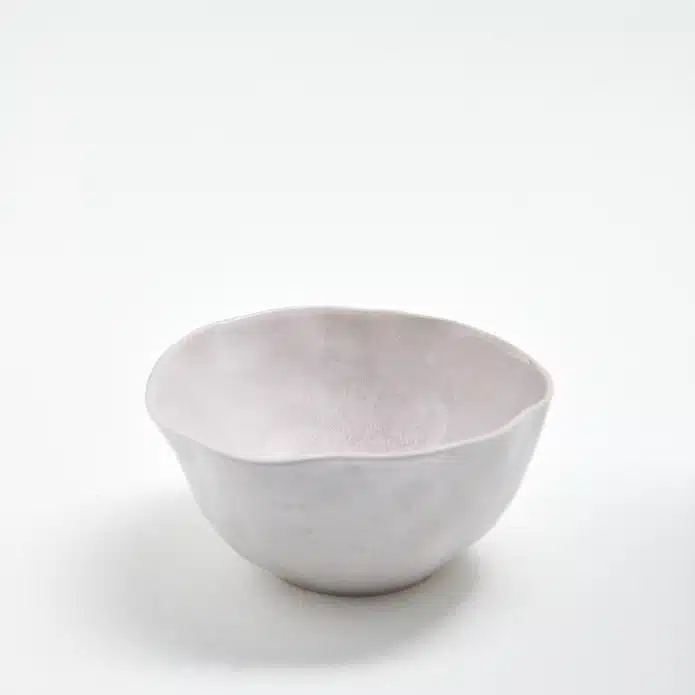
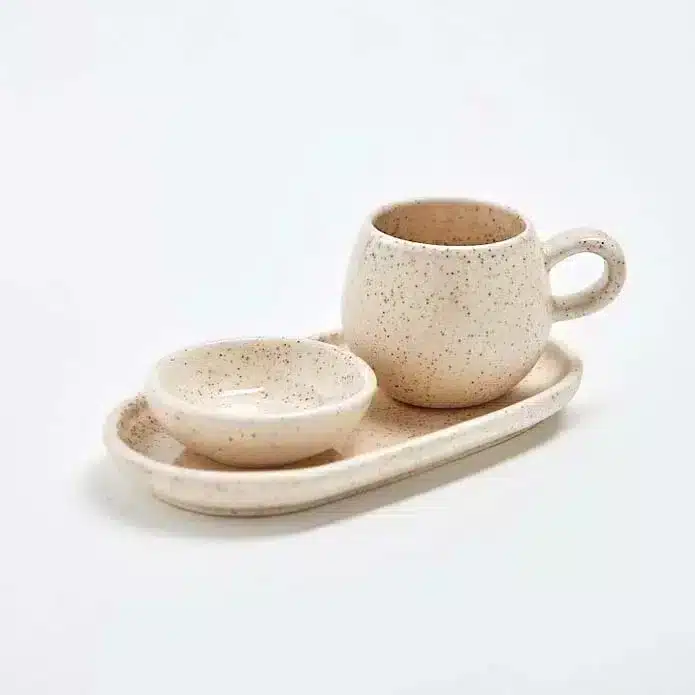
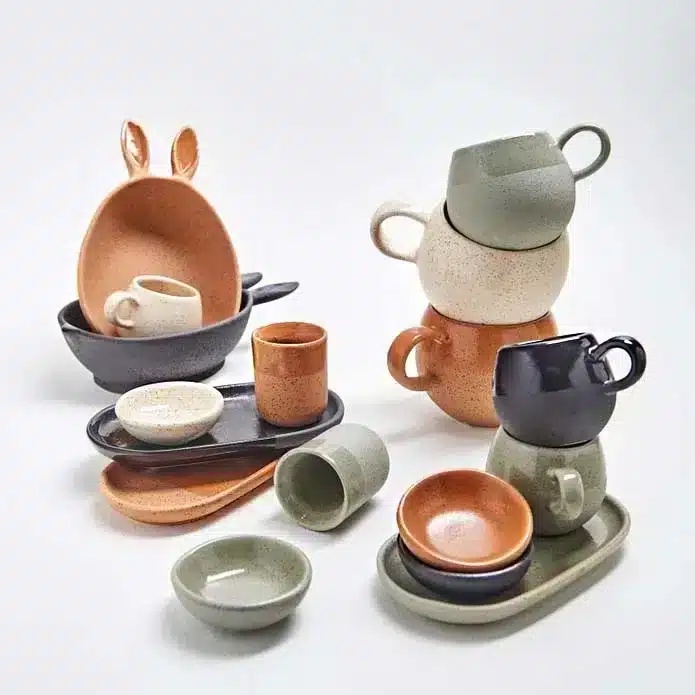
Our Favorite green conscious stoneware pieces
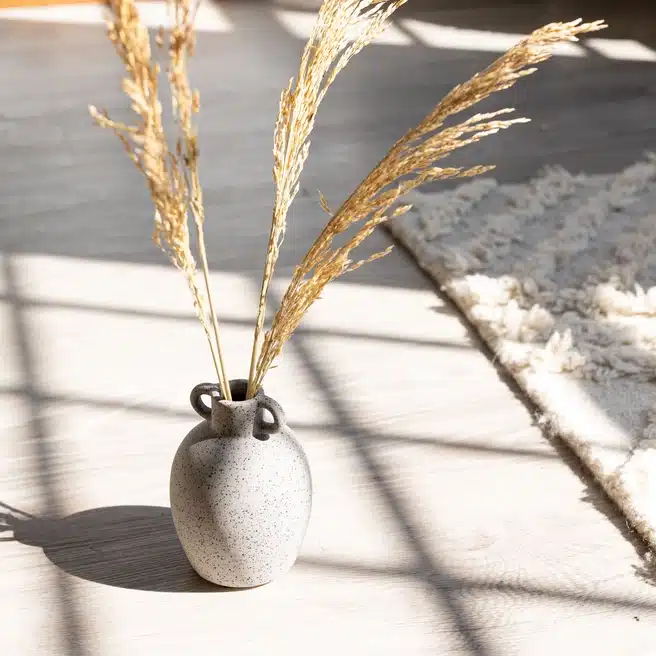


Tips on Caring for Specific Types of Stoneware
Learn the best care techniques for glazed, unglazed, and fully glazed stoneware to ensure longevity and performance. Each type requires specific cleaning and maintenance methods to keep them in top condition.
Glazed Stoneware
Glazed stoneware is a low-maintenance option, safe for the dishwasher. It’s durable and resistant to scratches, making it ideal for everyday use.
Using mild soap and water is recommended when cleaning glazed stoneware to preserve its glossy finish.
To maintain its appeal, avoid sudden temperature changes that can cause cracks and breakage. Baking with glazed stoneware results in crispy crusts due to its even heat distribution.
Remember, seasoned stoneware ensures better food release and prevents staining. When baking with high-fat ingredients like butter or oil, this helps build up the natural non-stick properties of the glaze over time.
Unglazed Stoneware
For those seeking a more natural and rustic approach to stoneware, unglazed options provide a unique appeal.
While unglazed stoneware does not offer the same level of non-stick properties as glazed stoneware, it excels in moisture absorption and provides a distinct earthy aesthetic.
When caring for unglazed stoneware, gentle handwashing is essential to prevent staining and preserve its porous surface.
Additionally, avoid using harsh chemicals or abrasive scrubbers that can compromise the integrity of the material.
To ensure longevity, thoroughly dry the unglazed stoneware after washing to prevent moisture retention.
Incorporating occasional baking with high-fat items aids in seasoning the surface and further enhances its natural non-stick attributes.
Remember to season unglazed stoneware before initial use to enhance its performance and durability over time. This process involves rubbing vegetable oil onto the entire surface before placing it in an oven at a low temperature for an hour.
Fully Glazed Stoneware
Fully glazed stoneware is a low-maintenance option, as it is dishwasher safe and does not require seasoning. It’s ideal for everyday use due to its easy cleaning process, making it a convenient choice for busy households.
Additionally, fully glazed stoneware offers a variety of designs and colors to suit different kitchen aesthetics and preferences.
When purchasing fully glazed stoneware, look for vibrant patterns that complement your dining table or kitchen decor.
The heat resistance of fully glazed stoneware makes it suitable for both baking and serving various dishes, adding versatility to your cookware collection.
Your Personal Recommendations
-

-
Handmade Ceramic Mug 8.5 Oz$25.00
-
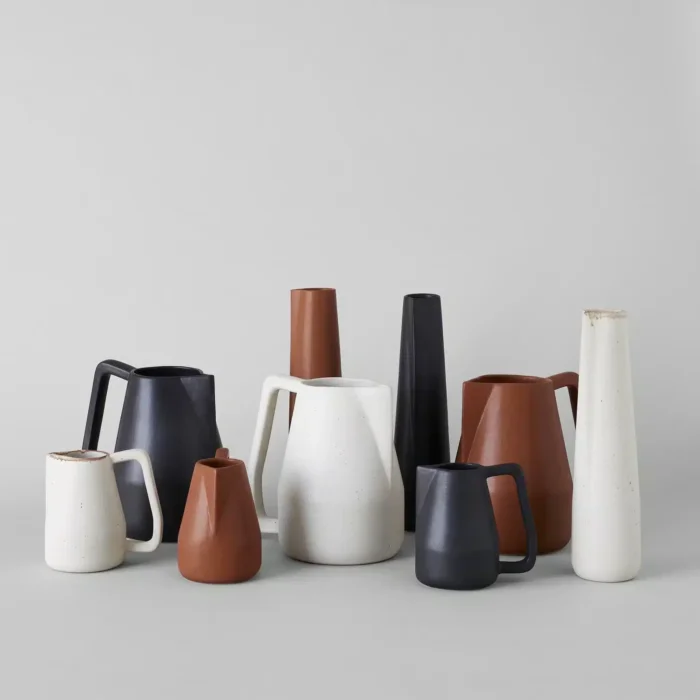
 Handmade Ceramic Pitcher – by SyzygyPrice range: $40.00 through $60.00