A Brief History | Why Is Sustainable Living Important? | Conclusion
Sustainable living is making choices that reduce your negative impact on the planet. Think of it like this: it’s like being a good neighbor to Earth. You wouldn’t trash your neighbor’s yard, right?
So, why do it to our global home?
Where Did This “Sustainability” Word Come From Anyway?
The term “sustainability” has been around for a hot minute. It became popular in 1987 after a report from the United Nations called the Brundtland Report defined it as:
“Sustainable development is development that meets the needs of the present without compromising the ability of future generations to meet their own needs.”
Yeah, it’s a mouthful, but it’s basically saying let’s not be greedy and think about tomorrow, too.
The Three Pillars of Sustainable Living
So, when people chat about sustainability, they often talk about three main pillars: Economic, Social, and Environmental. Let me break it down:
1. Economic
This pillar is about creating stable and well-paying jobs, supporting local economies, and just generally not being wasteful. Like, do you really need a new phone every year? Nah!
2. Social
This is where fairness and equality come in. It’s all about social justice, baby! Making sure that everyone—regardless of their background—has access to basic human rights and opportunities.
3. Environmental
This one’s pretty straightforward. It’s about reducing our impact on the planet. You know, less waste, cleaner air, and saying “see ya” to single-use plastics.
By focusing on these three pillars, you’re not just being good to the Earth—you’re also being good to its people, and that includes you!
So, there you have it! Sustainable living isn’t some lofty, unattainable goal. It’s all about making mindful choices that benefit not just you, but everyone around you. And the best part? It starts with small steps. Ready to take one?
The Facts and Figures
When it comes to sustainable living, the facts and figures tell us a lot about why it’s so important.
Global Climate Change Stats: Earth Is Spilling the Tea
CO2 Emissions
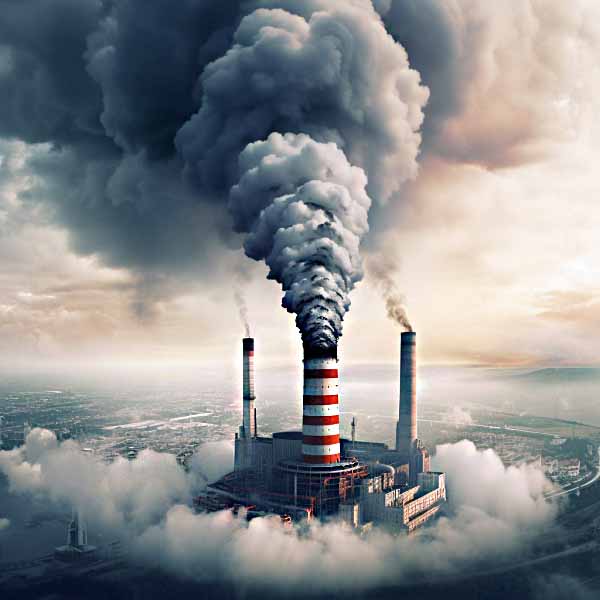
Did you know that in 2019, global CO2 emissions reached a staggering 33.1 gigatons? Our daily habits, like driving gas-guzzlers and using energy-hogging appliances, directly contribute to this.
Deforestation Rates
About 18.7 million acres of forests are lost each year. That’s roughly the size of Panama! So when you opt for that sustainable bamboo toothbrush over plastic, you’re making a difference.
Health Benefits
Lower Cancer Risks
Many synthetic products, from cleaners to beauty products, contain harmful chemicals that have been linked to cancer. Going green often means going chemical-free.
Better Air Quality
Fun fact: indoor air pollution can be worse than outdoor pollution. Eco-friendly cleaning products and plants can drastically improve the air you breathe at home.
Economic Benefits
Energy Savings
Switching to energy-efficient appliances or just being mindful about turning off lights can save you hundreds of dollars a year.
Lower Grocery Bills
Growing your own herbs or buying in bulk reduces packaging and costs. Plus, seasonal and local foods are usually cheaper and fresher. How Did We Get Here?
Ever wondered how we ended up in this hot mess of climate change and overconsumption?

Traditional Styles of Living
Farm-to-Table, But Make It Exhaustive
Once upon a time, most people lived off the land. Sounds idyllic, right? Well, not quite. Traditional farming often involved methods that were not exactly eco-friendly—think slash-and-burn agriculture.
The Cars We Drive
Gasoline-powered cars became all the rage in the 20th century. At that time, no one really thought about the long-term environmental impact. Now we know better—hello, electric cars!
The Industrial Revolution: The Start of Something New (But Not So Great)
Smoke and Mirrors
The Industrial Revolution in the 18th and 19th centuries drastically changed society. But those factories also pumped out a ton of pollution. It was like everyone was so wowed by the machines that they forgot about the smoke!
The Aftermath
After the Industrial Revolution, we got things like air pollution, water pollution, and even child labor. So while it advanced society, it also left us with a hot mess to clean up.
Consumerism Culture
The Shopping Spree Trap
Post-WWII America saw a boom in consumer culture. Suddenly, it was all about having the latest and greatest of everything. Except, guess what? More stuff often means more waste.
The “Throwaway” Mentality
This culture made it normal to replace rather than repair. That old toaster broke? Toss it and get a new one. But where does all that waste go? Yep, you guessed it—landfills.
The “Keeping Up with the Joneses” Syndrome
Social pressures to have the latest gadgets or fashion trends keep us in a cycle of constant buying. But what cost does this have on our wallets and our planet?
So, now that we know how we got here, it’s easier to see the patterns we need to break.
Traditional lifestyles and industrial advances got us into this, but we’ve got the power to change course.
Sustainable living isn’t just a fad—it’s a necessity. And remember, the first step to fixing a problem is understanding how it started.
Why Should You Care?
The Legacy We Leave: Think About the Next Generations
I don’t know about you, but I want my child to grow up in a world where they can breathe clean air and swim in clean oceans. And I’m sure you want the same for your family.
You can make sustainable living a family project. It’s a great way to instill these values in the next generation. Plus, kids have a way of holding us accountable, don’t they?
Reading Recommendation:
Collective Impact
Ever think your little changes don’t matter? Think again! When millions of people make small changes, it adds up to something big. It’s like that old saying—many drops make an ocean.
Community Vibes
From local clean-up efforts to community gardens, getting involved locally amplifies the positive impact. Plus, there’s something super fulfilling about seeing your community glow up, right?
Ethical Considerations
Social Justice and Sustainability Go Hand in Hand
When we talk about sustainability, we’re also talking about creating a fairer world. That means access to clean water, healthy food, and good jobs for everyone. It’s not just an “environmental thing”; it’s a “humanity thing.”
The Bigger Picture
Our choices affect not just us, but also the plants, animals, and even the climate. That’s a lot of responsibility, but also a lot of power to do good.
So, if you’ve ever questioned why you should care about sustainable living, just remember: it’s not only about preserving the Earth, but also about improving life for everyone who calls this planet home.
And trust me, your kiddo will thank you for it one day.
Conclusion
Why Is Sustainable Living Important
Sustainable living is all about making mindful choices that benefit you, your community, and yes, the planet. It’s about legacy, health, and even your wallet. It’s multi-layered and deeply connected to how we live, work, and play.
You Ready? Take the First Step!
No one’s asking you to change your whole life overnight. Start small. Swap out that plastic toothbrush for a bamboo one.
Turn off the lights when you leave a room. Trust me, the small stuff adds up.
Books to Read
Podcasts to Listen To
Websites to Bookmark
And there you have it! Sustainable living is more than a hashtag; it’s a lifestyle that’s good for us and the generations to come. So, are you ready to make a change? Because the time to start is now.