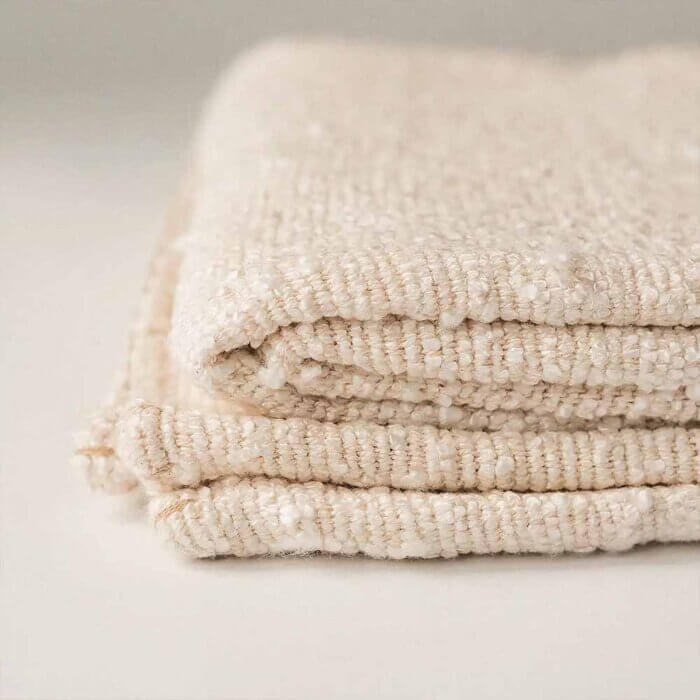

Let me tell you about my new obsession: linen sheets! I recently made the switch, and it has completely transformed my sleep.
If you’re thinking about upgrading your bedding, here’s what you need to know about how to choose linen sheets and how to choose bedding that’s perfect for you.
Why Choose Linen Sheets?
Linen sheets are very popular for some key reasons. They can help you get better sleep. Here’s what makes linen sheets a great choice.
1. Temperature Regulation
Linen is fantastic for keeping your body comfortable. It regulates temperature, so it keeps you cool in the summer and cozy in the winter.
Did you know that linen can absorb up to 20% of its weight in moisture before feeling damp?
This helps keep you cool and dry all night long. Linen’s structure allows air to flow freely, making it perfect for hot sleepers and warm climates
2. Durability and Longevity
Linen is incredibly durable. It’s 30% stronger than cotton, making it one of the toughest natural fabrics available ). I’ve had my set for a few months now, and it still looks and feels brand new.
My mom even has some linen sheets she’s been using for years, and they’re still in great shape. With proper care, your linen bedding can last for decades, making it a worthwhile investment in your sleep quality and comfort.

What to Look for When Shopping for Linen Sheets
Quality of Linen
Not all linen is created equal. Always go for European flax, especially from Belgium or France. They produce the highest quality linen that’s softer and more durable (Sleep Foundation).
Thread Count
Thread count matters too. Aim for something between 80 and 200. I know it sounds low compared to cotton, but trust me, it’s perfect for linen. I love a medium-weight linen around 185 gsm – it’s great for breathability and coziness.
Style and Design
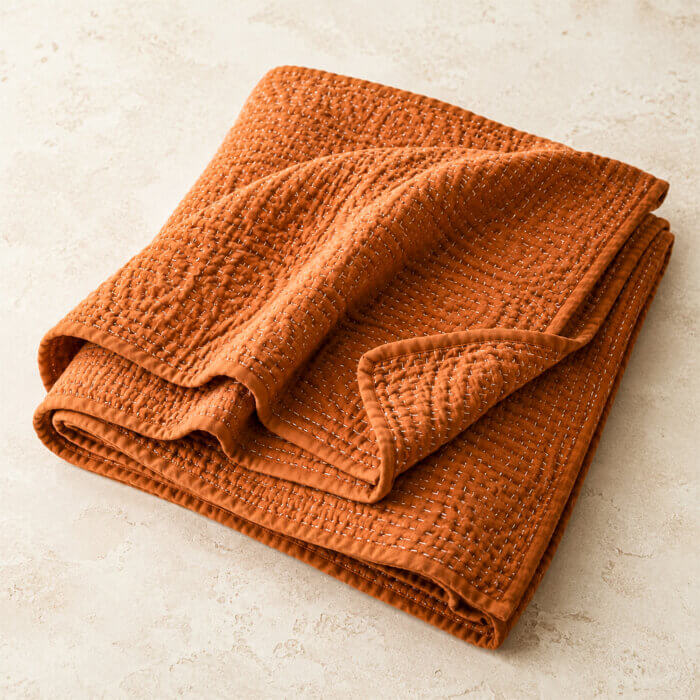
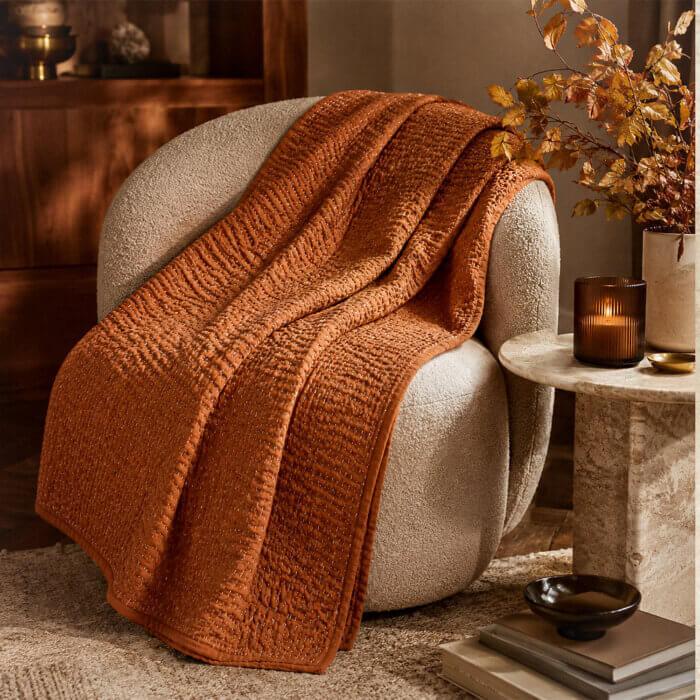
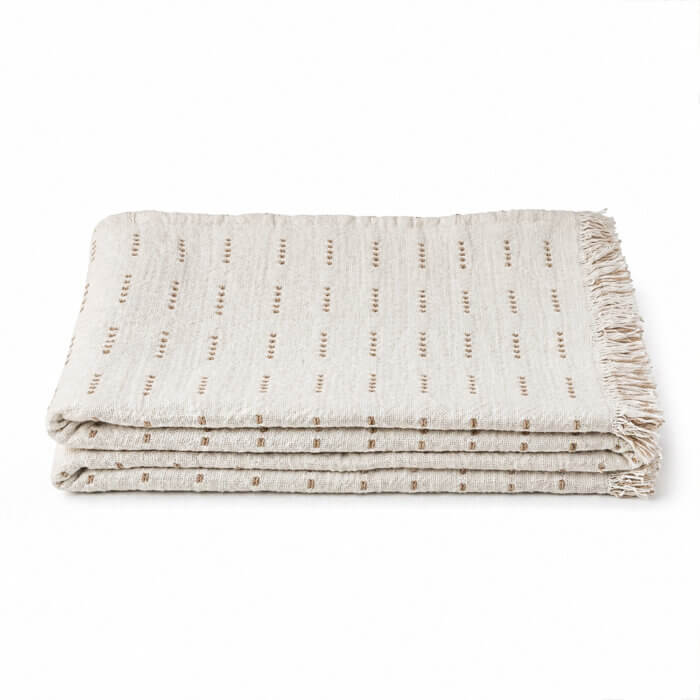
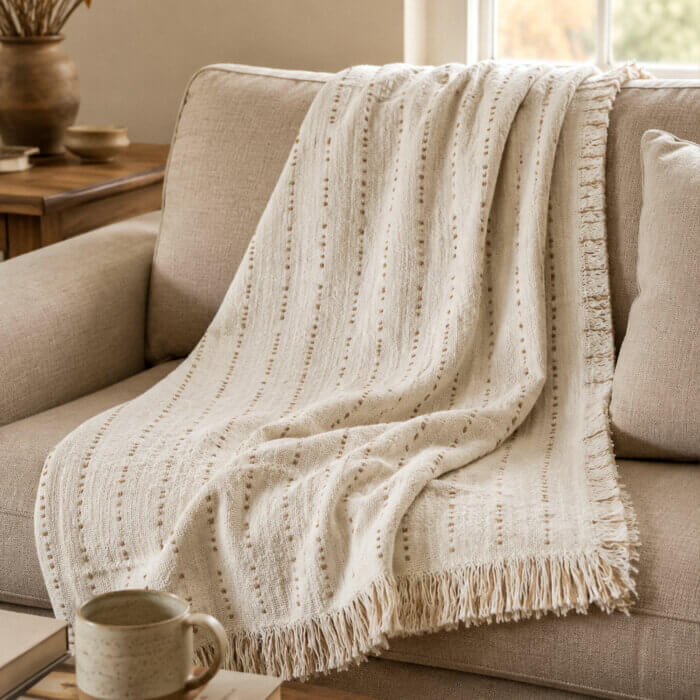
When it comes to color and design, there are so many options! From classic plain weaves to intricate patterns, linen bedding comes in various textures and finishes. I’m loving the earthy, muted tones trending for 2024.
They give my bedroom a calming, natural vibe. But if you prefer something bolder or more classic, there’s definitely a linen option for you
Eco-Friendliness and Certifications
Look for certifications like OEKO-TEX or GOTS. This way, you know your bedding is eco-friendly and free from harmful chemicals. Linen is already a sustainable choice since it requires 60% less water and fewer pesticides to grow compared to cotton.
Also Read>> How Often Should You Replace Cotton Sheets?
Caring for Your Linen Sheets
Taking care of your linen sheets is easy. Wash them separately in cold or lukewarm water (no higher than 40°C/104°F) with a mild detergent, and either air dry or tumble dry on low heat (BHG) (Bed Bath N’ Table). This helps prevent shrinkage and keeps your linen looking great.
If you want a crisp finish, you can iron them on medium-high heat, but I love the relaxed, slightly wrinkled look – it adds character!
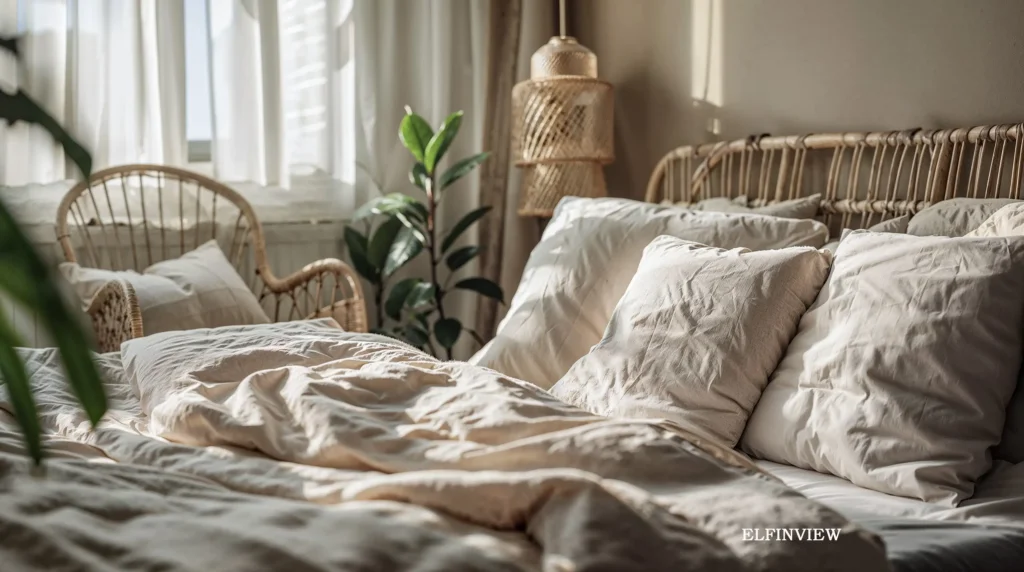
Comparison with Other Bedding Materials
Linen vs. Cotton
- Comfort: Linen is more breathable and moisture-wicking, making it ideal for hot climates. Cotton is soft but doesn’t regulate temperature as well.
- Durability: Linen is stronger and lasts longer, while cotton may wear out more quickly.
- Maintenance: Both are easy to care for, but linen’s natural wrinkles add charm, while cotton often needs ironing.
Linen vs. Silk
- Comfort: Silk is smooth and luxurious but can feel slippery. Linen offers a more textured, breathable feel.
- Durability: Linen is more durable than silk, which is delicate and requires careful handling.
- Cost: Silk is generally more expensive than linen.
Linen vs. Bamboo
- Comfort: Bamboo is soft and breathable, but linen is better at wicking moisture.
- Eco-Friendliness: Both are sustainable choices, but linen has a lower environmental impact.
- Durability: Linen is typically more durable than bamboo fabric.
Seasonal Benefits and Usage
Linen sheets are great year-round:
- Summer: Linen’s breathability and moisture-wicking properties keep you cool and dry.
- Winter: Linen’s natural insulation keeps you warm without overheating.
- Spring and Fall: Its temperature-regulating qualities make it perfect for transitional weather.
Visual and Textural Differences
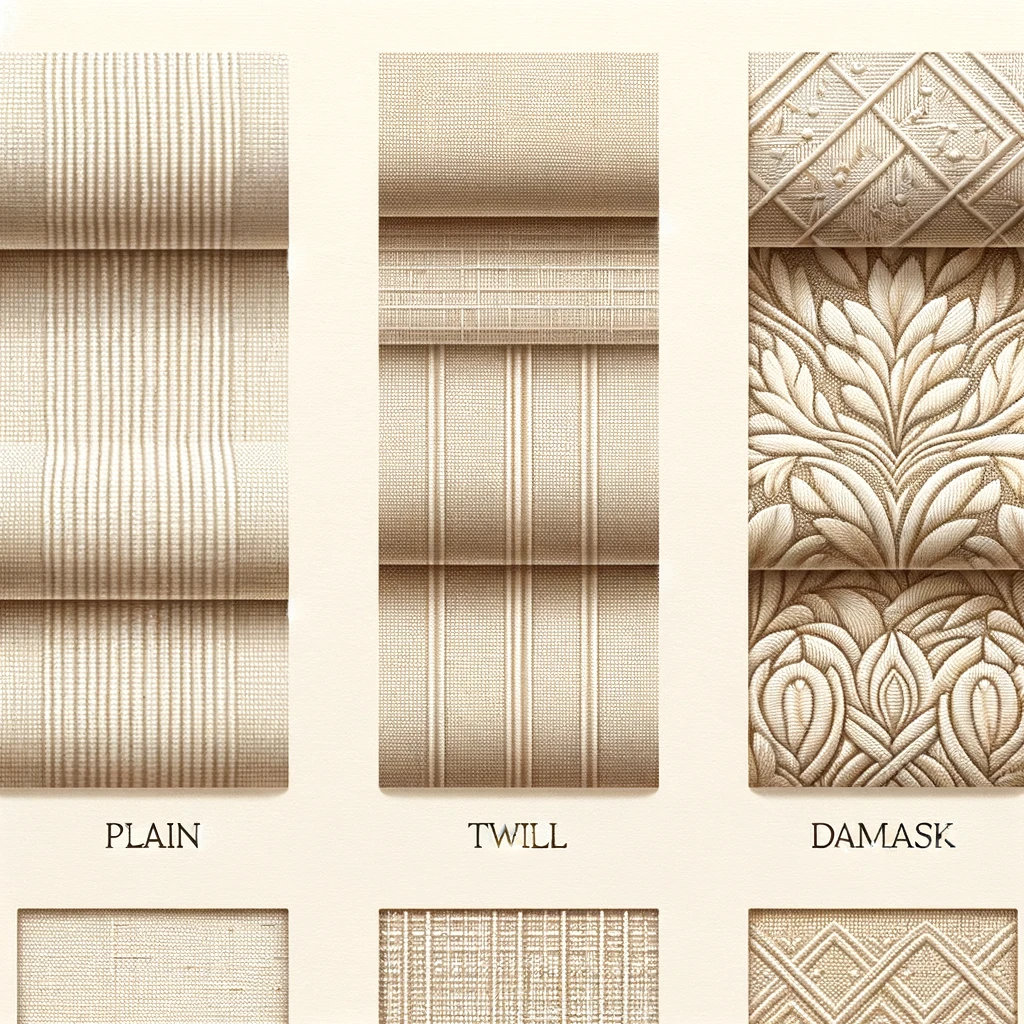
Linen comes in various weaves and finishes:
- Plain Weave: Simple and smooth, great for a minimalist look.
- Twill Weave: Diagonal rib pattern, more durable and textured.
- Damask Weave: Intricate patterns, adding a touch of elegance.
Health Benefits
Linen’s health benefits include:
- Hypoallergenic Properties: Great for those with allergies since it resists dust mites and mold .
- Moisture-Wicking: Keeps skin dry and can prevent irritation.
- Breathability: Helps maintain a comfortable body temperature, promoting better sleep.
How to Choose Bedding Colors
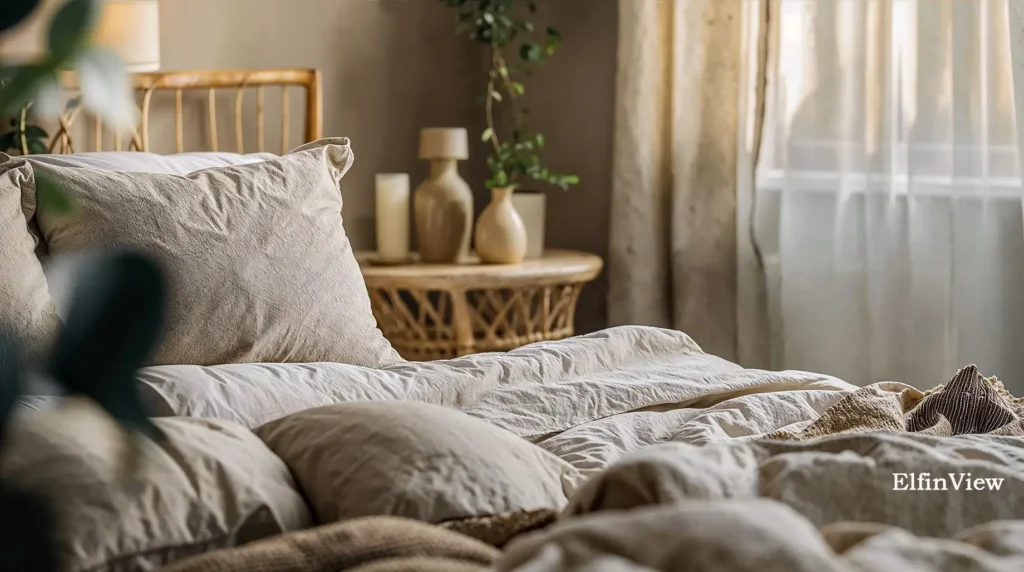
Choosing the right bedding colors can set the mood for your entire bedroom.
Here are some tips:
- Neutral T tones: Colors like white, beige, and gray can create a calm and relaxing environment. These shades are versatile and can match any decor.
- Earth Tones: Greens, browns, and soft yellows bring a natural, grounded feel to your space. They are perfect for a soothing, nature-inspired look.
- Bold Colors: If you want to make a statement, go for deep blues, rich reds, or vibrant purples. These colors can add personality and warmth to your room.
- Mix and Match: Don’t be afraid to mix patterns and colors. Combine solids with stripes or floral prints to create a unique and personalized look.
Cost Analysis and Budget Tips
Linen sheets can be an investment, but there are options for every budget:
- High-End: Brands like Cultiver offer luxurious, long-lasting linen.
- Mid-Range: Brooklinen and Parachute provide great quality at a reasonable price.
- Budget-Friendly: Look for sales, discounts, or consider linen-cotton blends for a more economical option.
Environmental Impact and Sustainability
Linen is one of the most eco-friendly bedding materials:
- Biodegradability: Linen is fully biodegradable and doesn’t add to landfill waste.
- Sustainable Farming: Flax, the plant linen comes from, requires fewer resources than cotton.
- Lifecycle: Linen products last a long time, reducing the need for frequent replacements.
Maintenance Myths and Facts
| Myth | Fact |
|---|---|
| Linen is hard to care for. | Linen is easy to care for. Just follow simple washing and drying instructions |
| Linen needs to be ironed. | Linen’s natural wrinkles add to its charm. Ironing is optional. |
| Linen wears out quickly. | Linen is one of the most durable fabrics and gets softer with each wash. |

DIY and Customization Tips
Personalize your linen sheets with these ideas:
- Dyeing Techniques: Try natural dyes for unique colors.
- Embroidery: Add custom designs or monograms for a personal touch.
- Mix and Match: Combine different linen pieces and colors for a custom look.
Knowing how to choose linen bedding is a game-changer for your sleep quality. Linen sheets are temperature-regulating, durable, and eco-friendly, making them a perfect choice year-round. Remember to look for European flax, check the thread count, and choose styles and colors that suit your vibe.
By considering these tips, you’ll master how to choose bedding that’s perfect for you. Ready to upgrade your sleep game? Shop our linen selection now and experience the comfort and elegance of linen bedding!
Other Articles You might like to Read >>