

Want better sleep? The best air-purifying houseplants for bedrooms can help. These green allies clean your air, boost humidity, and create a calming atmosphere for restful nights.
My journey with bedroom plants started when I was dealing with allergies and poor sleep. I was amazed at how a few carefully chosen plants improved my sleep quality and overall well-being.
This guide will show you:
- Top 5 air-purifying plants for bedrooms
- How these plants clean your air
- Tips for creating a plant-powered sleep sanctuary
- Easy care instructions for bedroom plants
The Science Behind Air-Purifying Houseplants
Plants clean the air through a process called phytoremediation. They absorb pollutants through their leaves and roots, then turn them into plant food.
A famous NASA study from the 1980s showed that some plants can remove up to 87% of air toxins in 24 hours1. More recent studies found smaller but still important benefits:
- A 2019 study showed common houseplants can cut indoor air pollution by up to 20% in offices2.
- Research in the Journal of Physiological Anthropology found that indoor plants can lower stress levels3.
Plants can help remove these common bedroom air pollutants:
- VOCs from paints and furniture
- Formaldehyde from wood products and fabrics
- Benzene from plastics
- Trichloroethylene from adhesives
These pollutants can cause sleep problems, headaches, and allergies. Adding air-purifying plants to your bedroom is a natural way to create a healthier sleep space.
Top 5 Air-Purifying Houseplants for Bedrooms
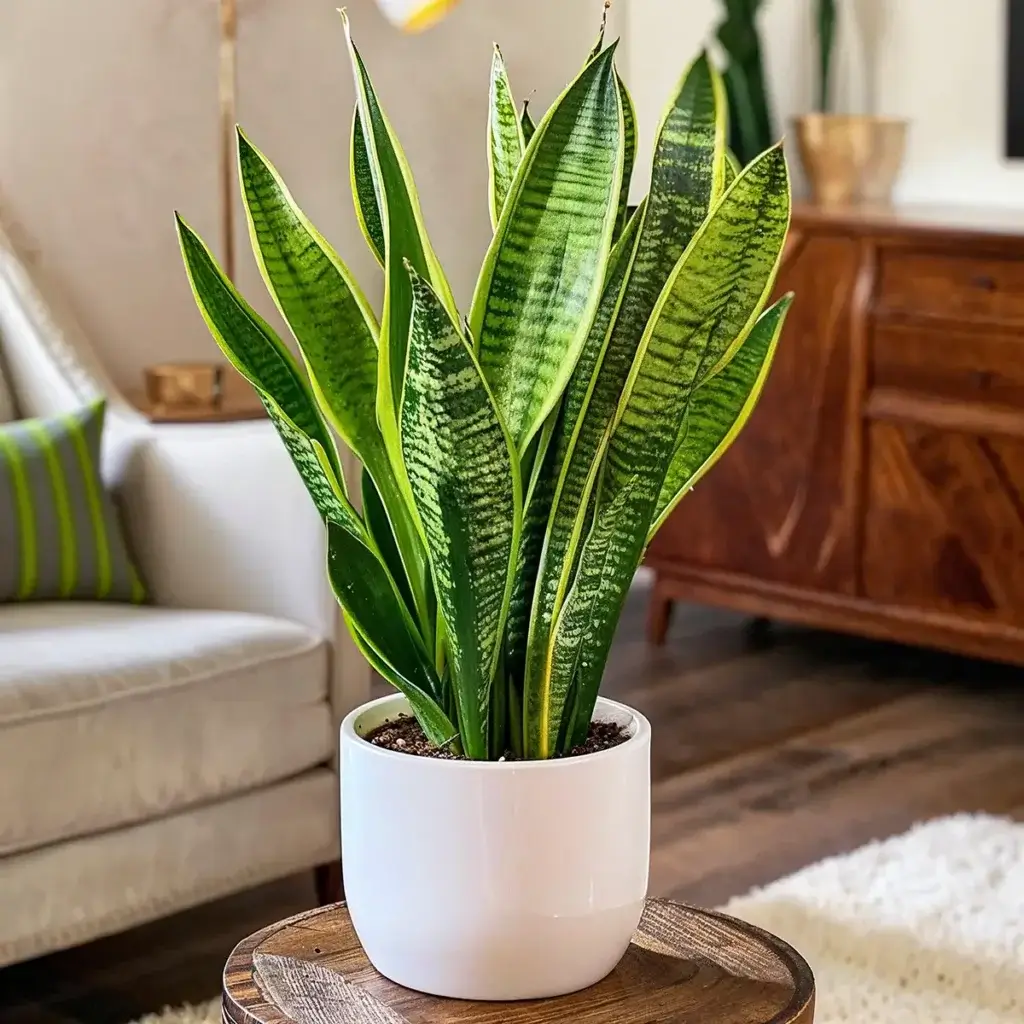
Snake Plant (Sansevieria) This tough plant has tall, patterned leaves. It’s easy to care for and thrives in low to bright indirect light. Water it only when the soil is dry.
Air-Purifying Power: Removes formaldehyde, xylene, and toluene. It also makes oxygen at night, perfect for bedrooms.
Where to Put It: In a bedroom corner or on a nightstand.
Safety: Safe for pets, but might cause mild stomach upset if eaten in large amounts.
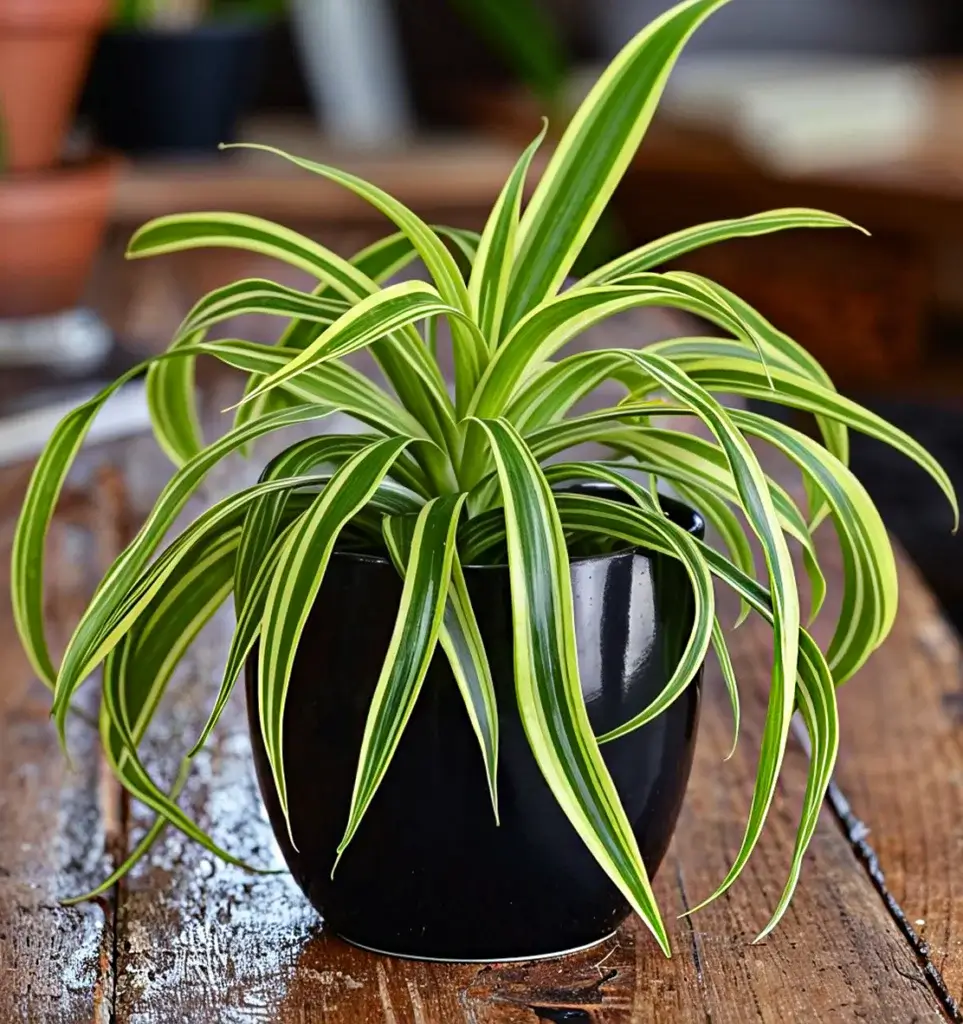
Spider Plant (Chlorophytum comosum) This plant has long, striped leaves that hang down. It likes bright indirect light and moderate water.
Air-Purifying Power: Removes formaldehyde, xylene, and carbon monoxide.
Where to Put It: In a hanging basket or on a high dresser.
Safety: Safe for pets and humans.
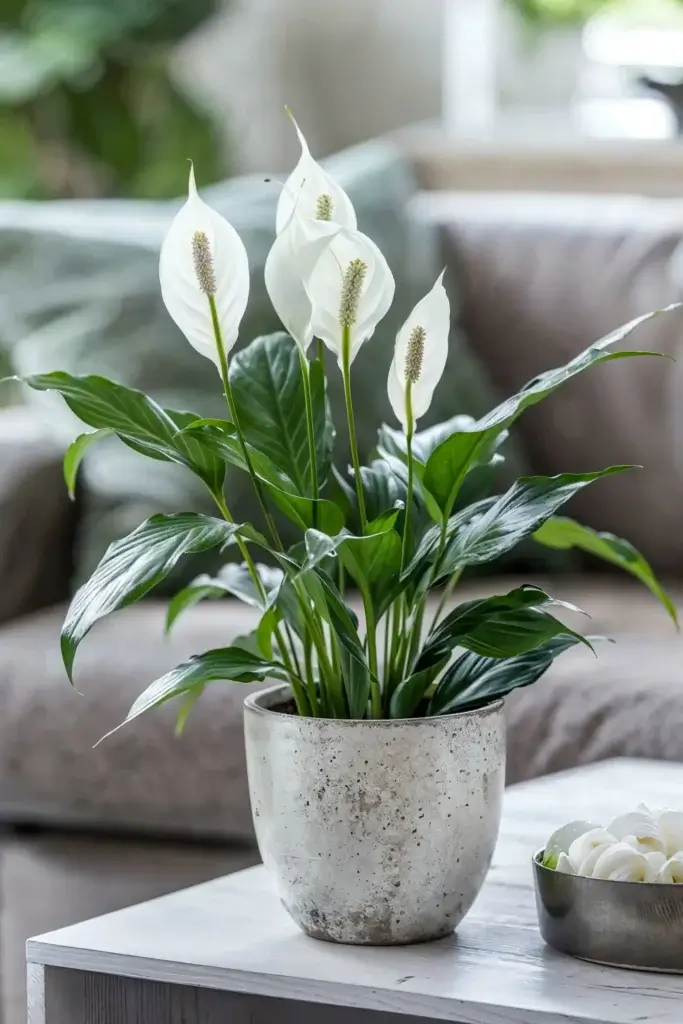
3. Peace Lily (Spathiphyllum) Known for its white flowers, the peace lily grows well in low to medium light. Keep its soil moist.
Air-Purifying Power: Removes ammonia, benzene, formaldehyde, and trichloroethylene.
Where to Put It: On a dresser or in a corner with indirect light.
Safety: Toxic to pets if eaten, so keep it out of reach.
- Aloe Vera This succulent has thick, gel-filled leaves. It likes bright, indirect light and little water.
Air-Purifying Power: Removes formaldehyde and benzene.
Where to Put It: On a sunny windowsill.
Safety: The gel is safe to use, but the plant can be mildly toxic to pets if eaten.

- English Ivy (Hedera helix) This vine has dark green, lobed leaves. It prefers moderate to bright indirect light and soil that dries a bit between waterings.
Air-Purifying Power: Removes airborne fecal particles and formaldehyde.
Where to Put It: In a hanging basket or on a high shelf.
Safety: Toxic to pets if eaten, so keep it out of reach.
Plant Comparison Table
| Plant Name | Light Needs | Water Needs | Air Cleaning Power | Pet Safe? |
|---|---|---|---|---|
| Snake Plant | Low to bright indirect | Low | High | Yes |
| Spider Plant | Bright indirect | Moderate | Medium | Yes |
| Peace Lily | Low to medium | High | High | No |
| Aloe Vera | Bright indirect | Low | Medium | No |
| English Ivy | Moderate to bright indirect | Moderate | High | No |
Creating a Plant-Powered Sleep Sanctuary
Here’s how to add air-purifying plants to your bedroom:
- Mix different plant sizes and shapes for visual interest.
- Use plants at different heights: floor, nightstands, dressers, and hanging baskets.
- Choose natural pots made of clay or bamboo.
- Pick pots that match your bedroom colors.
For the best air cleaning, use one medium-sized plant (10-12 inch pot) for every 100 square feet. Even a few small plants can help clean your bedroom air.
Dr. Sarah Thompson, a sleep researcher, says, “Indoor plants can create a relaxing environment that may improve sleep quality. Caring for plants can also be a calming bedtime routine.”
Caring for Your Bedroom Plants
To keep your plants healthy:
- Water: Most plants like to dry out a bit between waterings. Check the soil before you water.
- Light: Most air-purifying plants like bright, indirect light. Turn them now and then for even growth.
- Pest Control: Use natural methods like neem oil or soapy water to fight pests like gnats.
- Feeding: Use organic plant food during spring and summer.
- Repotting: Move plants to bigger pots every 1-2 years as needed.
Smart plant care apps like Planta can help you track watering schedules and plant health.
More Benefits of Bedroom Plants
Besides cleaning the air, bedroom plants offer other perks:
- Stress Relief: Studies show that indoor plants can lower stress.
- Better Mood: Plants can boost feelings of well-being and help with depression.
- Higher Humidity: Plants release water vapor, which can help keep bedroom air at a comfortable moisture level.
- Nature Connection: Bedroom plants bring a bit of nature indoors, promoting calm and mindfulness.
Potential Challenges
Be aware of these possible issues with bedroom plants:
- Too much water can cause mold growth
- Some people might be allergic to certain plants
- Plants need regular care to stay healthy
- Large plants can take up space in small bedrooms
Adding the best air-purifying houseplants to your bedroom is an easy way to create a healthier, more natural sleep space. These green helpers clean your air, boost your mood, and create a calm environment for better sleep.
Start with one plant and see how it improves your sleep and well-being. As you get more comfortable, add more plants to build your perfect sleep sanctuary.
Every plant you add is a step towards a more natural, mindful way of living. Happy planting and sweet dreams!
For more info on indoor plant benefits, check out:




&url=https://www.elfinview.com/best-air-purifying-houseplants-for-bedrooms-your-guide-to-natural-sleep-sanctuaries-2024/&media=https://www.elfinview.com/wp-content/uploads/2026/05/18-x-18-Pillow-Cover.jpg)
&url=https://www.elfinview.com/best-air-purifying-houseplants-for-bedrooms-your-guide-to-natural-sleep-sanctuaries-2024/&media=https://www.elfinview.com/wp-content/uploads/2026/05/Mocha-Cable-Knit-Alpaca-Throw.webp)
&url=https://www.elfinview.com/best-air-purifying-houseplants-for-bedrooms-your-guide-to-natural-sleep-sanctuaries-2024/&media=https://www.elfinview.com/wp-content/uploads/2026/05/Cozy-rust-cotton-throw-blanket.jpg)
&url=https://www.elfinview.com/best-air-purifying-houseplants-for-bedrooms-your-guide-to-natural-sleep-sanctuaries-2024/&media=https://www.elfinview.com/wp-content/uploads/2023/10/block-print-tea-towel-blue-white-waffle-cotton.jpg)
&url=https://www.elfinview.com/best-air-purifying-houseplants-for-bedrooms-your-guide-to-natural-sleep-sanctuaries-2024/&media=https://www.elfinview.com/wp-content/uploads/2023/09/tufted-pillow-cover-handmade-takik-bedroom-styling.jpg)
&url=https://www.elfinview.com/best-air-purifying-houseplants-for-bedrooms-your-guide-to-natural-sleep-sanctuaries-2024/&media=https://www.elfinview.com/wp-content/uploads/2023/09/navy-cotton-throw-blanket.jpg)