
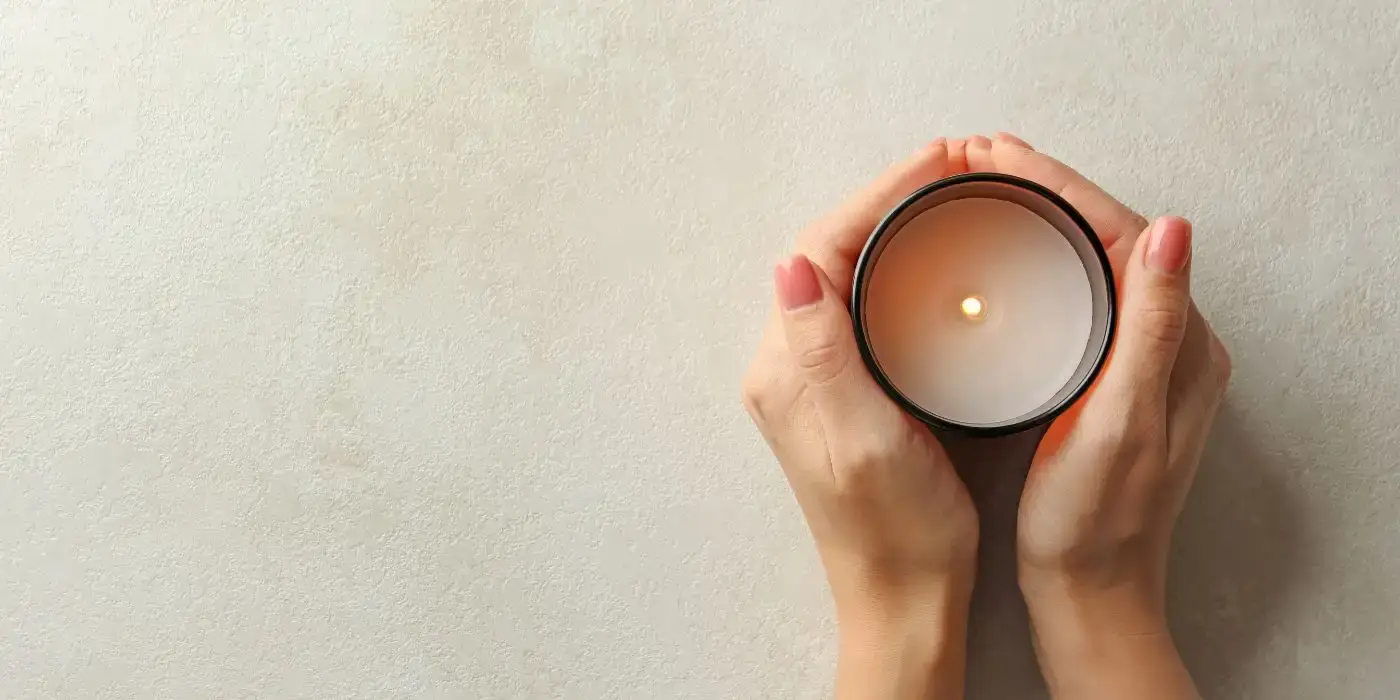
Picture this: You’ve just settled into your favorite chair, a warm cup of tea in hand, ready to unwind after a long day. The soft flicker of candlelight dances across the room, creating a cozy atmosphere. But did you know that this seemingly harmless ambiance setter can pose serious safety risks if not handled properly? In this comprehensive guide, we’ll explore essential candle safety tips to keep your home both beautiful and secure.
The use of candles dates back thousands of years, evolving from a necessity for light to a popular decorative and aromatic element in modern homes. Their ability to create a warm, inviting atmosphere is unparalleled, making them a staple in many households. However, with this beauty comes responsibility, and understanding proper candle safety is crucial for every homeowner and candle enthusiast.
The Allure and Risks of Candles
Candles have been used for centuries to provide light, warmth, and ambiance. Their soft glow can transform any space into a tranquil sanctuary. The gentle flicker of a flame can help reduce stress, create a romantic setting, or simply add a touch of luxury to your daily routine. Many people also use candles for aromatherapy, believing that certain scents can influence mood and well-being.
However, according to the National Fire Protection Association, candles cause an average of 7,610 home fires each year in the United States. This sobering statistic highlights the importance of practicing proper candle safety in our homes. These fires result in an average of 81 deaths, 677 injuries, and $278 million in direct property damage annually. The majority of these fires start in bedrooms, and the most common cause is candles being placed too close to flammable objects.
Spring
Be cautious with floral-scented candles near open windows. Spring breezes can blow curtains into flames.
Summer
Keep citronella candles away from flammable outdoor decorations. Use appropriate holders for outdoor use.
Fall
Place autumn-scented candles away from dried leaf decorations. Ensure jack-o’-lanterns are used safely.
Winter
Keep candles away from holiday decorations, wrapping paper, and Christmas trees. Never leave fireside candles unattended.
Essential Candle Safety Tips

1. Never Leave a Burning Candle Unattended
One of the most critical rules of candle safety is to never leave a burning candle unattended. This simple precaution can prevent many potential disasters.
- Always extinguish candles before leaving a room or going to sleep. It only takes a moment for a fire to start, and being present allows you to react quickly if something goes wrong.
- Use battery-operated flameless candles in bedrooms and sleeping areas. These provide a similar ambiance without the fire risk, making them ideal for areas where you might fall asleep.
- Set a reminder on your phone if you tend to forget about lit candles. This can be especially helpful if you’re using candles while working or during other activities that might distract you.
- Teach children about the importance of candle safety and make it a household rule to never leave candles burning when unattended.
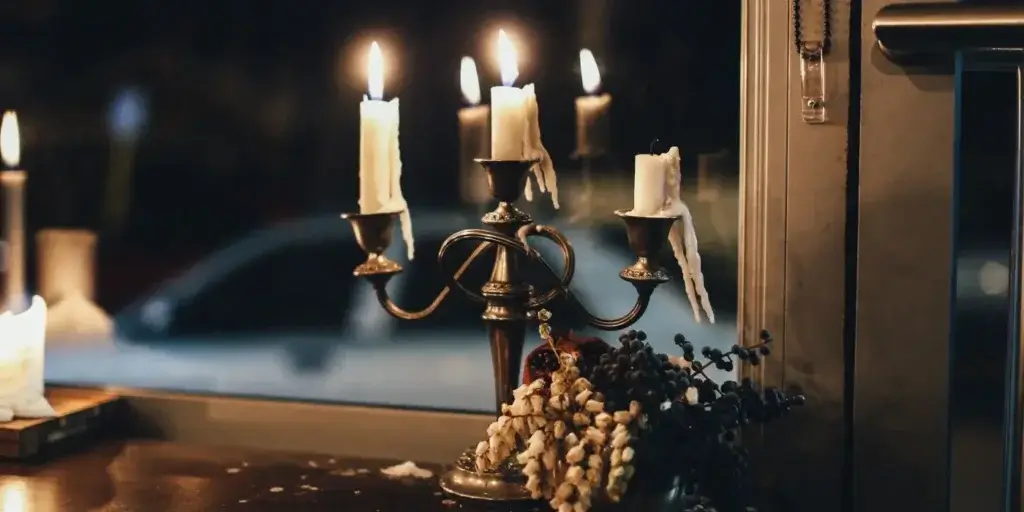
2. Keep Candles Away from Flammable Objects
Proper placement of candles is crucial for preventing fires.
- Place candles at least 12 inches away from anything that can burn. This includes curtains, furniture, bedding, books, and decorative items.
- Avoid placing candles near curtains, furniture, or decorations. Be especially cautious with hanging fabrics that could be blown into the flame by a draft.
- Keep candles out of reach of children and pets. Curious hands or wagging tails can easily knock over a burning candle.
- Be mindful of your hair and clothing when lighting or near lit candles. Loose clothing or long hair can easily catch fire if you’re not careful.

3. Use Appropriate Candle Holders
The right candle holder can significantly reduce the risk of fire and accidents.
- Choose sturdy, non-flammable holders that won’t tip over easily. Glass, ceramic, or metal holders are good options.
- Ensure the holder is large enough to catch dripping wax. This prevents hot wax from damaging surfaces or potentially starting a fire.
- Place candles on a heat-resistant surface. Use a candle tray or plate underneath the holder for added protection.
- Consider using hurricane lamps or enclosed candle holders for outdoor use to protect the flame from wind and reduce fire risk.

4. Trim the Wick
Proper wick maintenance is an often overlooked aspect of candle safety.
- Keep the wick trimmed to ¼ inch before lighting. A longer wick can cause the candle to burn too quickly and produce more smoke.
- Long or crooked wicks can cause uneven burning and dripping, which can be a fire hazard.
- Remove wick trimmings from the candle holder before lighting. These small pieces of carbon can reignite and cause sparks.
- Use a wick trimmer or scissors specifically designed for candles to make trimming easier and more precise.
5. Avoid Drafts
Drafts can cause candles to burn unevenly and increase the risk of fire.
- Keep burning candles away from fans, air conditioners, and open windows. Drafts can cause rapid, uneven burning and increase the risk of fire.
- Be cautious when carrying lit candles. The movement can create a draft that affects the flame.
- If you notice a candle flame flickering excessively or leaning to one side, check for and eliminate any nearby sources of drafts.
- Consider using candle sleeves or hurricane lamps to protect candles from drafts, especially in high-traffic areas of your home.
Shop Our Handmade Candles






6. Use Caution with Scented and Novelty Candles
While scented and novelty candles can be appealing, they require extra attention to safety.
- Some scented candles may burn differently than unscented ones. Pay attention to how these candles burn and extinguish them if you notice any unusual behavior.
- Be extra cautious with candles that have combustible items embedded in them, such as dried flowers or glitter. These can pose additional fire risks.
- Follow the manufacturer’s instructions for specialty candles. Some may have specific burning times or safety precautions.
- Avoid using candles with multiple wicks in small containers, as they can produce intense heat and potentially crack the container.
Also Read >> Understand Clean Burning Candles: A Comprehensive Guide
Candle Alternatives for a Safer Home
If you’re concerned about the safety risks associated with traditional candles, consider these alternatives:
- LED Candles: These flameless options have become increasingly realistic in recent years. Many now flicker like real candles and come with remote controls for easy operation. They’re perfect for areas where you want the ambiance of candlelight without the risk.
- Essential Oil Diffusers: Create pleasant scents without an open flame. These devices use water and essential oils to disperse fragrance throughout your home. Many also have color-changing lights to add to the ambiance.
- Fairy Lights: String lights or fairy lights can create a warm, cozy atmosphere similar to candlelight. Look for battery-operated options for added convenience and safety.
- Wax Warmers: These devices use a low-wattage bulb or heating plate to melt scented wax, releasing fragrance without an open flame. They come in a variety of decorative styles to match your decor.
- Battery-Operated Tea Lights: These tiny flameless candles are perfect for creating a candlelit effect in small spaces or for special occasions like weddings or outdoor events.
What to Do in Case of a Candle Fire
Despite our best efforts, accidents can happen. If a candle fire occurs, it’s crucial to know how to respond:
- Don’t panic – stay calm and act quickly. Panic can lead to poor decision-making in emergency situations.
- If the fire is small and contained within the candle holder:
- Try to extinguish it by using a candle snuffer or carefully blowing it out.
- Avoid using water, as it can cause hot wax to splatter and spread the fire.
- If the fire has spread beyond the candle:
- If you have a fire extinguisher and are trained to use it, you can attempt to put out a small fire.
- Use a Class A fire extinguisher, which is suitable for ordinary combustibles like wood and paper.
- If the fire is spreading rapidly:
- Evacuate immediately. Don’t try to fight a fire that is growing quickly.
- Close the door to the room where the fire is located to help contain it.
- Alert everyone in the house and ensure everyone evacuates safely.
- Once outside, call 911 or your local emergency number.
- Never use water to extinguish a wax or oil fire – it can cause the flames to spread. Water can cause hot wax or oil to splatter, potentially spreading the fire or causing severe burns.
Candles can add warmth, fragrance, and ambiance to our homes, but it’s crucial to use them responsibly. By following these candle safety tips, you can enjoy the beauty of candlelight while keeping your home and loved ones safe. Remember, when it comes to fire safety, prevention is always better than cure.
Make candle safety a part of your regular home maintenance routine. Regularly inspect your candles and holders for any signs of damage or wear. Educate all members of your household about proper candle use and what to do in case of a fire. By being proactive and mindful, you can create a safe and enjoyable environment for all your candle-lit moments.