
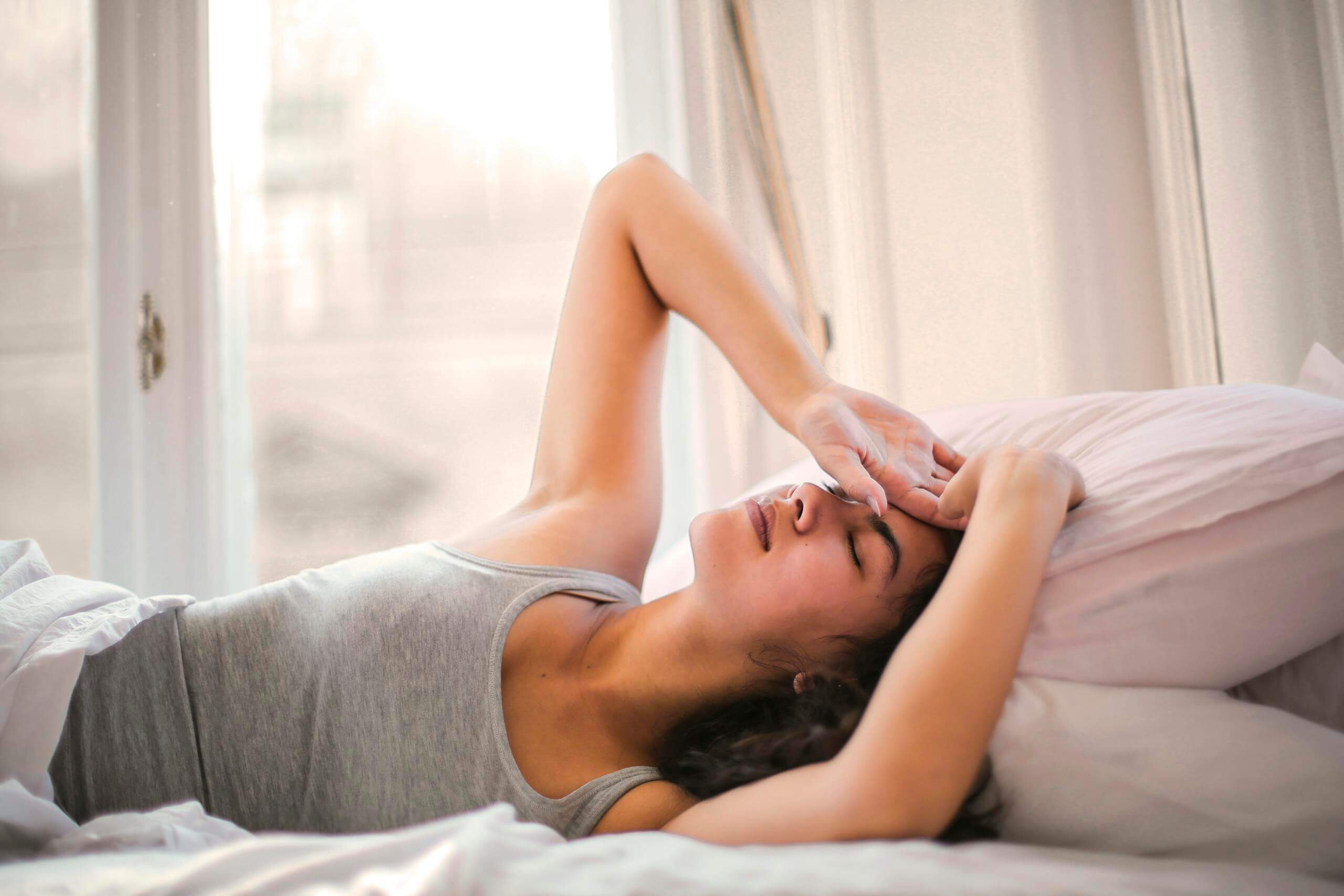
As I lay awake at 2 AM, staring at the ceiling illuminated by the harsh glow of a nearby streetlight, I couldn’t help but wonder: how much is this artificial brightness affecting my sleep? Light pollution sleep issues have become increasingly prevalent in our modern, always-on world.
From the blue light emitted by our devices to the ambient glow of city lights, our sleep environments are under constant assault from artificial illumination.
This article goes into the impact of light pollution on our sleep patterns and provides actionable strategies to create a better sleep environment.
The Science Behind Light Pollution and Sleep
Light pollution isn’t just an annoyance. It’s a significant disruptor of our natural sleep-wake cycle, also known as the circadian rhythm. Our bodies have evolved to respond to natural light cues, with darkness triggering the production of melatonin, the hormone that regulates sleep.
Also Read > > HOW TO CREATE A HOTEL-QUALITY BED AT HOME ON A BUDGET
How Artificial Light Disrupts Sleep
- Melatonin suppression: Exposure to artificial light, especially blue light, can inhibit melatonin production.
- Circadian rhythm disruption: Constant light exposure can confuse our internal body clock.
- Reduced sleep quality: Even if we manage to fall asleep, light pollution can lead to lighter, less restorative sleep.
Research has shown that individuals living in areas with high levels of light pollution are more likely to report sleep disturbances, insomnia, and daytime fatigue. A study published in the Journal of Clinical Endocrinology and Metabolism found that exposure to room light before bedtime shortened melatonin duration by about 90 minutes compared to dim light exposure.
10 Ways to Combat Light Pollution and Improve Your Sleep
Blackout Curtains
Block up to 99% of outside light
Look for curtains with a light-blocking rating of 2-3 for maximum effectiveness.
Red Light Bulbs
Use warm, red-toned lights in the evening
Red light has the least impact on circadian rhythm and melatonin production.
10 Ways to Combat Light Pollution and Improve Your Sleep
Creating a better sleep environment is crucial for mitigating the effects of light pollution. Here are ten effective strategies to help you achieve more restful nights, with detailed explanations and practical tips for implementation:
1. Invest in blackout curtains or shades
Blackout curtains are a powerful tool in your arsenal against light pollution.
These specialized window treatments can block up to 99% of outside light, creating a dark sanctuary for sleep. When shopping for blackout curtains:
2. Use red-spectrum light bulbs in the evening
Red light has the least power to shift circadian rhythm and suppress melatonin production. By replacing harsh white bulbs with warm, red-toned lights in your bedroom and living areas for evening use, you can create a sleep-friendly environment.
Here’s how to implement this strategy:
- Look for bulbs labeled as “warm white” or with a color temperature of 2700K or lower.
- Consider smart bulbs that can shift from daylight to warm tones automatically in the evening.
- Use red-tinted night lights in bathrooms or hallways for nighttime navigation.
- Be mindful of light sources like digital clocks or electronics; cover or replace them with red-light versions if possible.
3. Install dimmer switches
Gradually reducing light intensity in the hours before bedtime can help signal to your body that it’s time to wind down. Dimmer switches offer flexibility in creating the right ambiance for sleep preparation.
To make the most of this strategy:
- Install dimmers in bedrooms, living rooms, and bathrooms – areas you frequent in the evening.
- Create a “dimming schedule” where you progressively lower light levels as bedtime approaches.
- Ensure your dimmer switches are compatible with your light bulbs, especially if using LED lights.
- Consider smart lighting systems that can be programmed to dim automatically in the evening.
4.Wear blue light blocking glasses
These specialized glasses filter out blue light from screens and artificial lighting.
Wearing them 2-3 hours before bedtime can significantly improve sleep onset and quality.
To maximize their effectiveness:
- Choose glasses that block 90-99% of blue light for optimal results.
- Start wearing them earlier in the evening if you’re particularly sensitive to light.
- Use them consistently; sporadic use may not yield noticeable benefits.
- Consider different styles for different activities (e.g., over-glasses versions for those who wear prescription lenses).
5. Create a “dark hour” before bed
Establish a routine of turning off all unnecessary lights and electronic devices an hour before sleep. This dark period can help jumpstart melatonin production.
To implement this strategy:
- Set a consistent “dark hour” start time and stick to it.
- Use this time for relaxing activities like reading (with a red-light book light), meditation, or gentle stretching.
- If you must use devices, ensure they’re on the lowest brightness setting and use blue light filters.
- Educate family members or roommates about your dark hour to encourage their cooperation.
6. Use sleep masks
A high-quality sleep mask can block out residual light, especially useful for those who can’t control their external environment (e.g., shift workers or travelers).
When choosing and using a sleep mask:
- Look for masks made from breathable, hypoallergenic materials.
- Consider contoured masks that don’t put pressure on your eyes.
- Ensure the mask fits snugly but comfortably to prevent light leakage.
- Keep several masks on hand so you always have a clean one available.
7. Opt for motion-activated night lights
If you need to navigate your space at night, use motion-activated lights instead of leaving constant illumination. This minimizes unnecessary light exposure during sleep hours.
To implement this strategy:
- Install motion-activated lights in hallways, bathrooms, and other areas you might need to access at night.
- Choose lights with a warm, red-toned glow rather than bright white light.
- Adjust the sensitivity and duration settings to prevent unnecessary activation.
- Consider low-mounted lights to minimize overall room illumination.
8. Address light pollution at the community level
Advocate for responsible outdoor lighting in your neighborhood. Many communities are adopting “dark sky” initiatives to reduce unnecessary outdoor lighting.
Here’s how you can get involved:
- Educate yourself and others about the impact of light pollution on health and the environment.
- Attend local council meetings to voice concerns about excessive outdoor lighting.
- Propose the use of shielded light fixtures that direct light downward, reducing sky glow.
- Encourage the implementation of timers or motion sensors for public lighting.
- Support local “lights out” campaigns during bird migration seasons.
9. Utilize light-filtering apps on devices
Apps like f.lux or built-in features like Apple’s Night Shift can automatically adjust your screen’s color temperature to reduce blue light emission in the evening.
To make the most of these tools:
- Set up automatic scheduling to activate blue light filters at sunset or a few hours before bedtime.
- Adjust the intensity of the filter to your comfort level.
- Use these apps on all your devices, including computers, tablets, and smartphones.
- Remember that while helpful, these apps are not a substitute for reducing overall screen time before bed.
10. Create a sleep-friendly bedroom layout
Position your bed away from windows and doors that might let in light. Consider using room dividers or strategically placed furniture to block light sources.
Additional tips for optimizing your bedroom layout:
- Use heavy curtains or shades on windows, ensuring they extend beyond the window frame to prevent light leakage.
- Place your bed so that your face is not directly aligned with any potential light sources.
- Use a canopy bed or bed tent for an extra layer of light protection.
- Consider rearranging electronics or covering LED lights on devices that can’t be moved.
- Use light-blocking tape for any persistent small light sources (e.g., power indicators on electronics).
The Impact of Light Pollution on Health
The consequences of chronic light pollution exposure extend beyond mere sleep disturbances. Research has linked excessive artificial light exposure to various health issues:
- Increased risk of obesity: Disrupted sleep patterns can affect hormones that regulate appetite and metabolism.
- Higher incidence of depression: The lack of a clear day-night cycle can impact mood and mental health.
- Potential increased cancer risk: Some studies suggest a link between light at night and certain types of cancer, possibly due to disrupted melatonin production.
- Cardiovascular issues: Poor sleep quality has been associated with an increased risk of heart disease and hypertension.
Create a Better Sleep Environment: Beyond Light Control
While managing light is crucial, creating an optimal sleep environment involves multiple factors:
- Temperature regulation: Keep your bedroom cool, ideally between 60-67°F (15-19°C).
- Noise reduction: Use white noise machines or earplugs to minimize disruptive sounds.
- Comfortable bedding: Invest in a supportive mattress and pillows that suit your sleep style.
- Air quality: Ensure good ventilation and consider using an air purifier to reduce allergens.
Light pollution sleep issues are a modern problem requiring modern solutions. By understanding the impact of artificial light on our sleep patterns and implementing strategies to create a better sleep environment, we can reclaim our nights and improve our overall health and well-being. Remember, good sleep is not a luxury—it’s a necessity for optimal physical and mental functioning.
As we become more aware of the effects of light pollution on our sleep, it’s crucial to take both individual and community action.
By advocating for responsible lighting practices and creating sleep-friendly personal spaces, we can work towards a future where restful nights are the norm, not the exception.








&url=https://www.elfinview.com/how-light-pollution-affects-sleep/&media=https://www.elfinview.com/wp-content/uploads/2026/08/Kantha-throw-blanket-1024x1024.jpg)
&url=https://www.elfinview.com/how-light-pollution-affects-sleep/&media=https://www.elfinview.com/wp-content/uploads/2026/08/lightweight-cotton-throw-blanket-cream-1024x1024.jpg)
&url=https://www.elfinview.com/how-light-pollution-affects-sleep/&media=https://www.elfinview.com/wp-content/uploads/2024/09/organic-stoneware-dinnerware-1024x1024.webp)
&url=https://www.elfinview.com/how-light-pollution-affects-sleep/&media=https://www.elfinview.com/wp-content/uploads/2026/05/18-x-18-Pillow-Cover.jpg)
&url=https://www.elfinview.com/how-light-pollution-affects-sleep/&media=https://www.elfinview.com/wp-content/uploads/2026/05/Mocha-Cable-Knit-Alpaca-Throw.webp)
&url=https://www.elfinview.com/how-light-pollution-affects-sleep/&media=https://www.elfinview.com/wp-content/uploads/2026/05/Cozy-rust-cotton-throw-blanket.jpg)