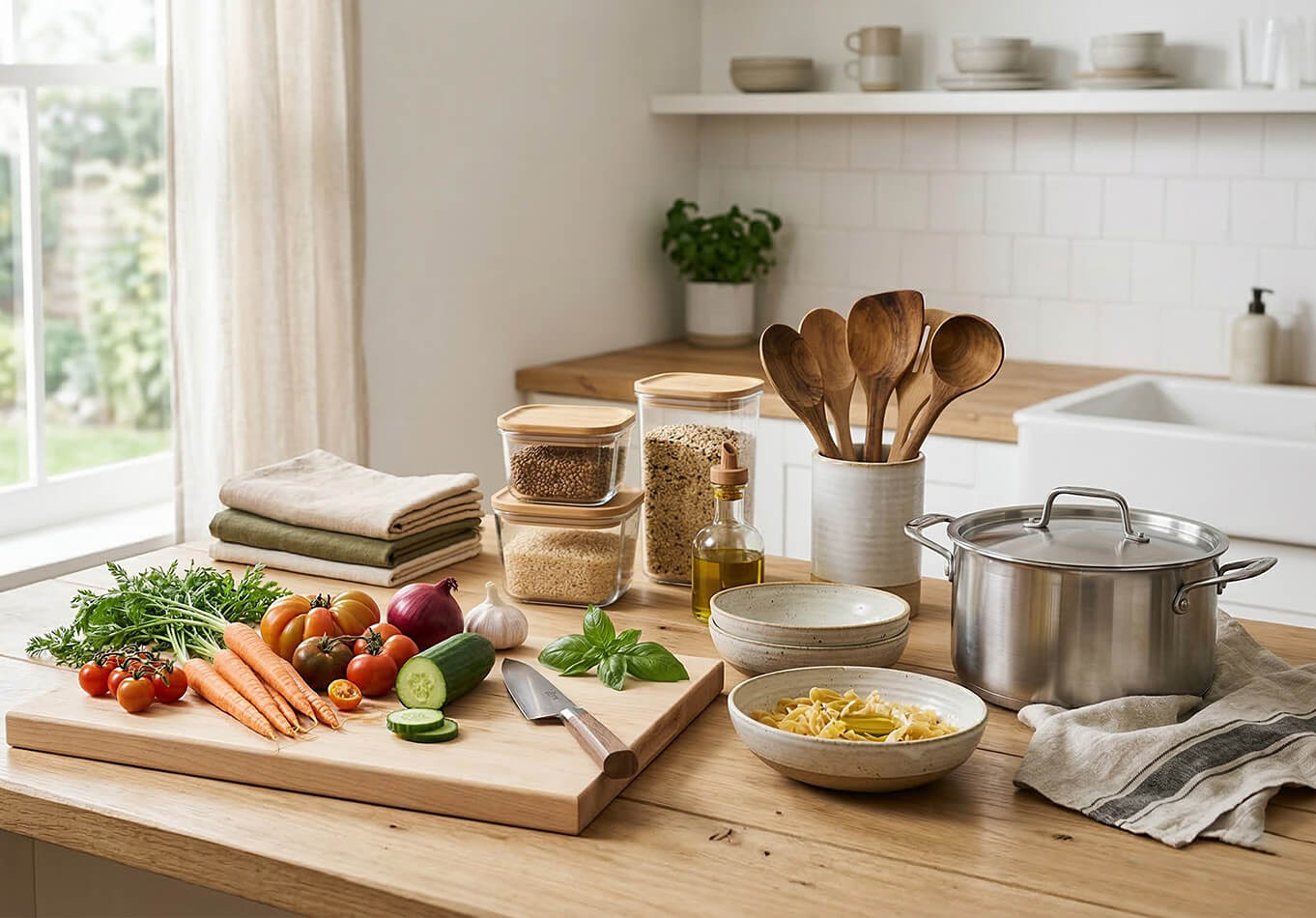
Your kitchen is where some of the most important moments of daily life happen. It is where meals are prepared, families gather, and routines begin and end.
But many everyday kitchen items contain materials that were never designed with long term health in mind. Plastic storage containers, scratched nonstick pans, and synthetic cooking tools can release chemicals or microplastics when exposed to heat and wear.
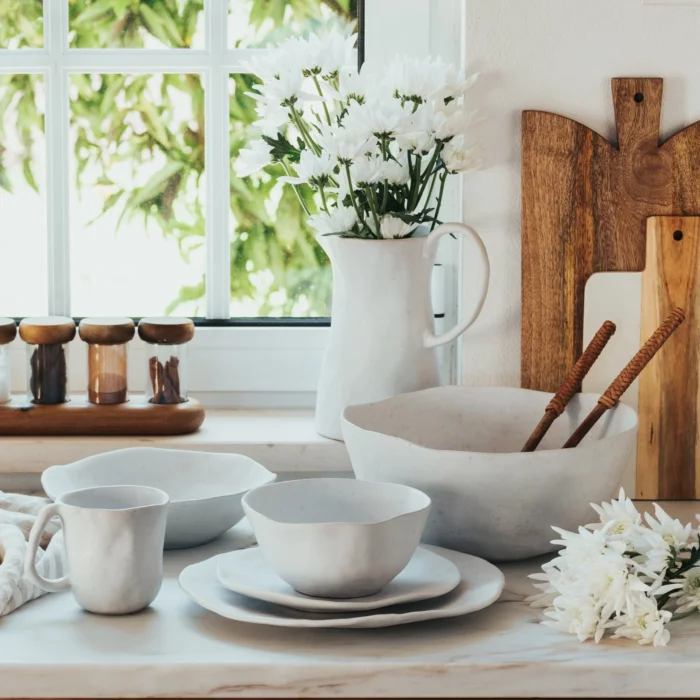
This is why many households are switching to non toxic kitchen essentials made from safer materials like glass, ceramic, stainless steel, and natural wood.
If you are trying to create a healthier and sustainable home, replacing a few key items in your kitchen can make a big difference. Below are some of the most useful safe kitchen products and non toxic kitchenware to start with.
Quick Non Toxic Kitchen Essentials Checklist
If you want to build a safer kitchen, start with these key items:
- Stainless steel cookware
- Ceramic dinnerware and pasta bowls
- Glass food storage containers
- Wooden cooking utensils
- Wooden or bamboo cutting boards
- Stainless steel mixing bowls
- Cast iron skillet
- Glass measuring cups
- Natural fiber dish brushes
- Beeswax food wraps
What Are Non Toxic Kitchen Essentials?
Non toxic kitchen essentials are cooking tools, food storage containers, and kitchen accessories made from stable materials that do not release harmful chemicals into food.
Common materials used in non toxic kitchenware include:
- stainless steel
- ceramic and stoneware
- glass
- cast iron
- natural wood or bamboo
These materials avoid chemicals such as PFAS, BPA, and microplastics, which can sometimes be found in traditional plastic or coated cookware.
15 Non Toxic Kitchen Essentials to Upgrade Your Kitchen
Common Non Toxic Kitchen Swaps
| Replace This | With This | Why It’s Safer |
|---|---|---|
| Plastic food containers | Glass containers | No BPA or microplastics |
| Nonstick pans | Stainless steel or cast iron | Avoid PFAS coatings |
| Plastic utensils | Wooden utensils | No melting plastic |
| Plastic cutting boards | Wooden boards | No microplastic shedding |
| Plastic wrap | Beeswax wraps | Reusable and chemical free |
A Quick Pro-Tip:
If you aren’t ready to overhaul everything at once, start with heat. Chemicals leach much faster when plastic is hot, so prioritize swapping out your storage containers (especially if you microwave them) and your cooking pans first.
Chemicals to Avoid in Kitchen Products
Some materials used in traditional kitchen products may release chemicals when heated or worn.
Common substances people try to avoid include:
- PFAS used in some nonstick coatings
- BPA and BPS used in certain plastics
- Phthalates sometimes found in flexible plastics
- Microplastics released from plastic utensils and containers
According to research from the National Institute of Environmental Health Sciences, reducing exposure to these materials is one reason many households choose safer kitchen products.
| Material | Benefits | Best Use |
| Stainless Steel | Extremely durable, dishwasher safe, and non-reactive to acidic foods (like tomato sauce). | Everyday cooking: Sautéing, boiling, and making sauces. |
| Cast Iron | Exceptional heat retention, naturally non-stick when seasoned, and adds a bit of iron to your diet. | High-heat tasks: Searing steaks, frying, and “oven-to-table” baking. |
| Ceramic | Non-reactive, smooth surface, and often aesthetically pleasing for presentation. | Gentle cooking: Baking, slow-roasting, and serving. |
Which one should you grab first?
- Go Stainless if you want something “indestructible” that you can toss in the dishwasher without a second thought.
- Go Cast Iron if you want that perfect crust on your proteins and don’t mind a little bit of manual cleaning (no soap, usually!).
- Go Ceramic (specifically 100% ceramic, not just ceramic-coated) if you want a beautiful dish that moves from the oven straight to the dining table.
1. Stainless Steel Cookware
Stainless steel cookware is widely considered one of the safest options for cooking. It does not react with food and does not contain the chemical coatings used in some nonstick pans.
Look for cookware made with 18/8 or 18/10 stainless steel, which is durable and resistant to corrosion.
Common pieces include:
- frying pans
- saucepans
- stock pots
2. Ceramic Dinnerware
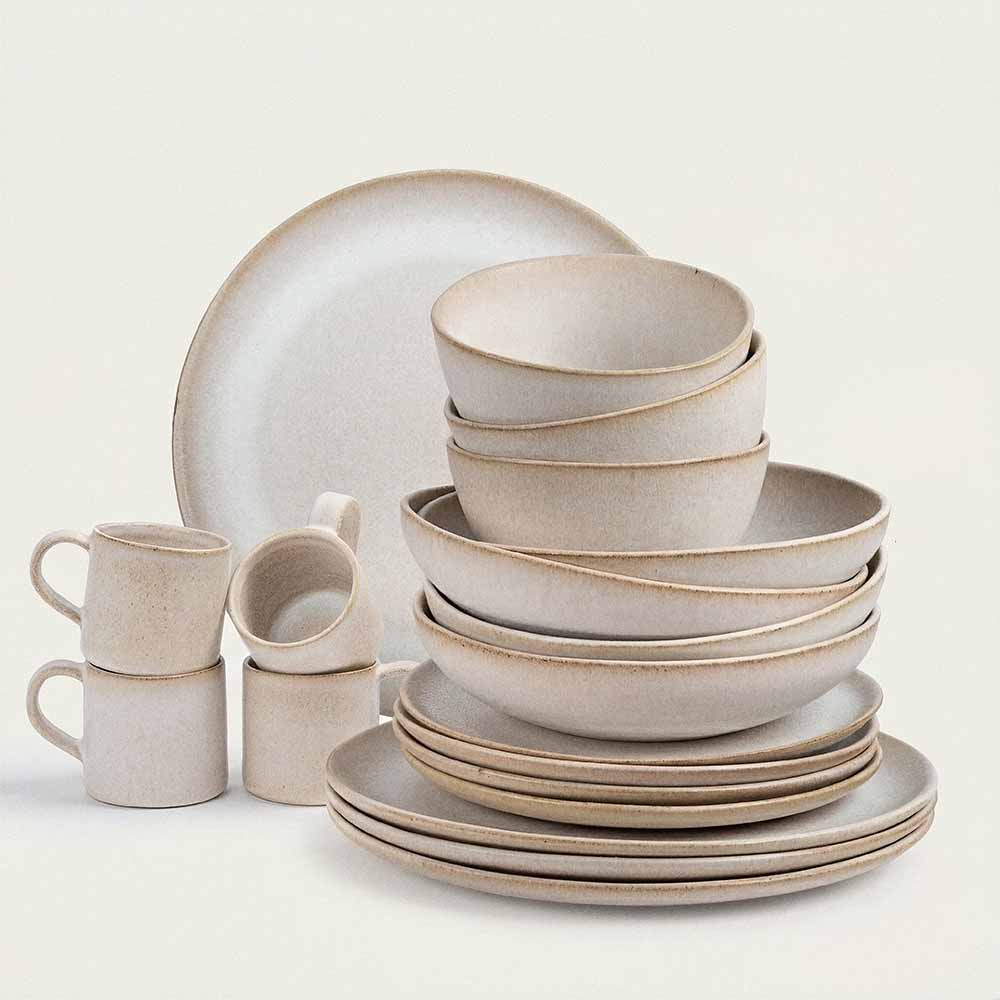
Ceramic dishes are a classic choice for safe kitchen products. When properly fired at high temperatures, ceramic becomes stable and non reactive.
Benefits include:
- durable surface
- safe for hot foods
- long lifespan
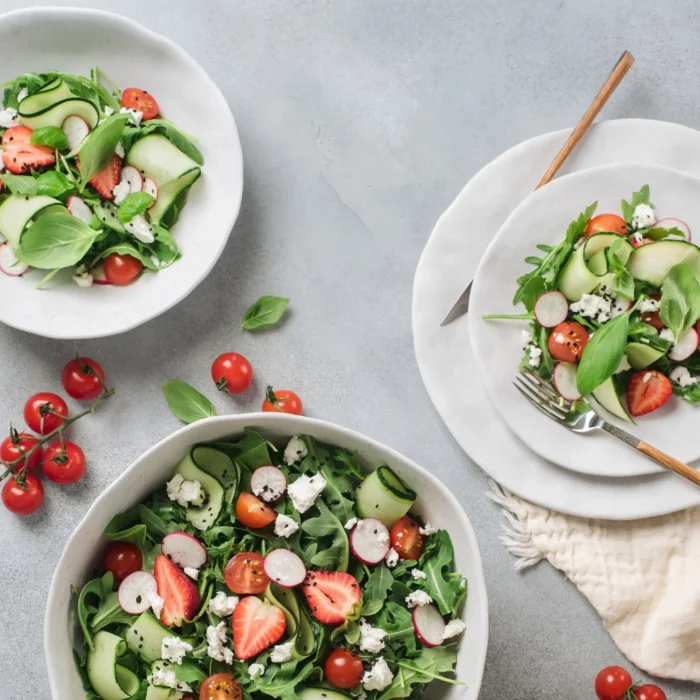
Many households prefer stoneware pasta bowls, ceramic dinner plates, and serving bowls because they combine functionality with a timeless aesthetic.
3. Glass Food Storage Containers
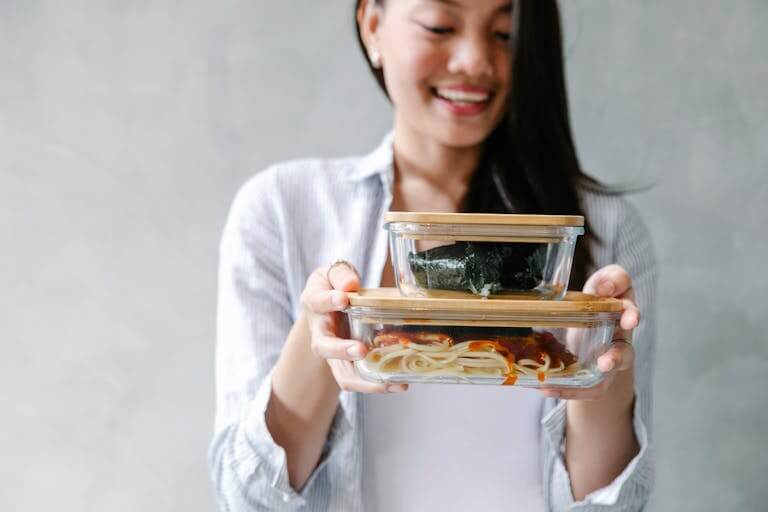
Glass containers are one of the easiest non toxic kitchen swaps you can make.
Unlike plastic containers, glass:
- does not absorb odors
- does not stain easily
- does not release BPA
Borosilicate glass is especially durable and can withstand temperature changes.
4. Wooden Cooking Utensils
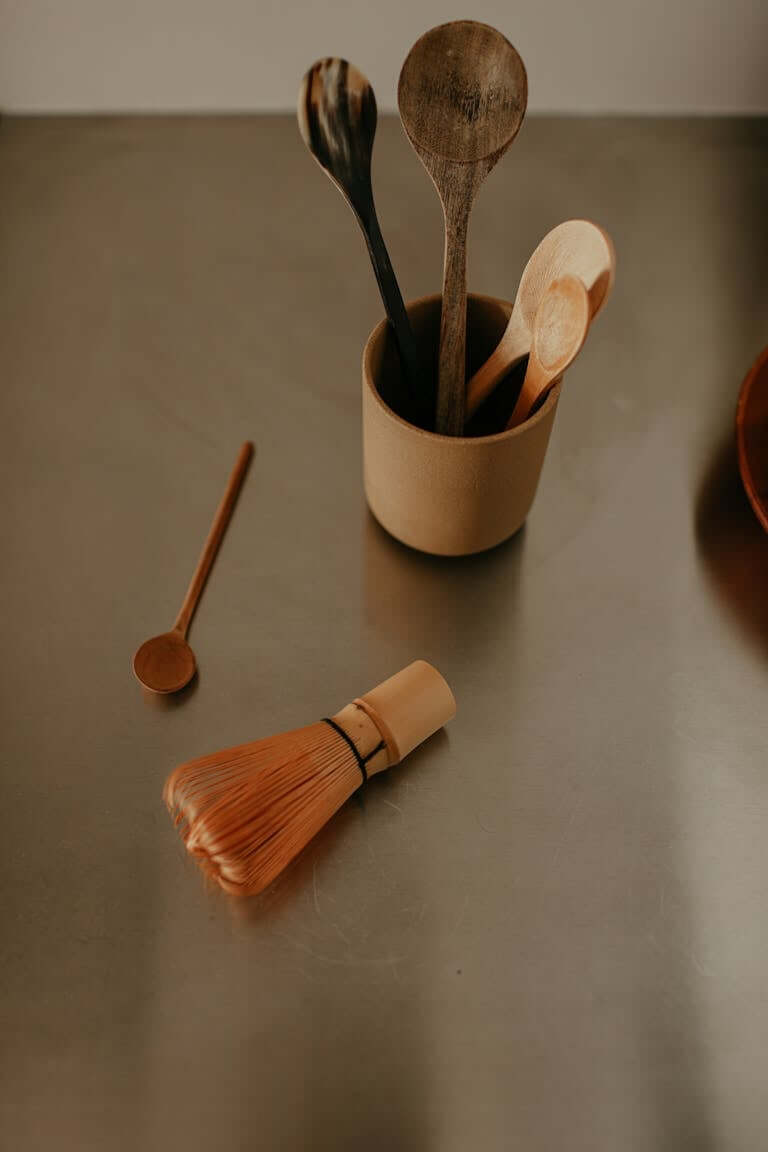
Plastic cooking tools can melt or scratch over time, releasing small particles into food.
Wooden utensils offer a safer and more natural alternative.
Popular options include:
- wooden spoons
- spatulas
- ladles
Look for utensils finished with food safe oils rather than synthetic coatings.
5. Glass Measuring Cups
Glass measuring cups are durable and easy to clean. Unlike plastic measuring cups, they do not degrade over time.
They are ideal for:
- heating ingredients in the microwave
- baking
- measuring liquids
6. Stainless Steel Mixing Bowls
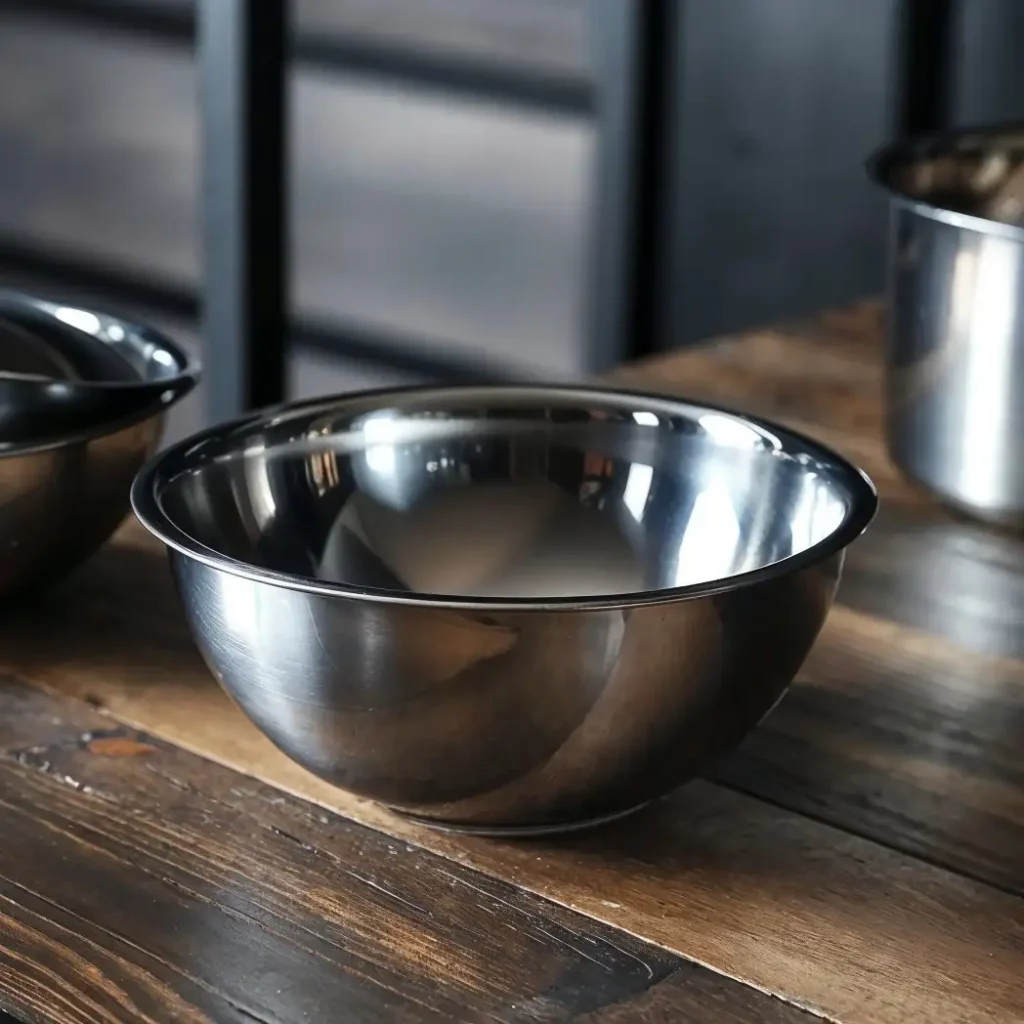
Stainless steel bowls are versatile and long lasting.
They are commonly used for:
- mixing ingredients
- preparing salads
- food prep
Because stainless steel is non reactive, it works well with acidic foods such as tomatoes or citrus.
7. Wooden Cutting Boards
Plastic cutting boards can shed small plastic particles with repeated knife use.
Wooden cutting boards made from maple, walnut, or bamboo are often considered safer and more durable alternatives.
They are also easier to refinish and maintain.
8. Cast Iron Skillet
A cast iron skillet is one of the most durable kitchen tools you can own.
Benefits include:
- excellent heat retention
- naturally nonstick surface when seasoned
- extremely long lifespan
Many cast iron pans last for decades or even generations.
9. Ceramic Bakeware
Ceramic baking dishes are great for casseroles, roasted vegetables, and baked pasta dishes.
They distribute heat evenly and avoid the synthetic coatings sometimes found in metal bakeware.
10. Natural Dish Brushes
Dish brushes with wooden handles and plant fiber bristles are a popular eco friendly replacement for plastic scrubbers.
They are biodegradable and often more durable.
11. Beeswax Food Wraps
Beeswax wraps are reusable alternatives to plastic wrap.
They are commonly used to cover:
- leftovers
- sandwiches
- cut fruits and vegetables
12. Glass Oil Dispensers
Storing cooking oils in glass bottles protects the oil from contamination and avoids plastic exposure.
Glass dispensers also help control pouring during cooking.
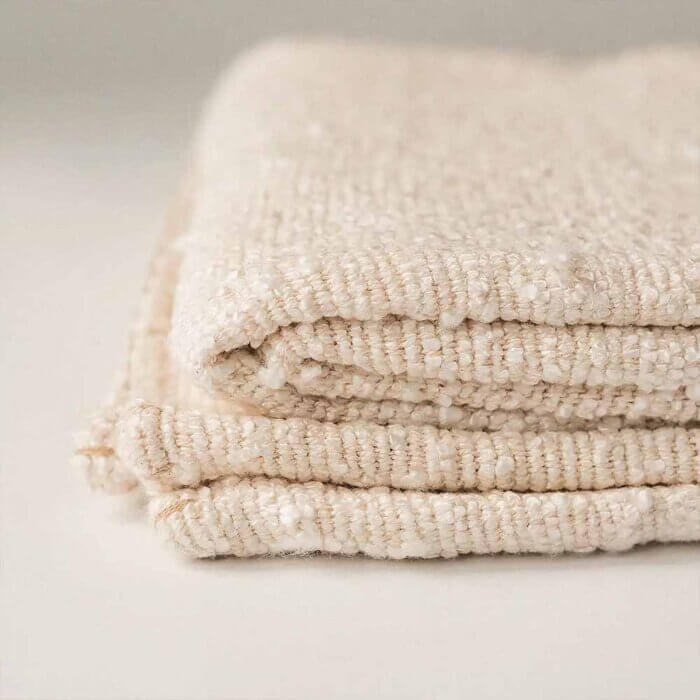
13. Linen or Organic Cotton Dish Towels
Natural fibers like linen and cotton are more sustainable than synthetic kitchen textiles.
They are:
- durable
- absorbent
- easy to wash
14. Stainless Steel Food Storage Containers
Stainless steel containers are lightweight and ideal for packed lunches.
They are especially useful for:
- meal prep
- school lunches
- leftovers on the go
15. Natural Kitchen Sponges
Cellulose sponges and plant fiber scrubbers are biodegradable alternatives to traditional synthetic sponges.
They reduce plastic waste in the kitchen while still cleaning effectively.
How to Choose Safe Kitchen Products
When shopping for non toxic kitchenware, the material is the most important factor.
Look for These Materials
Safe materials for kitchen use include:
- stainless steel
- ceramic and stoneware
- glass
- cast iron
- natural wood
These materials are stable, durable, and widely trusted for food preparation.
Materials to Avoid When Possible
Some materials commonly found in kitchen products may contain chemicals or degrade over time.
Examples include:
- plastic food storage containers
- scratched nonstick cookware
- low quality aluminum cookware
Replacing these items with safer alternatives is a simple way to build a healthier kitchen.
Why Eco Friendly Kitchen Essentials Matter
Choosing eco friendly kitchen essentials is not just about reducing chemicals. It also helps reduce waste and encourages more thoughtful purchasing habits.
High quality kitchenware made from durable materials often lasts many years, which means fewer replacements and less landfill waste.
Many small brands and curated shops focus on products designed for longevity. Shops like Elfin View in North Carolina, for example, emphasize durable materials and timeless kitchenware that can be used for years instead of disposable alternatives.
What Is the Safest Kitchenware Material?
The safest kitchenware materials are generally considered to be stainless steel, glass, ceramic, cast iron, and natural wood. These materials are stable at cooking temperatures and do not release harmful chemicals into food.
Frequently Asked Questions
A healthier kitchen does not require replacing everything overnight. Start with a few simple swaps and gradually build a collection of non toxic kitchen essentials made from safer materials.
Switching to non toxic kitchenware and eco friendly kitchen essentials such as stainless steel cookware, ceramic dishes, glass storage containers, and wooden utensils helps create a kitchen that supports both your health and the environment.
With thoughtful choices, your kitchen can become a space that is not only beautiful and functional but also built around safe and lasting materials.