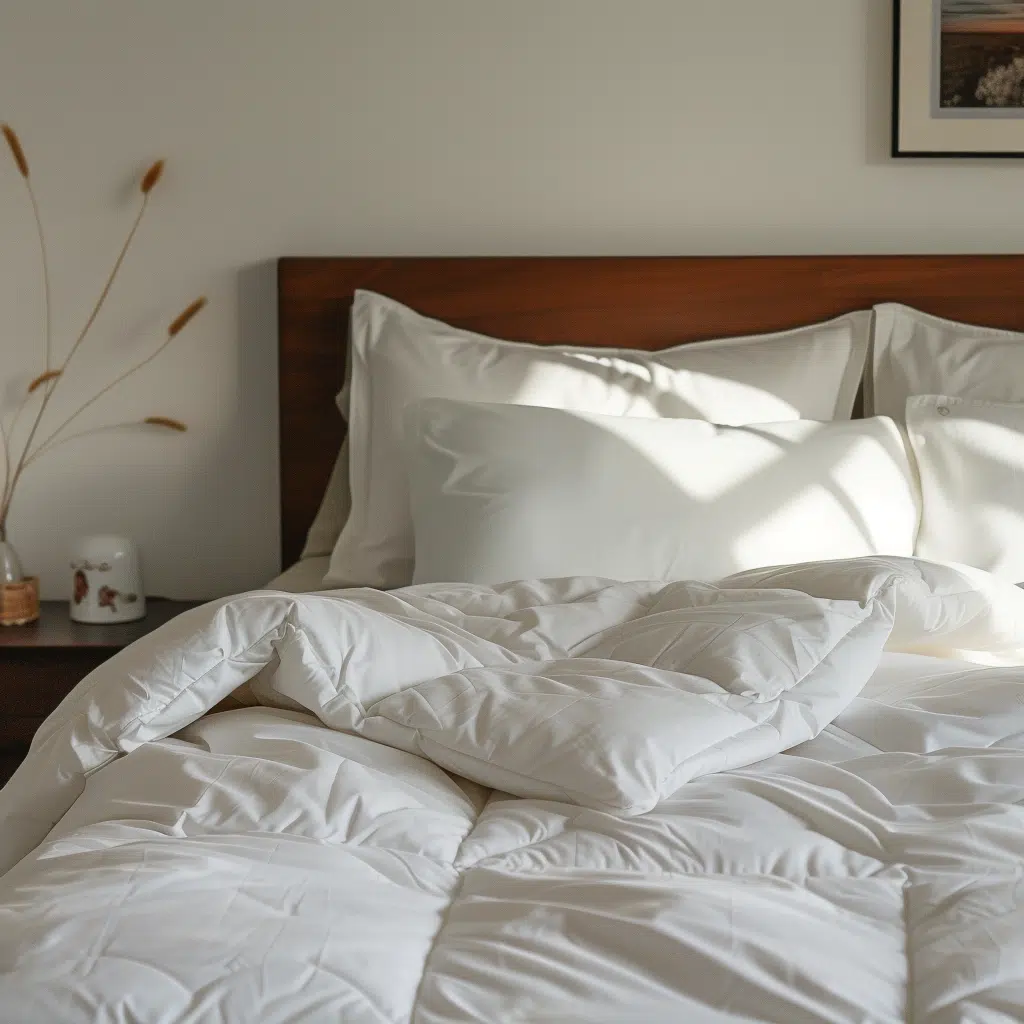
Quilts, bedspreads, and comforters are three popular choices, each with unique features and benefits. Understanding their differences can help you make the best choice for your bedroom. This article explores the characteristics, uses, advantages, and disadvantages of quilts, bedspreads, and comforters.
| Feature | Quilt | Bedspread | Comforter |
|---|---|---|---|
| Warmth | Moderate | Low | High |
| Weight | Lightweight | Lightweight | Heavy |
| Breathability | High | Moderate | Low |
| Aesthetic | Cozy and homey | Polished and tidy | Plush and luxurious |
| Versatility | High | Moderate | Low |
| Maintenance | Moderate | Easy | Challenging |
| Best For | Warm climates, layering | Decorative purposes, guest rooms | Cold climates, primary bed cover |
| Hypoallergenic | Generally hypoallergenic | Depends on material | Synthetic options available |
| Price Range | $$ | $-$$$ | $$-$$$$ |
| Value for Money | High | Moderate | High |
What is a Quilt?
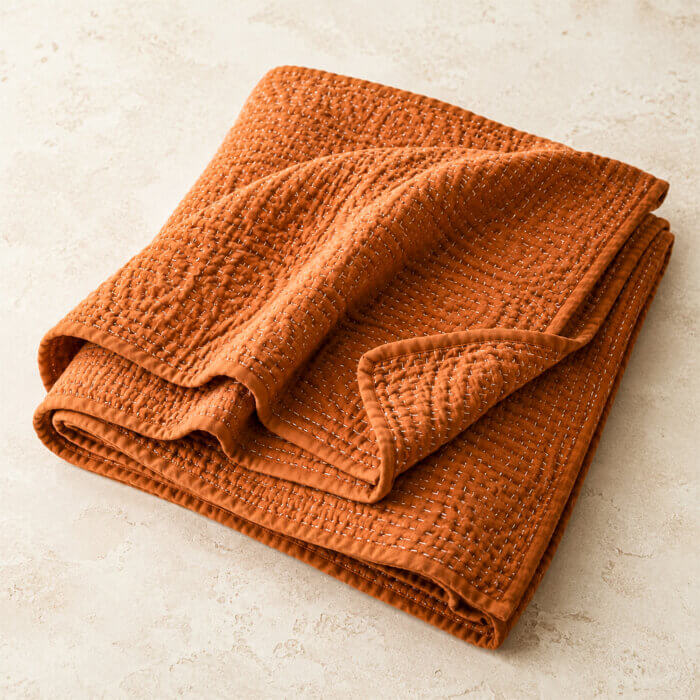
A quilt is a type of bedding composed of three layers: a top layer, a middle layer of batting, and a bottom layer. These layers are stitched together in a decorative pattern, creating a distinctive, textured appearance.
Quilts are often made from cotton or a cotton blend, making them breathable and lightweight.

Uses
Quilts are versatile and can be used in various ways:
- As a bed cover: Quilts can serve as the primary bed cover, adding a cozy and homey feel to your bedroom.
- As a layering piece: They can be layered with other bedding, such as comforters or bedspreads, for added warmth and style.
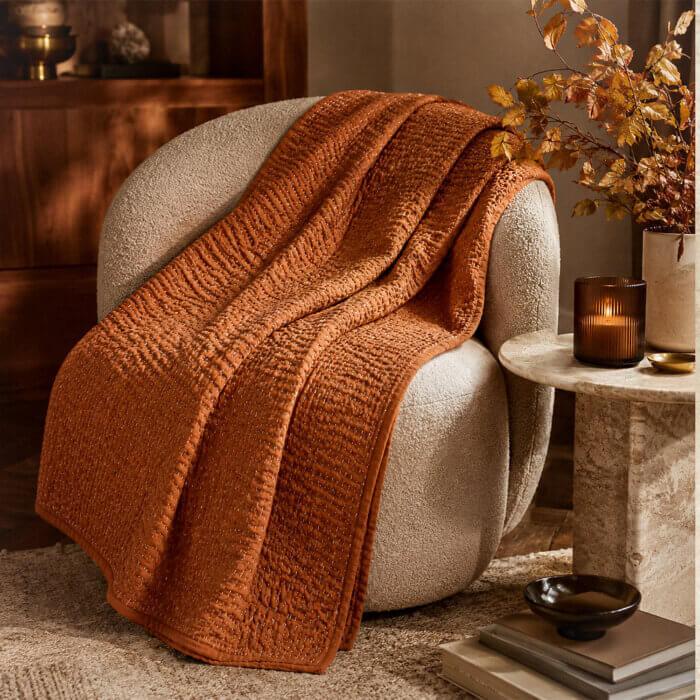
- As a decorative throw: Quilts can also be used as decorative throws on sofas or chairs.
Advantages
- Breathability: Quilts are often more breathable than thicker bedding options, making them ideal for warmer climates or those who tend to overheat at night.
- Aesthetic appeal: The intricate stitching and patterns make quilts a beautiful addition to any bedroom decor.
- Versatility: Quilts can be used in various ways, providing both functional and decorative value.
Disadvantages
- Limited warmth: Quilts may not provide enough warmth for colder climates or winter months.
- Maintenance: The intricate stitching can sometimes be delicate and may require careful washing and handling.
Best Use
- Warm climates: Ideal for use in warmer weather or regions due to their lightweight and breathable nature.
- Layering: Perfect for layering with other bedding for added warmth during cooler months.
- Decorative purposes: Great for adding a touch of charm and style to your bedroom decor.
What is a Bedspread?
A bedspread is a lightweight, decorative covering that typically extends all the way to the floor, covering the entire bed and often the pillows as well. Bedspreads are usually made from materials like cotton, polyester, or a blend of both.
They come in a variety of patterns, colors, and textures, adding a polished look to your bedroom.

Uses
Bedspreads are primarily used as the top layer of bedding:
- As a bed cover: Bedspreads are designed to cover the entire bed, providing a neat and tidy appearance.
- As a decorative element: They can enhance the aesthetic of your bedroom with their stylish designs and patterns.
Advantages
- Full coverage: Bedspreads offer full coverage, creating a cohesive and finished look for your bed.
- Lightweight: They are lightweight and easy to remove, making them a practical choice for warmer weather.
- Variety: With a wide range of styles and patterns available, bedspreads can easily match any bedroom decor.
Disadvantages
- Limited warmth: Bedspreads are not designed to provide significant warmth and may require additional layers in colder weather.
- Bulkiness: The full-length design can be bulky and may not be practical for all bed sizes or styles.
Best Use
- Warm climates: Suitable for use in warmer weather or regions where additional warmth is not necessary.
- Decorative purposes: Ideal for creating a polished and cohesive look in your bedroom.
- Guest rooms: Perfect for guest rooms where aesthetic appeal and ease of maintenance are priorities.
What is a Comforter?
A comforter is a thick, padded blanket filled with materials such as down, feathers, or synthetic fibers. The filling is enclosed in a fabric shell and often quilted to keep the filling evenly distributed. Comforters are designed to be warm and cozy, making them a popular choice for colder climates.

Uses
Comforters are typically used as the main source of warmth on a bed:
- As a bed cover: Comforters are often the primary bed cover, providing warmth and comfort during colder months.
- As a layering piece: They can be layered with other bedding, such as quilts or blankets, for added insulation.
Advantages
- Warmth: Comforters are designed to provide significant warmth, making them ideal for use in colder weather.
- Comfort: The thick padding and soft materials create a plush, comfortable sleeping experience.
- Ease of use: Comforters are often sold as part of a bedding set, including matching pillow shams, making it easy to create a coordinated look.
Disadvantages
- Heavyweight: Comforters can be bulky and heavy, which may not be ideal for all sleepers or bed sizes.
- Maintenance: They can be more challenging to clean and may require frequent fluffing to maintain their shape.
Best Use
- Cold climates: Ideal for use in colder weather or regions where additional warmth is necessary.
- Primary bed cover: Suitable for use as the main source of warmth and comfort on your bed.
- Cozy aesthetic: Perfect for creating a plush and luxurious look in your bedroom.

How to Choose the Best Bedding
Choosing the best bedding depends on several factors, including your climate, personal preferences, and the overall aesthetic you want to achieve in your bedroom. Here are some tips to help you decide:
Consider the Climate
- Warm climates: Opt for lightweight and breathable options like quilts or bedspreads.
- Cold climates: Choose thicker, more insulating options like comforters.
Think About Your Personal Preferences
- Warm sleepers: If you tend to overheat at night, a quilt or bedspread may be more comfortable.
- Cold sleepers: If you often feel cold, a comforter can provide the extra warmth you need.
Aesthetic Preferences
- Cozy and homey: Quilts offer intricate patterns and stitching that can add a charming touch to your bedroom.
- Polished and tidy: Bedspreads provide full coverage and a neat appearance.
- Plush and luxurious: Comforters create a soft, inviting look that feels indulgent and cozy.
Versatility
- Multi-purpose: Quilts are versatile and can be used in various ways, from bed covers to decorative throws.
- Primarily decorative: Bedspreads are best for creating a polished look but offer less versatility.
- Warmth-focused: Comforters are excellent for providing warmth but are less versatile than quilts.
Health and Allergies
- Quilts: Often made from natural fibers like cotton, which are generally hypoallergenic. However, the batting used can sometimes harbor allergens if not properly maintained.
- Bedspreads: Usually made from synthetic blends, which can be hypoallergenic but may not be as breathable.
- Comforters: Down-filled comforters can cause allergies for some, but synthetic-fill comforters are a good hypoallergenic alternative.
Best Bedding for Sensitive Skin
- Quilts: Natural cotton quilts are gentle on sensitive skin and less likely to cause irritation.
- Bedspreads: Opt for bedspreads made from organic materials if you have sensitive skin.
- Comforters: Look for comforters with a soft, hypoallergenic cover to reduce skin irritation.
Seasonal Variations
- Summer: Lightweight quilts and bedspreads are ideal for staying cool.
- Winter: Thick comforters or layered quilts provide extra warmth.
- Transitional Seasons: Use a quilt as a base layer and add a comforter or bedspread as needed.
Transitioning Bedding Between Seasons
- Spring to Summer: Replace heavy comforters with lighter quilts or bedspreads.
- Fall to Winter: Layer a quilt with a comforter for added warmth.
Cost vs. Value
- Quilts: Typically mid-range in price; offer great value due to their versatility and durability.
- Bedspreads: Can range from inexpensive to high-end, depending on materials and design.
- Comforters: Generally more expensive, especially down-filled options, but provide excellent warmth.
Finding High-Quality Bedding on a Budget
- Quilts: Look for sales or discount retailers to find high-quality quilts at a lower price.
- Bedspreads: Consider purchasing off-season to get the best deals.
- Comforters: Synthetic-fill comforters are usually more affordable and still offer good warmth.