Mold in bathrooms is a widespread issue affecting 70% of homes behind walls, according to a 2023 Consumer Reports study. This hidden menace can lead to breathing issues, allergies, and skin problems. But there’s good news – you can fight bathroom mold using natural, family-safe methods that are also kind to the environment. Let’s explore how to keep your bathroom clean and mold-free without harsh chemicals.
Understanding Bathroom Mold
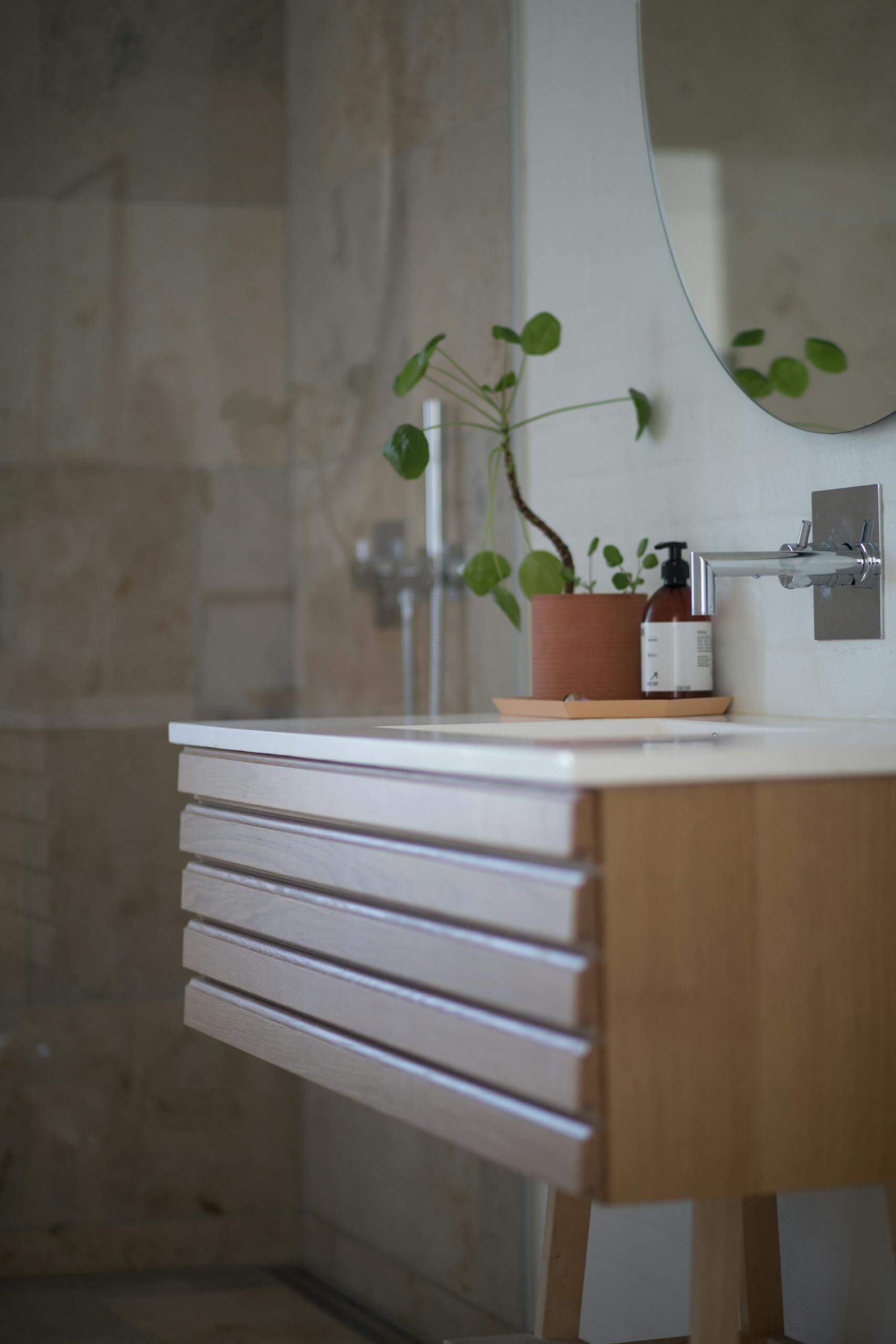
Bathrooms create the perfect environment for mold growth. They’re warm, damp, and often poorly ventilated. Black mold (Stachybotrys chartarum), one of the most dangerous types, thrives in these conditions. Watch for dark spots on walls or ceilings, musty smells, and peeling paint as signs of mold infestation.
Prevention: Your First Line of Defense
The best way to deal with mold is to stop it before it starts. Here are some key strategies:
- Improve ventilation: Use exhaust fans after showers. The U.S. Department of Energy reports this can cut moisture by 50%. Open windows when possible for fresh air flow.
- Control moisture: Wipe down wet surfaces after use. Use a squeegee on shower walls – this removes 75% of moisture in seconds.
- Choose mold-resistant products: Use non-toxic paints and sealants in your bathroom. Pick shower curtains made from natural, mold-resistant materials like hemp or bamboo.
Natural Cleaning Solutions for Mold Removal
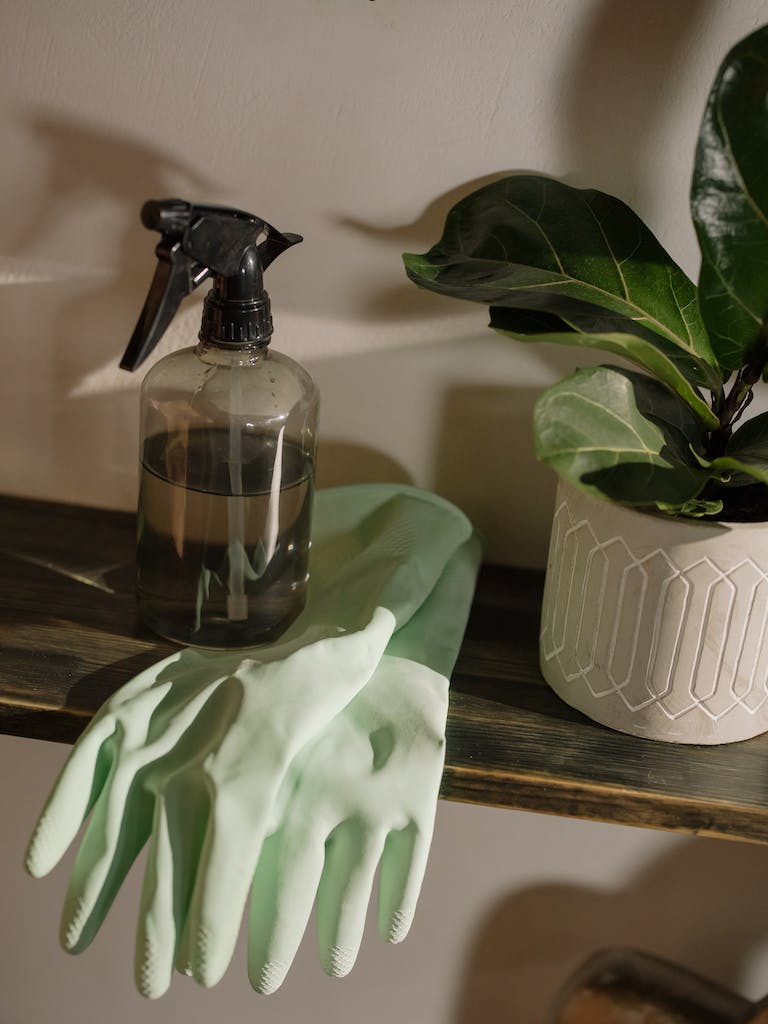
When mold appears, fight it with kitchen staples:
- Vinegar: Kills 82% of mold species.12Vinegar: Kills 82% of mold species.1
- Tea tree oil: Effective against 15 types of fungi (Journal of Antimicrobial Chemotherapy)4.
- Baking soda: A gentle yet powerful cleaner.
- Hydrogen peroxide: Kills 62% of airborne mold spores (Environmental Science & Technology)5.
DIY Mold-Busting Recipes
Try these homemade cleaners:
- All-purpose bathroom mold spray: Mix equal parts water and white vinegar in a spray bottle. Add 10 drops of tea tree oil per cup of liquid.
- Grout cleaner: Make a paste with baking soda and water. Apply to grout lines, let sit for 10 minutes, then scrub and rinse.
- Natural mildew-resistant refresher: Mix 1 cup water, 1/4 cup vodka, and 15 drops of lavender essential oil in a spray bottle. Use weekly to freshen the air and surfaces.
Caution: Always test these solutions on a small, inconspicuous area first to ensure they won’t damage surfaces.
Tackling Specific Bathroom Areas
Different parts of your bathroom need different approaches:
- Shower and bathtub: The National Air Duct Cleaners Association reports 60% of bathrooms have mold in the shower area. Use a vinegar spray, let sit for an hour, then scrub and rinse.
- Grout and caulk: Apply a paste of baking soda and hydrogen peroxide. Let sit overnight, then scrub with an old toothbrush.
- Ceilings: Mix 2 tablespoons tea tree oil with 2 cups water. Spray on the ceiling and wipe with a microfiber cloth.
- Textiles: Wash shower curtains and bath mats in hot water with vinegar. Dry completely in the sun if possible.
Maintaining a Mold-Free Bathroom
Prevention is ongoing. Make these habits part of your routine:
Daily:
- Squeegee shower walls after each use.
- Hang towels and bath mats to dry completely.
Weekly:
- Wipe down all surfaces with a vinegar solution.
- Clean the toilet, sink, and bathtub thoroughly.
Monthly:
- Clean exhaust fan and air vents.
- Check and clean behind toilets and under sinks.
- Wash shower curtains and bath mats.
The Centers for Disease Control and Prevention states that regular cleaning can prevent up to 90% of mold growth.6
When to Seek Professional Help
Sometimes, mold problems are too big to handle alone. Consider calling in experts if:
- Mold covers large areas (more than 10 square feet).
- You find mold inside walls or under floors.
- You have asthma or a weakened immune system.
Look for eco-friendly mold removal services that use non-toxic methods. HomeAdvisor reports professional mold removal costs $2,000-$6,000 on average, but it’s worth it for extensive problems.
Eco-Friendly Tools and Accessories
Choose sustainable cleaning tools:
- Natural fiber scrub brushes made from bamboo or coconut fiber.
- Microfiber cloths that remove up to 99% of bacteria without chemicals.
- Squeegees and organizers made from sustainable materials like bamboo or recycled plastic.
The Environmental Impact of Mold Prevention
Your efforts to prevent mold help the planet too:
- Using natural cleaners reduces harmful chemicals in waterways. The Environmental Working Group reports the average household uses 40 pounds of cleaning products yearly.
- Good ventilation can lower heating and cooling costs.
- Fixing leaks and controlling moisture reduces water waste.
Expert Insight: Dr. Aileen Marty, an infectious disease expert at Florida International University, notes, “Natural mold prevention methods can be as effective as chemical alternatives when used consistently, and they’re safer for both human health and the environment.”
Cost Comparison: Natural vs. Commercial Solutions
Natural solutions are often more cost-effective in the long run. While a bottle of commercial mold remover might cost $5-$10, a gallon of white vinegar (about $3) can make multiple batches of cleaner. Tea tree oil is pricier upfront but lasts for many applications.
Regional Considerations
Climate affects mold growth and prevention strategies. In humid areas, dehumidifiers may be necessary alongside other prevention methods. In drier climates, focus on addressing leaks and improving ventilation.
Fighting bathroom mold naturally is not only possible, it’s better for your health and the environment. Start with prevention, use natural cleaners, and maintain good habits. Your bathroom will stay mold-free, and you’ll breathe easier knowing you’re using safe, effective solutions.
Product Recommendations
To get started, try these eco-friendly products:
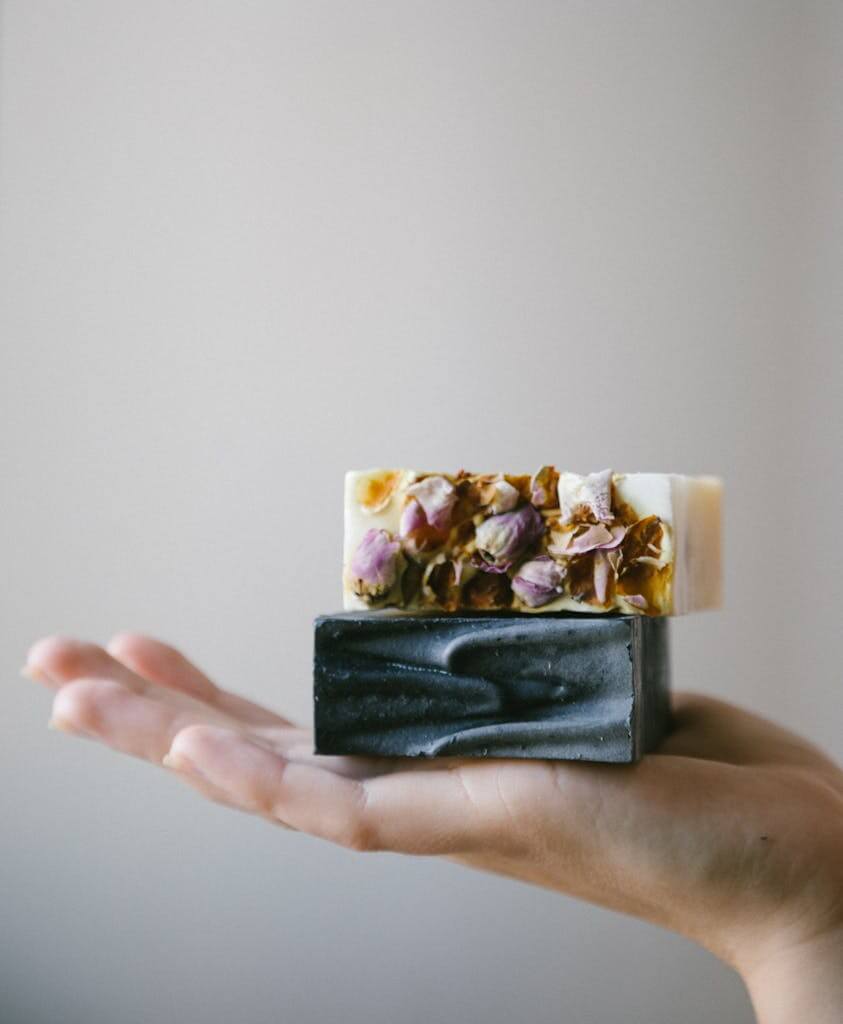
- Natural cleaning ingredients: White vinegar, tea tree essential oil, baking soda, and 3% hydrogen peroxide.
- Eco-friendly accessories: Bamboo bath mat, natural loofah sponge, microfiber cleaning cloths.
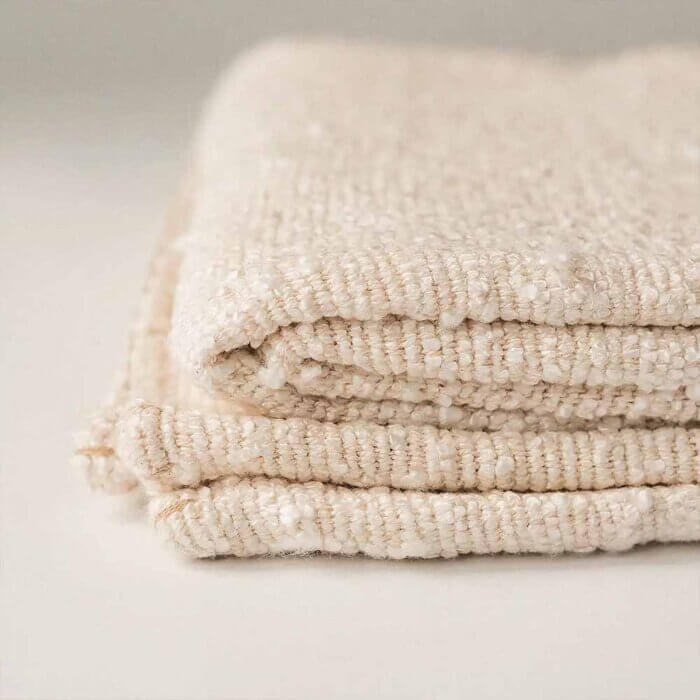
- Non-toxic, mold-resistant textiles: Organic cotton shower curtain, quick-dry bamboo towels, washable bath rug made from recycled materials.
By using these natural methods and products, you can keep your bathroom mold-free and eco-friendly. Remember, consistency is key in preventing mold growth. With these tips, you’re well on your way to a healthier, cleaner bathroom.
SOURCES
- Cortesia, Claudia, et al. “Acetic Acid, the Active Component of Vinegar, Is an Effective Tuberculocidal Disinfectant.” mBio, vol. 5, no. 2, 2014, doi:10.1128/mBio.00013-14. PMC, www.ncbi.nlm.nih.gov/pmc/articles/PMC3940030/. ↩︎ ↩︎
- May, J., et al. “Time–kill Studies of Tea Tree Oils on Clinical Isolates.” Journal of Antimicrobial Chemotherapy, vol. 45, no. 5, May 2000, pp. 639–643, doi:10.1093/jac/45.5.639. Accessed 6 July 2024. ↩︎
- Cortesia, Claudia, et al. “Acetic Acid, the Active Component of Vinegar, Is an Effective Tuberculocidal Disinfectant.” mBio, vol. 5, no. 2, 2014, doi:10.1128/mBio.00013-14. PMC, www.ncbi.nlm.nih.gov/pmc/articles/PMC3940030/. ↩︎ ↩︎
- Centers for Disease Control and Prevention. “Basic Facts about Mold and Dampness.” CDC, 11 Aug. 2020, www.cdc.gov/mold/faqs.htm. Accessed 6 July 2024. ↩︎
- ↩︎
- ↩︎