TLDR: The Healthiest Cookware Materials in 2025
For those short on time: The safest, healthiest cookware materials are high-quality stainless steel, properly seasoned cast iron, carbon steel, and glass or ceramic (from reputable sources).
- Best overall choice: 18/10 stainless steel – versatile, durable, and low maintenance
- Best for searing and high heat: Cast iron or carbon steel – naturally non-stick when seasoned
- Best for acidic foods: Stainless steel or glass – non-reactive materials
- Avoid or use with caution: Damaged non-stick, unlined copper, and raw aluminum with acidic foods
- Most important factors: Material safety, your cooking style, and proper maintenance
Whatever you choose, proper care extends both safety and lifespan. Your specific cooking needs should guide your final decision.
Choosing the healthiest material for cookware is one of the most important decisions you can make for your kitchen. When I bought my first apartment, my mom gifted me her old pots and pans. They were well-loved (translation: scratched and worn) and I wondered if cooking with them was actually safe. This started my research into cookware materials and their impact on health.
After years of testing different types of cookware, talking with chefs, and reading scientific studies, I’m sharing this guide to help you find the best material for pots and pans that won’t just cook your food well but keep you healthy too.
>> Also Read: Natural Home Acoustics: How to Improve Sound for Relaxation


Your Choice of Cookware Materials Matter for Your Health
The pots and pans you use can affect:
- The taste of your food
- How evenly your food cooks
- The nutrients that stay in your food
- Potentially harmful substances that might get into your food
Not all cookware materials are created equal. Some might release chemicals or metals into your food when heated, while others are totally non-reactive and safe. Finding the healthiest material for cookware means understanding how different materials interact with your food and impact your health over time.
The science behind cookware safety is important to understand. When cookware is heated, scratched, or comes into contact with acidic foods, small amounts of the materials can migrate into your food. This is called leaching. Some materials, especially those with synthetic coatings, may also release toxic fumes at high temperatures.
Dr. Elizabeth Bradley from Cleveland Clinic points out that certain toxins found in cookware could build up in the body over time, potentially leading to health issues. For example, Teflon (PTFE) can release toxic fumes when overheated, causing a condition known as “polymer fume fever.”
The condition of your cookware also matters – scratched pans can more easily leach substances into your food, making proper maintenance an important part of kitchen health.
The Healthiest Material for Cookware: Safety Rankings
When searching for the healthiest material for cookware, you need to consider several key factors: reactivity with food, potential for leaching harmful substances, durability, and how the material responds to heat.
Here’s my ranking of cookware materials from most to least healthy, based on safety, durability, and cooking performance:

Let’s take a closer look at each one.
Cast iron has been used for cooking for over 2,000 years, and for good reason
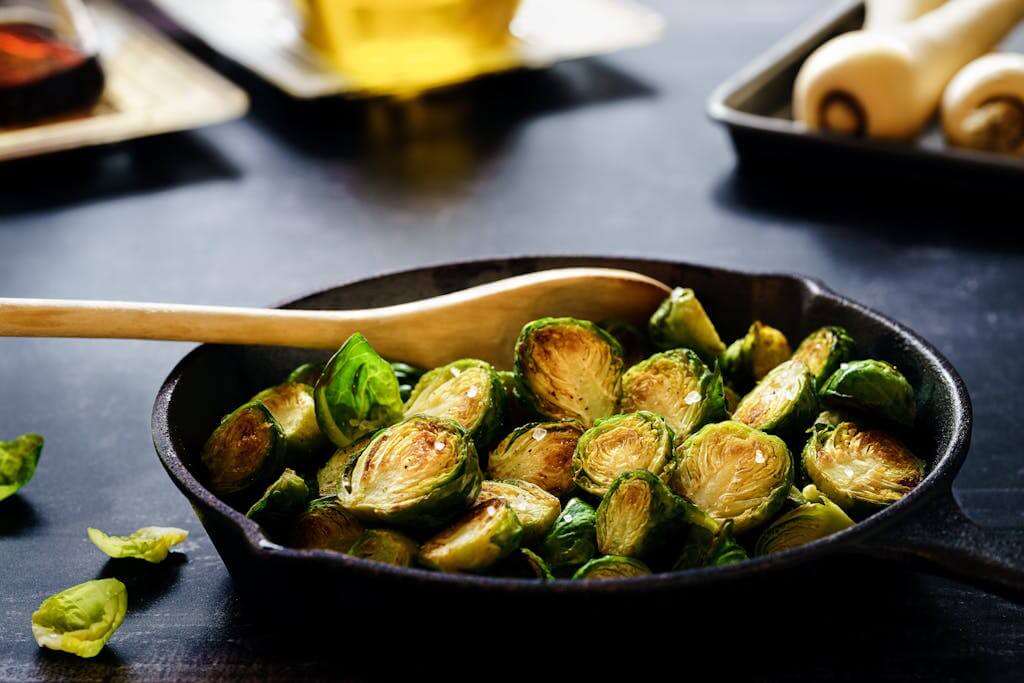
This type of cookware has stood the test of time and remains one of the best materials for pots and pans.
Pros:
- Completely non-toxic when properly seasoned
- Adds beneficial iron to your food (studies show it can raise blood hemoglobin levels)
- Incredibly durable (can last for generations)
- Exceptional heat retention
- Affordable compared to other high-quality options
- Naturally non-stick when well-seasoned
- Versatile for searing, frying, baking, and slow cooking
Cons:
- Heavy and sometimes hard to handle
- Requires maintenance (seasoning)
- Can react with acidic foods
- Poor heat conductor (heats up slowly and can develop hot spots)
- Can impart a metallic taste with acidic foods
Cast iron is a top choice if you want a healthy, long-lasting cooking surface. A properly seasoned cast iron pan creates a natural, chemical-free non-stick surface.
Health tip: People with iron deficiency anemia may benefit from cooking with cast iron, as small amounts of iron transfer to food during cooking. However, for men and post-menopausal women who may already have high iron levels, the additional iron might not be beneficial.
Cooking tip: While short cooking times with small amounts of acidic ingredients are generally fine in cast iron, avoid prolonged simmering of acidic sauces which can strip the seasoning and affect taste.
Stainless Steel
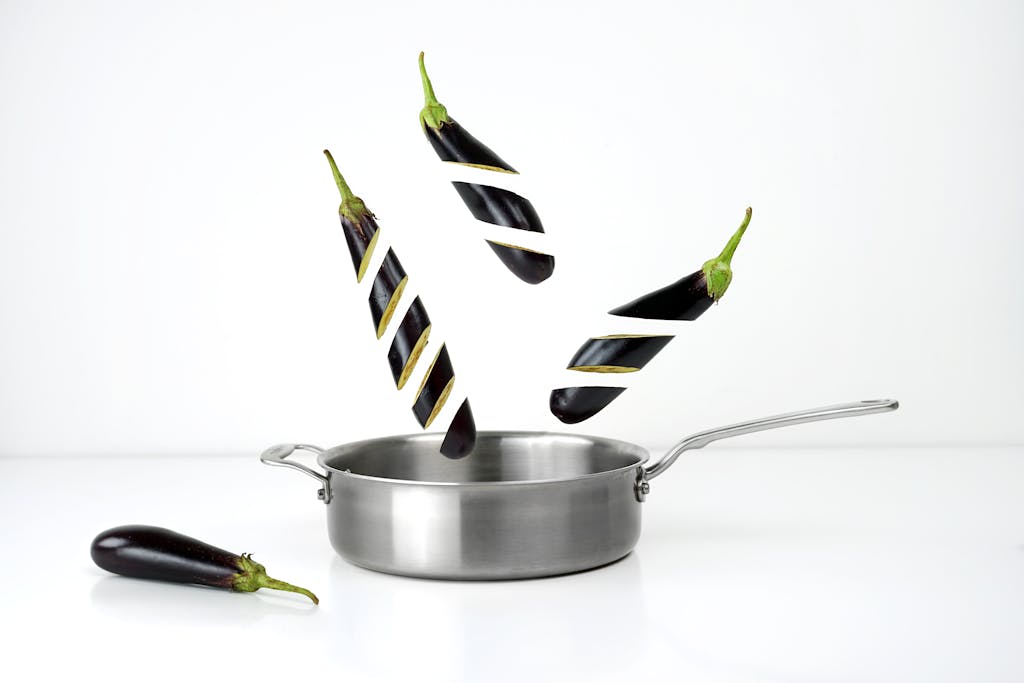
Stainless steel is a staple in both home and professional kitchens. It’s an alloy made from iron, chromium, and often nickel and other metals.
Pros:
- Non-reactive and safe for most types of food
- Very durable and scratch-resistant
- Dishwasher safe
- Low maintenance
- Good for high-heat cooking
- “Clad” versions with aluminum or copper cores offer excellent heat distribution
Cons:
- Not naturally non-stick
- Can be expensive for high-quality sets
- Potential leaching of nickel and chromium when cooking acidic foods for extended periods
- Not the best heat conductor on its own
Look for 18/10 stainless steel, which contains 18% chromium and 10% nickel. This high-grade composition offers excellent corrosion resistance and durability. For those with nickel sensitivities, consider higher grades like 316 stainless steel, which offers superior corrosion resistance and lower likelihood of metal release.
Pro cooking tip: To prevent food from sticking to stainless steel, preheat the pan, then add oil, and wait until the oil is hot before adding food.
Health note: While stainless steel is generally considered safe, research suggests that very low levels of metals, particularly nickel, could leach when cooking acidic foods for extended periods. Avoid cooking highly acidic foods like tomato sauce in stainless steel for many hours, especially if you have nickel sensitivity.
Carbon Steel
Carbon steel is like cast iron’s lighter, more responsive cousin. It’s a versatile alloy made primarily of iron with a small amount of carbon, and it’s a favorite in professional kitchens.

Pros:
- Naturally non-toxic
- Lighter than cast iron
- Heats up faster than cast iron with excellent heat conduction
- Develops a natural non-stick surface through seasoning
- Very durable and can withstand high temperatures
- Can add beneficial iron to food (good for those with iron deficiency)
Cons:
- Requires regular seasoning and maintenance
- Can rust if not properly cared for
- Reactive to acidic foods (tomatoes, vinegar, wine, and citrus)
- Cooking acidic foods can strip away seasoning
Carbon steel pans are perfect for high-heat cooking methods like searing and stir-frying. They’re also great for making crepes and omelets once properly seasoned.
Cooking tip: Avoid prolonged cooking of acidic foods in carbon steel cookware, as this can strip the seasoning and potentially lead to sticking and a metallic taste in food. Re-season the pan if you do cook with acidic ingredients.
Glass
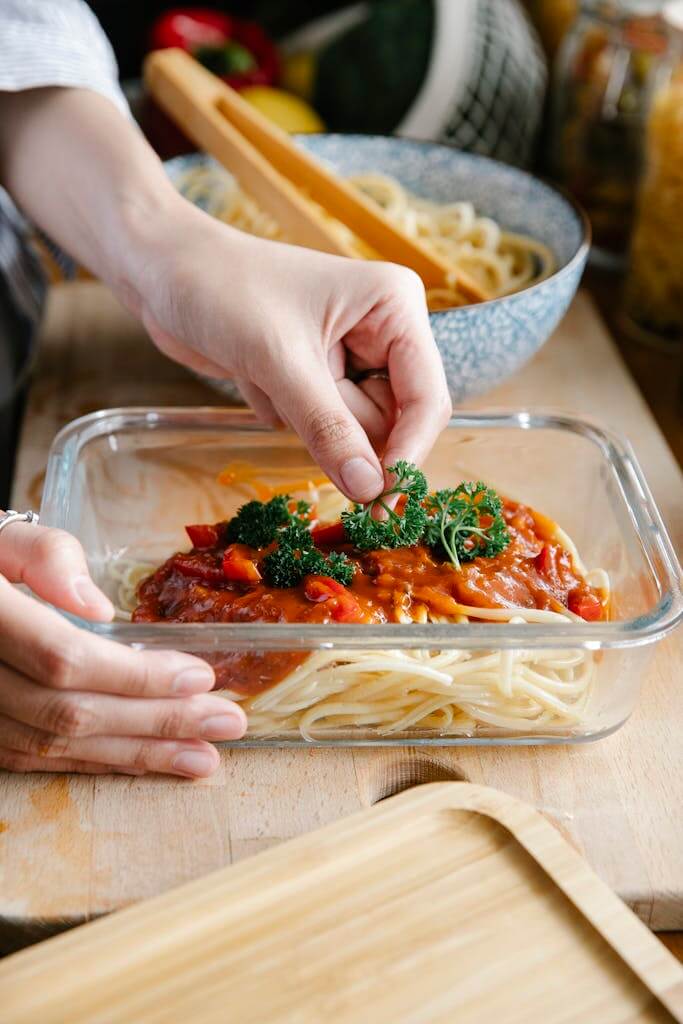
Glass cookware is made from silica, soda ash, and limestone. It’s completely inert and won’t react with food.
Pros:
- 100% non-toxic and non-reactive
- Free from any chemicals
- Easy to clean
- You can see the food as it cooks
- Doesn’t absorb odors or flavors
Cons:
- Can break or shatter
- Poor heat conductor
- Not suitable for high-heat cooking on stovetops
Glass is best for baking dishes and storage containers, rather than stovetop cooking.
Clay and Stoneware
Clay and stoneware represent some of the oldest forms of cooking vessels used by humans.
Pros:
- Distributes heat gently and evenly
- Excellent heat retention once heated
- Non-reactive material that won’t affect food flavor
- Unglazed clay can create a steam environment that enhances moisture
- May infuse foods with beneficial minerals like calcium and phosphorus
- Often beautiful and unique in appearance
Cons:
- Potential presence of lead and cadmium in some glazes
- Fragile and susceptible to cracking from sudden temperature changes
- Heats slowly due to low thermal conductivity
- Requires proper seasoning for unglazed varieties
Health note: Choose clay and stoneware from reputable sources that certify their products as lead-free and safe for food use. Heavy metals can leach into food, especially when cooking acidic ingredients, posing health risks particularly for young children.
Ceramic
True ceramic cookware is made from clay that’s been hardened by fire. Modern ceramic-coated cookware has a metal base with a ceramic-like coating.
Pros:
- Typically non-toxic with silica-based coatings
- Non-reactive with acidic foods
- Can handle moderate heat
- Good heat distribution and retention
- Often very beautiful designs
- Allows cooking with less oil or butter
- Free from PFAS chemicals like PFOA and PTFE
Cons:
- Coating can wear out faster than traditional non-stick surfaces
- More prone to chipping or cracking if not handled carefully
- Usually more expensive
- Heavier than some other options
- Potential risk of heavy metals in glazes of lower-quality products
Pure ceramic is a great healthy option, but be aware that ceramic coatings may vary in quality and durability. Even with “ceramic” non-stick coatings, the durability tends to be less than traditional non-stick surfaces, especially with frequent use or exposure to high heat.
Health note: While generally considered non-toxic, there can be a potential risk of heavy metals like lead and cadmium in the glazes of some older or lower-quality ceramic cookware. Choose ceramic cookware from reputable brands that ensure their products are free from these harmful substances.
Enameled Cast Iron
Enameled cast iron combines the benefits of cast iron with a smooth, durable enamel coating made from glass particles.
Pros:
- Non-reactive surface safe for all foods, including acidic ingredients
- Doesn’t need seasoning
- Excellent heat retention
- Available in beautiful colors
- Won’t rust
- Naturally slick surface that reduces sticking
- Versatile for stovetop and oven use
- Ideal for slow cooking, braising, and simmering
Cons:
- Very heavy
- Expensive
- Enamel can chip or crack if exposed to thermal shock
- Susceptible to damage if metal utensils are used
Popular brands like Le Creuset and Staub make high-quality enameled cast iron that can last for decades with proper care.
Health note: While generally considered safe, there have been concerns about potential lead or cadmium in enamel coatings, particularly in brightly colored or lower-quality products. Purchase enameled cast iron from reputable manufacturers who adhere to strict safety standards and test their products to ensure they’re free from harmful substances.
Care tip: Avoid drastic temperature changes that can cause the enamel to crack or chip. Let the cookware cool before washing, and use wooden or silicone utensils to protect the surface.
Copper
Copper cookware offers the best heat conductivity of any material, but comes with some health considerations.
Pros:
- Excellent heat conductivity (the best of all cookware materials)
- Precise temperature control
- Beautiful appearance
- Heats up and cools down quickly
- Yields uniformly browned meats and beautiful caramelization
Cons:
- Requires maintenance (regular polishing)
- Very expensive
- Highly reactive with acidic foods
- Copper can leach into food if not lined
- Potential copper toxicity from unlined cookware
Most copper cookware today is lined with stainless steel to prevent copper from leaching into food. While stainless steel lining is durable, some cooks believe it slightly reduces copper’s exceptional responsiveness to heat. Tin linings offer excellent non-stick properties but have a lower melting point and are less durable.
Health warning: Unlined copper cookware should only be used for specific purposes like beating egg whites or making jam. Acids like vinegar and tomatoes can cause copper to leach into food, which over time can lead to copper toxicity. Symptoms can include nausea, vomiting, and diarrhea.
Non-stick (PTFE/Teflon)
Non-stick cookware, often recognized by the brand name Teflon, has revolutionized cooking for its convenience but comes with health questions.
Pros:
- Easy to cook with and clean
- Requires less oil for cooking
- Prevents food from sticking even with minimal oil
- Lightweight
- Affordable options available
- Particularly good for delicate foods like eggs, pancakes, and fish
Cons:
- Coatings can scratch and deteriorate over time
- Releases toxic fumes when overheated (above 500°F/260°C)
- Can cause “polymer fume fever” with flu-like symptoms if overheated
- Shorter lifespan than other materials
- Environmental concerns
- Production historically involved PFOA, though modern versions are generally PFOA-free
Health notes: When PTFE coatings are heated above approximately 500°F (260°C), they can break down and release toxic fumes. While ingested PTFE particles are generally considered harmless as they pass through the digestive system, the release of fumes at high heat is a valid concern.
Safety tips: To use PTFE-coated cookware safely, avoid preheating empty pans on high heat, cook at medium or low temperatures, and ensure good ventilation in the kitchen. Replace pans once they show signs of scratching or deterioration.
Aluminum
Plain aluminum is rarely used for cookware nowadays due to health concerns, but anodized aluminum addresses many of these issues.
Pros:
- Excellent heat conductor (second only to copper)
- Lightweight and easy to handle
- More affordable than many options
- Anodized versions are harder and more durable
Cons:
- Pure aluminum is reactive with acidic and alkaline foods
- Can impart a metallic taste to food
- Some health concerns about aluminum exposure
- Not as durable as stainless steel or cast iron
Health concerns: Research has suggested a possible link between high aluminum levels in the brain and an increased risk of developing Alzheimer’s disease, though this connection remains under study. Aluminum can react with acidic foods like vinegar, tomatoes, and lime, causing aluminum ions to dissolve into food.
Hard-anodized aluminum has been treated through an electrochemical process that creates a hard, non-reactive oxide layer on the surface. This makes the cookware more durable, scratch-resistant, and significantly reduces aluminum leaching, even when cooking acidic ingredients.
Cooking tip: Avoid cooking or storing highly acidic foods in untreated aluminum for extended periods. Opt for anodized aluminum when possible for safer cooking while still enjoying aluminum’s excellent heat conductivity.
How to Choose the Best Cookware for Your Kitchen
When selecting the best material for pots and pans, consider:
- Your cooking style and frequency: Different cooking methods work better with different materials. If you sear meats often, cast iron and carbon steel excel due to their high heat retention. For delicate foods like eggs and fish, non-stick and ceramic are ideal.
- Health priorities: Some materials are completely inert, while others may have minimal reactivity. Your personal health profile matters – if you have nickel allergies, be cautious with stainless steel. If you need more iron, cast iron might be beneficial.
- Maintenance willingness: Some cookware needs more care than others. Cast iron and carbon steel require regular seasoning, while stainless steel is lower maintenance.
- Budget and long-term investment: The initial cost varies widely. Aluminum and lower-grade stainless steel are budget-friendly, while copper and high-end enameled cast iron represent significant investments that can last decades.
- Weight and comfort: Consider the weight of materials like cast iron if you have limited strength or mobility.
I recommend having a mix of cookware materials in your kitchen for different purposes:
- Cast iron or carbon steel for searing and high-heat cooking
- Stainless steel for everyday cooking and acidic foods
- Ceramic or glass for baking
- A small non-stick pan for eggs if you prefer the convenience.
Cookware Materials at a Glance

Caring for Your Cookware to Maximize Safety and Lifespan
To ensure the safety and longevity of your cookware, follow these essential care tips:
General Guidelines for All Cookware:
- Avoid overheating empty pans, which can damage materials and potentially release harmful fumes
- Use appropriate heat settings for each type of cookware
- Ventilate your kitchen well when cooking
- Use non-abrasive cleaning methods
- Avoid metal utensils on delicate surfaces
- Don’t store food in reactive cookware for long periods
- Replace damaged cookware, especially scratched non-stick surfaces
Specific Care Instructions:
Stainless Steel:
- Preheat your pan before adding oil to prevent sticking
- Clean promptly after use to avoid stubborn stains
- Use Barkeeper’s Friend to remove discoloration
- Can use soap and scrubbing pads safely
Copper:
- Hand wash with mild detergent and soft cloth
- Polish regularly to maintain shine
- Avoid abrasive cleaners on interior lining
Aluminum:
- Avoid cooking highly acidic foods in unanodized aluminum
- Hand wash gently to prevent scratches
- Dry thoroughly after washing
Carbon Steel & Cast Iron:
- Season regularly with thin layer of oil
- Wash by hand with warm water; minimal soap for cast iron
- Dry immediately and thoroughly after washing to prevent rust
Enameled Cast Iron:
- Avoid sudden temperature changes to prevent thermal shock
- Use non-metal utensils to prevent scratching
- Hand washing is generally recommended
Clay & Stoneware:
- Season unglazed pieces before first use
- Avoid sudden temperature changes
- Hand wash gently with mild soap
Non-stick & Ceramic:
- Use low to medium heat only
- Avoid metal utensils that can scratch coatings
- Hand wash with soft sponge and mild detergent