
Organic cotton bedding brings a touch of natural luxury to your bedroom. But keeping your organic cotton duvet fresh and clean can be a challenge. You want to protect the environment while caring for your investment.
This blog post shares simple tips to properly Care For Your Organic Cotton Duvet. You’ll learn the best practices for machine washing, air drying, and proper storage. With a few easy steps, you can keep your organic cotton bedding looking and feeling great for years.

Tips to Care For Your Organic Cotton Duvet
- Use cold to warm water (86-104°F / 30-40°C) and the gentle cycle to wash organic cotton duvets. Avoid high heat which can damage the fibers.
- Choose eco-friendly, plant-based laundry detergents without harsh chemicals like sulfates, phosphates, and optical brighteners. Avoid fabric softeners and bleach as they reduce the duvet’s durability.
- Button or zip the duvet cover before washing, and wash it separately from other items to prevent tangling and dye transfer.
- Dry the duvet on low heat or air-dry settings. Adding wool dryer balls can help speed up drying and soften the fabric naturally.
- Store the duvet in a cool, dry place using a breathable bag or container to prevent moisture damage and mold growth. Avoid direct sunlight and plastic bags that trap moisture.
Also Read>> Duvet Cover vs. Comforter: Understanding the Differences
How do you wash a 100% cotton duvet?
When washing your duvet, the right water temperature and detergent makes a difference. Washing machines help clean the duvet covers thoroughly.
Using plant-based laundry detergents is better for the environment. Avoid fabric softeners as they can damage the cotton fibers.

Recommended water temperature
Organic cotton thrives at moderate water temperatures. Experts recommend washing organic cotton duvets in cold to warm water, around 86-104°F (30-40°C). High heat weakens fibers and causes shrinkage.
Cold water helps preserve colors and fabric integrity. It kills most bacteria too. Manufacturers suggest the gentle cycle for organic cotton bedding. Natural detergents work best. Avoid fabric softeners and harsh chemicals as they diminish breathability.
Consider an eco-friendly washing machine to reduce your carbon footprint.
Don’t over-dry duvets on high heat either. It damages organic fibers. Moderate temperatures preserve organic cotton’s qualities.
Also Read >> How to prevent duvet shifting inside the cover
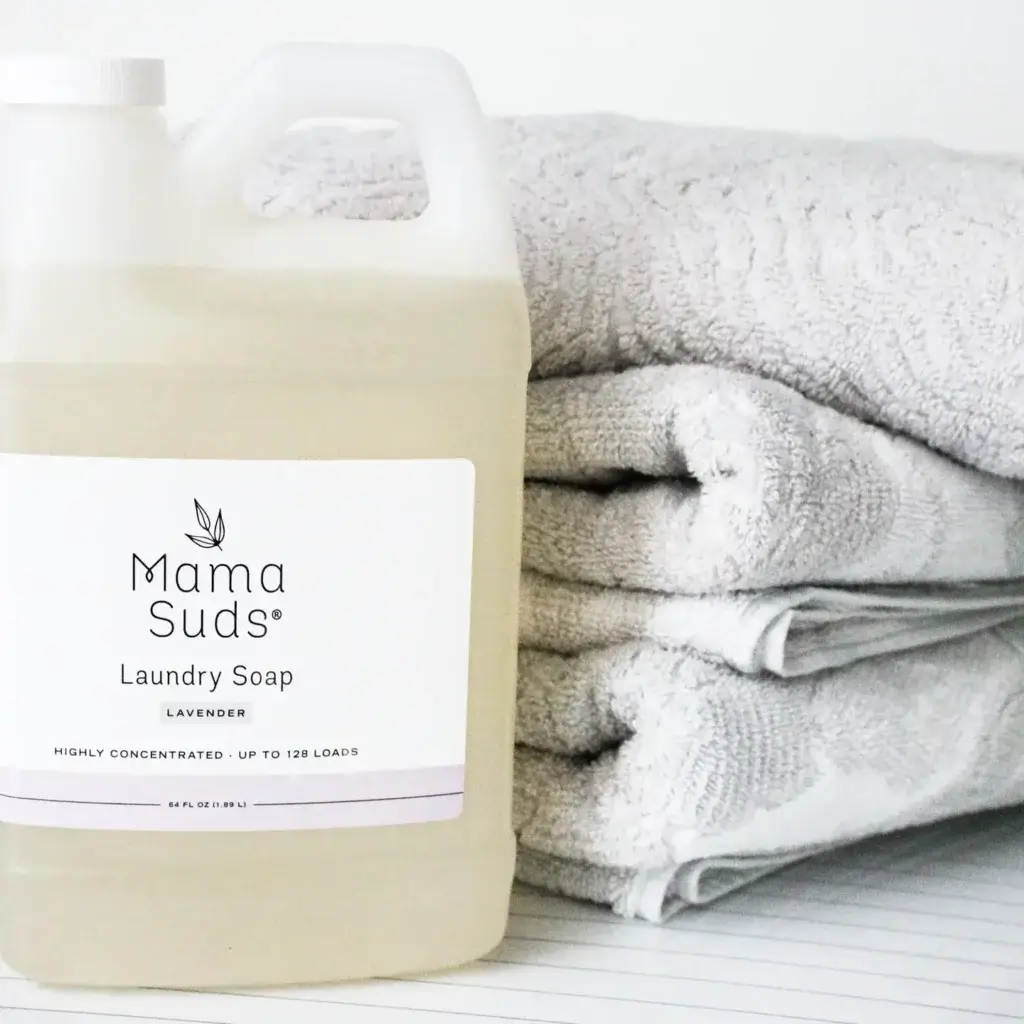

Eco-Friendly Detergents
Our new collection of eco-friendly detergents is designed to provide you with powerful cleaning while protecting the planet. Whether you’re washing clothes, dishes, or cleaning your home, our eco-friendly detergents offer a safe and sustainable alternative to traditional products.
Detergent recommendations
Using plant-based laundry soap is ideal for washing organic cotton textiles. Commercial detergents contain chemicals harming linens and polluting waterways. Seek eco-friendly products without plastic packaging and artificial scents.
Read ingredient labels to avoid sulfates, phosphates, and optical brighteners damaging fabrics.
Look for concentrated formulas requiring less water and generating less waste. Consider making your own detergent with biodegradable castile soap and washing soda. Add baking soda for extra cleaning power.
Wool dryer balls soften fibers naturally without synthetic fabric conditioner residue building up.

Avoiding fabric softeners and bleach
Eco-friendly detergents preserve organic cotton’s natural strength. However, fabric softeners and bleach degrade fibers, reducing durability. Choosing plant-based formulas without chlorine maintains quality.
Conventional fabric softeners coat cotton strands, weakening their structure over time. This pilling and thinning shortens the organic duvet’s lifespan. Similarly, bleach’s harsh chemicals damage delicate cotton fibers.
Instead, use oxygen-based stain removers that gently lift dirt without compromising integrity.
Avoiding softeners and bleach preserves organic cotton’s longevity. I’ve learned this firsthand – my organic bedding stays soft and vibrant by skipping these additives. With proper eco-friendly washing, your quality duvet can provide cozy comfort for years.
Always add a cup of white vinegar to your washing. White vinegar will soften your fabric and is also a wonderful disinfectant that’s all natural.
Properly buttoning and separating
Button up your duvet cover before washing. Separate it from other linens.
- Fasten all buttons or zippers securely. An open duvet cover tangles with other items.
- Wash the duvet cover alone or with similar colors. Mixing causes dye transfer.
- Use a gentle cycle with cool water. Hot temperatures damage organic fibers.
- Avoid chlorine bleach or fabric softeners. They contain harsh chemicals incompatible with organics.
- Remove promptly after the cycle ends. Leaving it prevents wrinkles and mildew growth.
- Hang dry or tumble dry on low heat. High temperatures weaken cotton’s integrity.
I buttoned my organic cotton duvet cover before washing. It emerged tangle-free alongside the pillowcases. Proper separation from towels and sheets prevented dye bleeding or snagging. Following care instructions preserved my organic bedding’s quality.
Drying tips
Properly drying organic cotton duvets preserves their quality. Avoid harsh heat that can damage natural fibers.
- Use low or air-dry settings on the dryer cycle. High temperatures break down cotton fibers faster.
- Routinely fluff and reposition the duvet during drying cycles. This prevents clumping and ensures even drying.
- Add wool dryer balls to the load. They’ll soften fabric while speeding up drying times.
- Shake out the duvet after removing from the dryer. Fluffing restores loft lost during washing.
- Line or rack dry when possible. Sunlight naturally sanitizes and brightens organic bedding.
- Check drying progress periodically. Extend time if any damp spots remain.
- Never leave damp duvets sitting. Mildew can quickly form on wet natural fabrics.
- Avoid using dryer sheets. Residues coat fibers, reducing breathability.
From personal experience, line drying gives organic cotton that fresh, sun-dried scent. However, using eco-friendly dryer balls provides excellent softness if you machine dry.
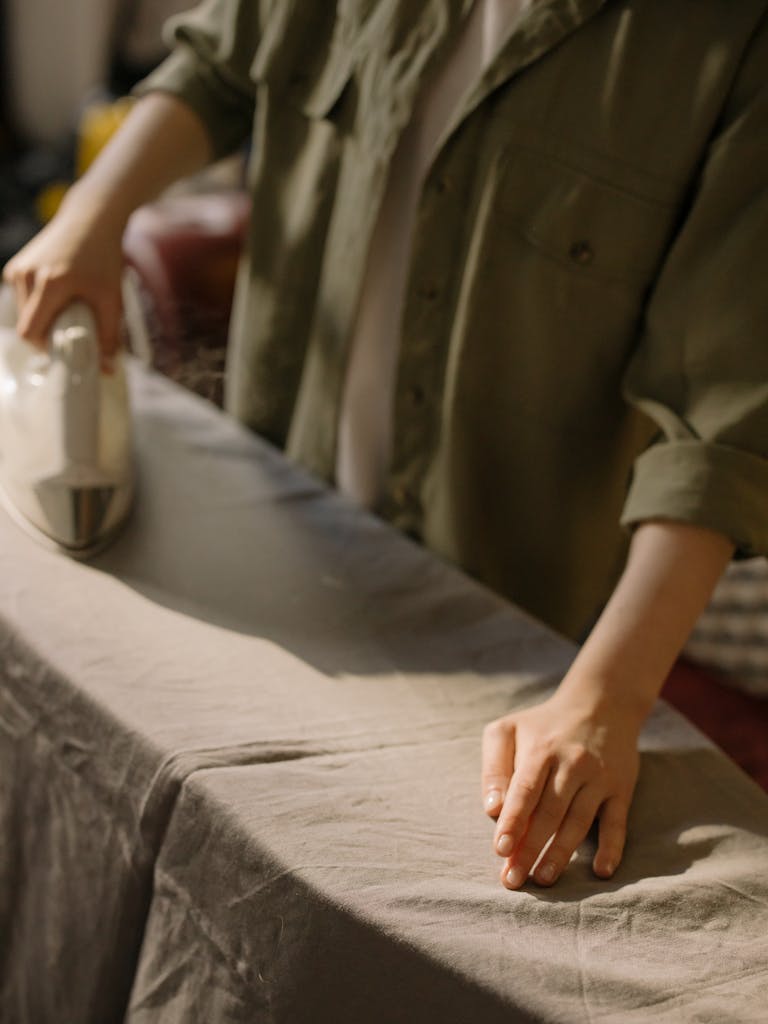
Ironing
Ironing your organic cotton duvet can help maintain its appearance and softness. However, it’s essential to use the correct techniques to avoid damaging the fibers. Follow these steps for the best results:
- Check the care label: Before ironing, always check the care label on your duvet for specific instructions. Some organic cotton duvets may have special requirements or be better suited to steaming rather than ironing.
- Set the iron temperature: Set your iron to the appropriate temperature for cotton fabrics. This is usually a high heat setting, but refer to the care label to be sure.
- Prepare the duvet: Lay your duvet flat on a large, sturdy ironing board. If your duvet is too large for the ironing board, you may need to iron it in sections.
- Use a pressing cloth: Place a clean, damp pressing cloth over the area you wish to iron. This will help protect the fabric from direct heat and prevent scorching or shiny marks.
- Iron in sections: Slowly move the iron over the pressing cloth, applying gentle pressure. Work in small sections, making sure to cover the entire surface of the duvet. Pay extra attention to creased or wrinkled areas.
- Use steam: If your iron has a steam function, use it to help remove stubborn wrinkles and refresh the fabric. Hold the iron slightly above the pressing cloth and allow the steam to penetrate the fibers.
- Flip and repeat: Once you’ve finished ironing one side of the duvet, flip it over and repeat the process on the other side.
- Allow to cool: After ironing, allow your duvet to cool completely before using or storing it. This will help set the freshly pressed appearance.
Dealing with stains
Accidents happen, and even the most careful people may encounter stains on their organic cotton duvets.
Here’s a step-by-step guide to help you effectively remove stains without damaging the fibers:
- Act quickly: The sooner you address a stain, the easier it will be to remove. If possible, treat the stain immediately after it occurs.
- Blot, don’t rub: Use a clean, white cloth or paper towel to gently blot the stain. Avoid rubbing, as this can spread the stain and damage the fibers.
- Identify the stain: Different types of stains require different treatments. Common stains on duvets include sweat, blood, makeup, food, and beverages.
- Pre-treat the stain: Apply a small amount of stain remover or gentle, eco-friendly detergent directly to the stain. Gently work the product into the fabric using your fingers or a soft-bristled brush.
- Soak in cold water: Fill a sink or basin with cold water and submerge the stained area of the duvet. Allow it to soak for 15-30 minutes, depending on the severity of the stain.
- Wash as usual: After pre-treating and soaking, wash your duvet according to the care label instructions. Use cold or warm water and a gentle, eco-friendly detergent.
- Air dry: Hang your duvet to air dry, as heat from a dryer may set any remaining stains. If possible, dry your duvet in direct sunlight, as the sun’s UV rays can help naturally break down and remove stains.
- Repeat if necessary: If the stain persists after washing, repeat the pre-treatment and soaking process before washing again.
Natural stain removers for organic cotton duvets For a more eco-friendly approach, try these natural stain removers:
- Baking soda paste: Mix baking soda with water to form a paste. Apply directly to the stain, allow it to sit for 15-20 minutes, then rinse with cold water.
- White vinegar: Mix equal parts white vinegar and water in a spray bottle. Spray the solution onto the stain, let it sit for 10-15 minutes, then blot with a clean cloth.
- Lemon juice: Apply fresh lemon juice directly to the stain, allow it to sit for 10-15 minutes, then rinse with cold water. This is particularly effective for whitening and brightening organic cotton.
Also Read >> How To Get Blood Out Of Comforter: A Comprehensive Guide
Storage and Tips to Care For Your Organic Cotton Duvet
Store your organic cotton duvet in a cool, dry place. This keeps it fresh and prevents moisture damage. Use a breathable bag or box. Check the content periodically.
Keep it clean
Regular washing keeps your organic cotton duvet fresh. It removes dirt, oils, and allergens. For best results, wash bedding every one to two weeks. Use the gentle cycle with cold to warm water.
Choose a mild, bleach-free detergent. Avoid fabric softeners and dryer sheets. They can coat fibers with chemicals.
Prior to storage, ensure your duvet is impeccably clean and completely dry. This prevents mold, mildew, and odors. Air drying on a clothesline is ideal for organic cotton. It extends longevity.
Avoid excessive sun exposure to prevent fading. Use a breathable storage bag or container. This allows the textile to breathe.
Avoid moisture
Additionally, cotton attracts moisture. Dampness harbors mildew spores. Thus, storing your duvet in humid areas promotes mold growth. Opt for cool, dry spots like linen closets or under beds.
Choose breathable containers over plastic bags that trap moisture. Taking precautions protects renewable materials.
Natural fibers easily absorb humidity from air. Attics and basements encourage textile decay. Your comforter’s cotton demands consistent temperatures. Invest in humidity-controlling devices if needed.
Preventing wetness extends an organic duvet’s lifetime. Moisture ruins bedding investments.
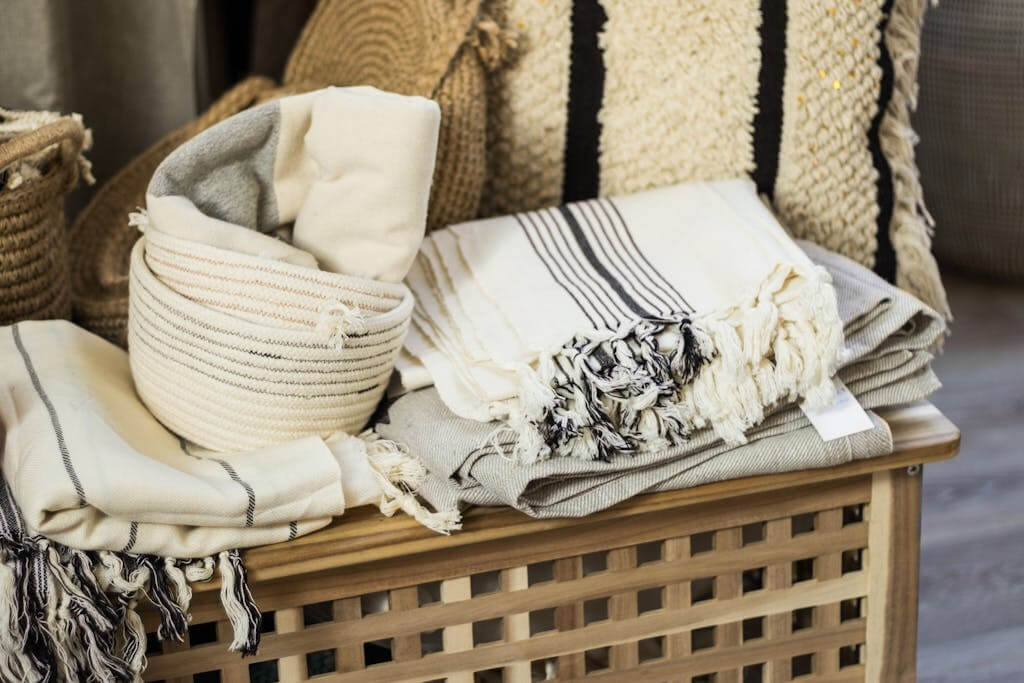
Store in a breathable bag or container.
Organic cotton duvet covers require proper storage. Use breathable bags or containers. Fabric bags allow airflow, preventing mold and mildew growth. Textile boxes with lids work well too.
Avoid direct sunlight and heat.
Maintain freshness between washings. Plastic bins trap moisture, leading to unpleasant smells. Cotton garment bags provide airflow while protecting from dust. Vacuum-sealed packs compress fabric over time.
Proper storage preserves softness and color vibrancy.
It is easy to take care for your organic cotton duvet, as you can see . Follow the recommended washing methods to maintain its softness. Air-drying preserves the natural fibers. Proper storage keeps your cozy bedding fresh.