

Are you fascinated by the sleek lines, geometric shapes, and functional designs of modern architecture? If so, you’ve likely been captivated by the influence of the Bauhaus, a groundbreaking German art school that revolutionized design and architecture in the early 20th century.
In this article, we’ll explore the essence of Bauhaus architecture, its historical context, and its lasting impact on the world of design.
What Is Bauhaus Architecture?
Bauhaus architecture is a modernist architectural style that emerged from the influential Bauhaus school in Germany. Founded by Walter Gropius in 1919, the Bauhaus movement sought to unify art, craft, and technology, creating a new approach to design that prioritized functionality, simplicity, and innovation.
Key characteristics of Bauhaus architecture include:
- Emphasis on functionality and practicality
- Minimalist aesthetic with clean lines and geometric forms
- Innovative use of modern materials like steel, glass, and reinforced concrete
- Seamless integration of art and technology in design
- Focus on mass production and standardization

The Birth of Bauhaus: Historical Context
The Bauhaus school was founded in the wake of World War I, during a time of rapid industrialization and social change. Walter Gropius, a German architect, established the school to bridge the gap between art and industry, believing that design could be used to improve people’s lives and shape a better future.
Throughout its 14-year existence, the Bauhaus attracted some of the most influential artists, designers, and architects of the time, including:
- Ludwig Mies van der Rohe
- Marcel Breuer
- Wassily Kandinsky
- Paul Klee
- László Moholy-Nagy
These visionaries played a crucial role in shaping the Bauhaus curriculum and spreading its ideas across the globe, even after the school’s closure in 1933 due to pressure from the Nazi regime.
Pioneering Bauhaus Architecture Projects
The Bauhaus school left an indelible mark on the world of architecture through several groundbreaking projects. Two notable examples include:
- Törten Estate, Dessau (1926-1928): Designed by Walter Gropius, this housing complex featured 316 homes that exemplified Bauhaus principles. The houses were designed to maximize natural light and featured innovative construction techniques using steel and prefabricated concrete, creating affordable and functional living spaces.
- Dammerstock Housing Estate, Karlsruhe (1927-1928): This project, led by Bauhaus architect Otto Haesler, showcased the potential of mass-produced housing. The estate comprised 175 row houses constructed using standardized, prefabricated concrete elements, demonstrating the efficiency and economy of industrial building methods.
Shop Our Bauhaus Inspired Home Decor
-

-
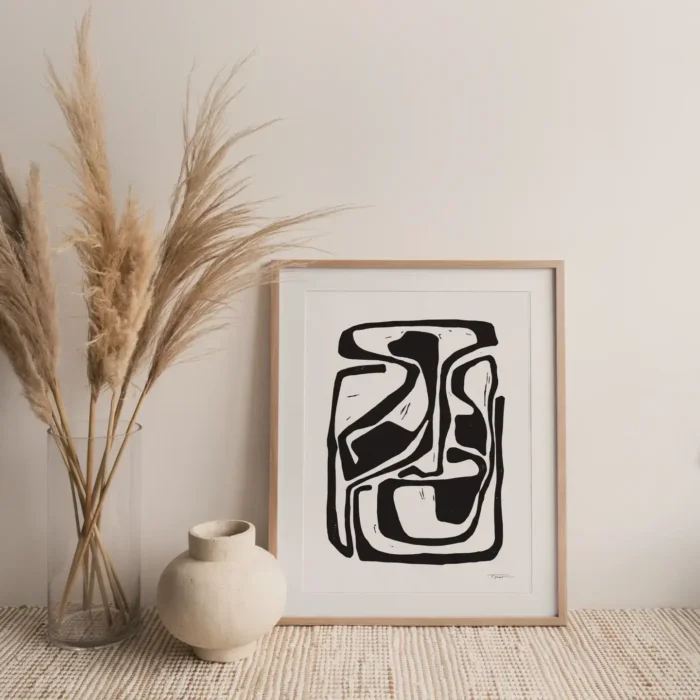
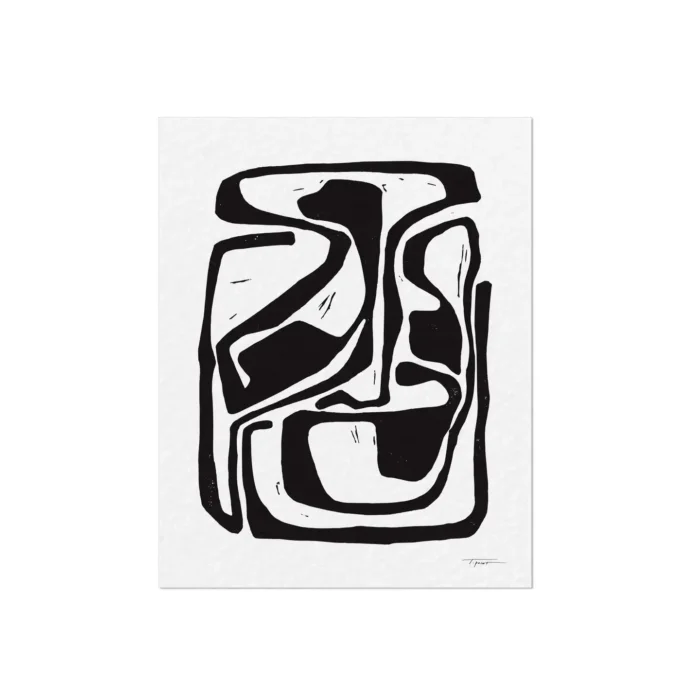
Black and white Bauhaus Block Print – WallPrice range: $32.00 through $40.00
-
Bauhaus Inspired Ellucian Mate Stars Art Print By Matt SaincelairPrice range: $58.15 through $74.20




Bauhaus Architecture vs. Modernism
While Bauhaus architecture is often considered a subset of the broader modernist movement, it distinguishes itself through its holistic approach to design. The Bauhaus philosophy sought to integrate art, craft, and technology seamlessly, creating a unified aesthetic that went beyond mere style.
Compared to other modernist approaches, Bauhaus architecture is characterized by:
- A strong emphasis on functionality and practicality
- A commitment to mass production and standardization
- An unwavering focus on the fusion of art and technology
- A cohesive, interdisciplinary approach to design education
The Legacy of Bauhaus: Influence on Mid-Century Modernism and Beyond
The influence of Bauhaus architecture extends far beyond its brief existence in Germany. As the school’s faculty and students dispersed across the world, they carried the Bauhaus principles with them, planting the seeds for the development of Mid-Century Modernism.
Mid-Century Modernism, which flourished in the post-World War II era, drew heavily from Bauhaus ideas, particularly in its emphasis on functionality, simplicity, and the use of new materials and technologies. However, Mid-Century Modernism also evolved beyond the strict confines of Bauhaus, incorporating a wider range of influences and experimenting with organic forms and materials.
Today, the legacy of Bauhaus architecture can be seen in countless buildings, interiors, and products around the world, from iconic structures like the Seagram Building in New York City to the ubiquitous designs of IKEA furniture.
Fascinating Facts About Bauhaus Architecture
- The Bauhaus pioneered the use of prefabricated bathroom units, which streamlined construction and improved sanitation standards in residential buildings.
- Walter Gropius designed a revolutionary revolving stage for theater productions, known as the Total Theater, which offered multiple perspectives for the audience.
- Bauhaus student Carl Witzmann experimented with geodesic dome structures in 1924, predating the work of Buckminster Fuller by several decades.
- The iconic Wassily Chair, designed by Marcel Breuer in 1925, was one of the earliest examples of flat-pack furniture, which could be shipped efficiently and assembled by the end-user.
- The Frankfurt Kitchen, designed by Austrian architect Margarete Schütte-Lihotzky in 1926, revolutionized kitchen design with its efficient layout and built-in storage, becoming a model for modern kitchens worldwide.
Embracing the Bauhaus Legacy in Design
The impact of Bauhaus architecture extends beyond buildings and into various aspects of design, including:
- Color theory: Bauhaus artists like Wassily Kandinsky and Johannes Itten developed influential theories on color and its psychological effects, which continue to shape graphic design and visual communication.
- Urban planning: Bauhaus architects envisioned holistic, functional living environments that integrated buildings, open spaces, and community amenities, influencing the development of modern urban planning principles.
- Furniture and product design: The school’s emphasis on functionality, simplicity, and mass production inspired a generation of designers, leading to the creation of timeless pieces like the Bauhaus Lamp and the Brno Chair.
- Typography and graphic design: Bauhaus pioneers like László Moholy-Nagy and Herbert Bayer revolutionized graphic design with their experimental approach to typography, layout, and visual hierarchy, setting the stage for the development of modern visual communication.
- Design education: The Bauhaus model of integrating theory and practice, fostering interdisciplinary collaboration, and emphasizing hands-on experimentation has become a template for design education programs worldwide.
Bauhaus architecture represents a pivotal moment in the history of design, one that continues to shape our built environment and aesthetic sensibilities to this day.
By embracing the principles of functionality, simplicity, and innovation, the Bauhaus movement laid the foundation for the development of modernist architecture and design, leaving an enduring legacy that inspires and challenges designers to create a better, more beautiful world.
As we navigate the challenges of the 21st century, the lessons of Bauhaus architecture remain as relevant as ever, reminding us of the power of design to transform lives and shape the future.
By understanding and appreciating the rich history and lasting influence of Bauhaus, we can continue to build upon its legacy, creating spaces and objects that embody the spirit of innovation, functionality, and beauty that defined this groundbreaking movement.