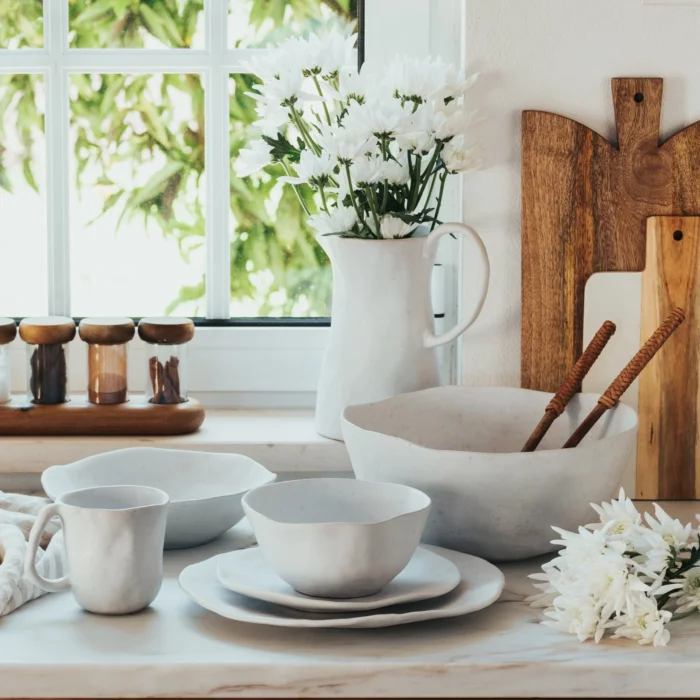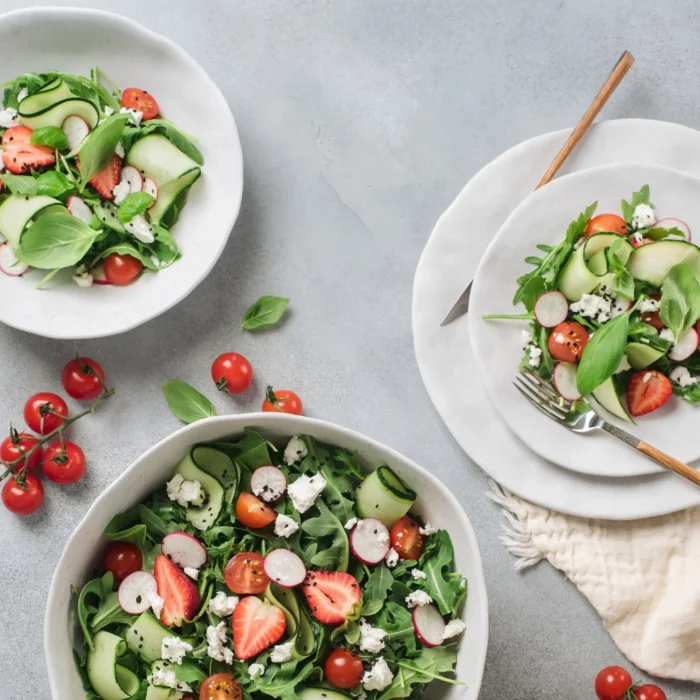

Have you ever wondered about stoneware vs. ceramic? If you’re picking out dinnerware or kitchen items, knowing what sets these materials apart can help you make the best choice for your home.
Understanding Ceramic Materials
Ceramic is a broad term that includes anything made from clay and then hardened by heat. This includes a variety of materials like earthenware, porcelain, and stoneware. Ceramics can be used for dishes, mugs, tiles, and even art pieces.
They’re often coated with a glaze, which is a shiny coating that makes them look pretty and protects them from wear and tear.
Types of Ceramics: Earthenware, Porcelain, and Stoneware
- Earthenware: This is the most common and oldest type of ceramic. It’s made from clay fired at a lower temperature, which makes it porous and less durable. Earthenware is often used for decorative pieces and some types of dishware.
- Porcelain: Porcelain is a type of ceramic known for being very white, smooth, and strong. It’s fired at a higher temperature than earthenware, making it more durable and non-porous. Porcelain is often used for fine china and high-end dishes.
- Stoneware: Stoneware sits in between earthenware and porcelain. It’s made from clay fired at a high temperature, making it durable and less porous than earthenware but not as refined as porcelain.
Key Features of Stoneware
Stoneware is a type of ceramic made from a specific type of clay fired at a very high temperature, usually between 2,200 and 2,400 degrees Fahrenheit. This high firing temperature makes stoneware very strong and less porous than other ceramics.
Is Stoneware Porous?
One of the key features of stoneware is its non-porous nature.
- Hygiene: Non-porous materials don’t absorb water, food, or bacteria, making them more hygienic and easier to clean.
- Stain Resistance: Because stoneware doesn’t absorb liquids, it resists stains from food and drinks, keeping your dishes looking new for longer.
- Durability: The non-porous quality adds to the overall durability of stoneware, making it less likely to crack or weaken over time.

Differences Stoneware vs. Ceramic
Durability
- Ceramic: The durability of ceramic depends on the type. Earthenware is the least durable, while porcelain is very strong. Stoneware falls in the middle but is still quite sturdy.
- Stoneware: Known for its toughness, stoneware is perfect for everyday use. It’s less likely to chip or crack compared to other ceramics, especially earthenware.
Porosity
- Ceramic: Earthenware is porous, meaning it can absorb liquids and stains if not glazed properly. Porcelain and stoneware are non-porous due to the high firing temperature.
- Stoneware: Stoneware is non-porous, which makes it resistant to water and stains. This is a big plus for items that come in contact with food and drinks.
Appearance
- Ceramic: Ceramics come in a wide range of styles, colors, and finishes. From the rustic look of earthenware to the sleek elegance of porcelain, there’s something for every taste.
- Stoneware: Stoneware offers a great balance of style and practicality. It can have a rustic or modern look, depending on the glaze and finish.
Also Read >> Your safest dishes to use at Home Guide in 2024
Is Stoneware Better Than Ceramic?
When deciding if stoneware is better than ceramic, it really depends on what you’re looking for.
Pros of Stoneware
- Durability: Stoneware is known for its strength and can handle everyday use without easily chipping or cracking.
- Non-Porous: Its non-porous nature means it won’t absorb liquids or stains, making it ideal for kitchen items that come into contact with food.
- Versatility: Stoneware can be both functional and stylish, fitting into various kitchen designs.
Pros of Other Ceramics
- Earthenware: Great for decorative pieces and items that don’t need to be super durable. It has a rustic charm that many people love.
- Porcelain: Perfect for special occasions due to its refined and elegant look. It’s also very durable and non-porous like stoneware.
Choosing What’s Best for You
- For Everyday Use: Stoneware is generally a better choice for everyday dishes because of its durability and ease of maintenance.
- For Special Occasions: Porcelain might be the way to go if you want something elegant for special dinners or events.
- For Decoration: Earthenware adds a lovely rustic touch to your home decor and works well for items that don’t see heavy use.
Stoneware vs. Porcelain Dinnerware Durability
When it comes to dinnerware, durability is key, especially for everyday use. Let’s see how stoneware and porcelain stack up against each other in terms of durability.
Stoneware Durability
- Everyday Toughness: Stoneware is known for its rugged durability. It can handle the bumps and knocks of daily use without chipping easily.
- Heat Resistance: Stoneware can withstand high temperatures, making it safe for use in the oven and microwave. However, avoid sudden temperature changes to prevent cracking.
Porcelain Durability
- Strength and Elegance: Porcelain is incredibly strong despite its delicate appearance. It’s less likely to chip than earthenware and can also withstand daily use.
- High-Temperature Firing: Porcelain is fired at very high temperatures, making it extremely durable and non-porous. This also makes it safe for oven and microwave use, but again, avoid sudden temperature changes.
Which is More Durable?
Both stoneware and porcelain are highly durable, but they excel in different areas. Stoneware is great for a more rustic, everyday use, while porcelain combines elegance with strength, making it suitable for both daily meals and special occasions.
The difference between stoneware vs. ceramic helps you make informed decisions for your home. Stoneware is a type of ceramic known for its durability and non-porous nature, making it ideal for everyday use. Ceramics, in general, offer a wide range of options from earthenware to porcelain, each with its own unique qualities.
Whether you’re choosing dishes for daily meals or special events, knowing these differences ensures you pick the best material for your needs. So next time you’re shopping for kitchen items, you’ll know exactly what to look for!
Key Differences Between Stoneware and Ceramic
| Feature | Stoneware | Ceramic |
|---|---|---|
| Thermal Shock Resistance | Moderate; can withstand gradual temperature changes, but can crack with sudden shifts. | Earthenware has low resistance; Porcelain and Stoneware have better resistance but still avoid sudden changes. |
| Cost | Moderately priced, varies with design and brand. | Earthenware: Least expensive; Porcelain: More expensive; Stoneware: Moderately priced. |
| Eco-Friendliness | Often made from natural, eco-friendly materials, some brands use sustainable practices. | Varies: Depends on the type and manufacturing process; look for eco-friendly brands. |
| Common Uses | Everyday dinnerware, bakeware, decorative pieces, storage jars. | Earthenware: Decorative items, planters; Porcelain: Fine china, high-end dinnerware; Stoneware: Everyday dishes, bakeware. |
| Microwave Safety | Generally microwave safe, but always check the manufacturer’s guidelines. | Earthenware: Often not microwave safe; Porcelain: Usually microwave safe; Stoneware: Generally safe. |
| Freezer Safety | Safe for freezer use, but avoid rapid temperature changes. | Earthenware: Not recommended; Porcelain: Usually safe; Stoneware: Generally safe. |
| Finish | Often has a smooth, glassy finish due to the glaze, can be matte or glossy. | Earthenware: Typically rough unless glazed; Porcelain: Smooth, often glossy; Stoneware: Can be either matte or glossy. |
Additional Tips
- Care: To prolong the life of your stoneware or ceramic items, avoid extreme temperature changes. For example, don’t move them directly from the oven to the fridge.
- Cleaning: Most stoneware and ceramic items are dishwasher safe, but always check the manufacturer’s instructions to be sure.
- How to Care For Ceramic Tableware: A complete Guide (2024)Usage: While stoneware is durable, it’s always a good idea to handle any ceramic item with care to avoid chips and cracks.
Differences Between Stoneware and Ceramic:
- Durability
- Porosity
- Appearance