
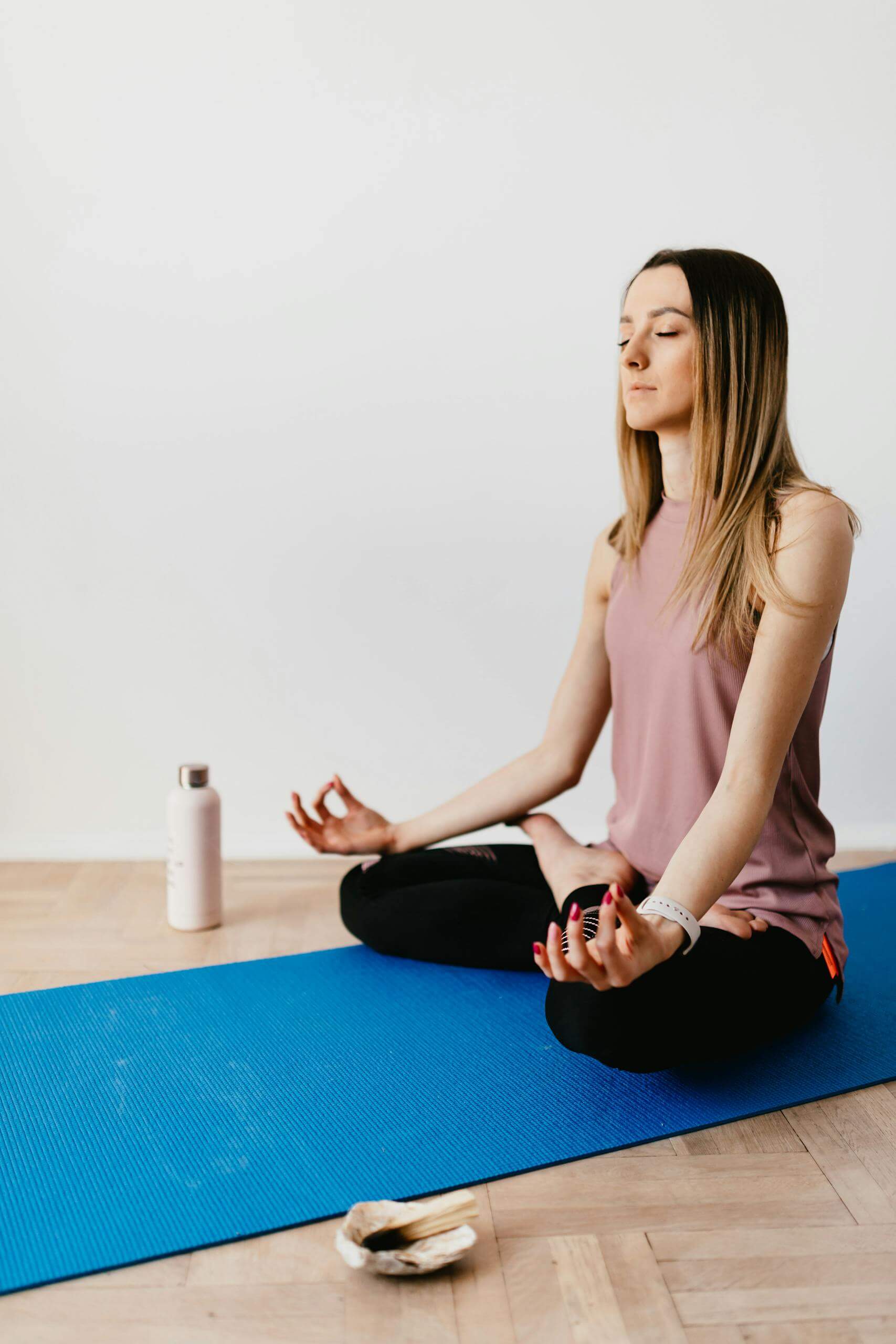
Meditation is becoming more popular in the United States. In 2017, 14% of US adults tried meditation, according to the National Center for Health Statistics. This rise shows that many people want to improve their mental health and well-being.
Meditation can help beginners in many ways:
- Reduce stress and anxiety
- Improve focus and concentration
- Enhance self-awareness
- Boost emotional health
- Promote better sleep
Apps make it easier to start meditating. They offer guided sessions, progress tracking, and reminders. This article will help you find the best meditation apps for your needs.
What to Look for in a Meditation App for Beginners
When choosing a meditation app, consider these features:
- Easy-to-use interface
- Various guided meditations
- Flexible session lengths
- Progress tracking tools
- Expert instructors and clear voice guidance
Top 10 Meditation Apps for Beginners
Here’s a comparison of the best meditation apps for newcomers:
| App Name | Key Features | Pricing | Best For | User Rating |
|---|---|---|---|---|
| Headspace | 500+ guided meditations, sleep stories | $69.99/year | Structured courses | 4.9/5 |
| Calm | Daily calm, sleep stories, nature sounds | $69.99/year | Sleep, relaxation | 4.8/5 |
| Insight Timer | 100,000+ free meditations, timer | Free, Premium $60/year | Variety, community | 4.9/5 |
| Ten Percent Happier | Video lessons, guided meditations | $99.99/year | Skeptics, beginners | 4.8/5 |
| Simple Habit | 5-minute meditations, on-the-go sessions | $89.99/year | Busy people | 4.8/5 |
| Buddhify | 200+ meditations, customizable wheel | $30 one-time fee | Customization | 4.8/5 |
| Smiling Mind | Age-specific programs, classroom content | Free | Kids, education | 4.7/5 |
| Stop, Breathe & Think | Emotion check-ins, personalized meditations | $59.99/year | Emotional awareness | 4.6/5 |
| Breethe | Bedtime stories, hypnotherapy sessions | $89.99/year | Sleep, anxiety | 4.8/5 |
| Aura | 3-minute meditations, life coaching | $59.99/year | Quick sessions | 4.7/5 |
Let’s look at some standout features of these apps:
Headspace
Headspace has over 70 million downloads worldwide. It offers a structured approach to meditation with courses for beginners.
Calm
Calm was named Apple’s “App of the Year” in 2017. It’s known for its soothing sleep stories and nature sounds.
Insight Timer

Insight Timer boasts the largest free library with over 100,000 meditations. It’s great for exploring different styles and teachers.
Ten Percent Happier
This app is designed for skeptics. It offers video lessons to explain the science behind meditation.
Simple Habit
Simple Habit focuses on quick, 5-minute meditations. It’s perfect for busy people who want to build a daily practice.
Comparing App Features
When choosing an app, think about these features:
- Guided vs. unguided meditations
- Sleep stories and bedtime content
- Breathing exercises
- Mindfulness reminders and widgets
- Community features and social sharing
Different apps excel in different areas. Pick one that matches your goals and preferences.
Tips for Getting Started with Meditation Apps
Here are some tips to help you start your meditation practice:
- Set realistic goals. Start with just 5 minutes a day.
- Create a consistent schedule. Try meditating at the same time each day.
- Try different types of meditations. Find what works best for you.
- Use app reminders. Let technology help you build a habit.
- Combine app use with other mindfulness practices. Try mindful walking or eating.
The Science Behind Meditation Apps
Research shows that app-based meditation can be effective. A 2019 study in JMIR mHealth and uHealth found that an 8-week app-based meditation program reduced stress by 14%.
Apps can support mindfulness by:
- Providing structure and guidance
- Offering variety to keep users engaged
- Tracking progress to motivate users
However, apps have limitations. They can’t replace in-person instruction or provide personalized feedback.
Integrating Meditation Apps with Your Wellness Routine
Meditation apps can enhance other wellness practices:
- Use guided meditations before yoga
- Listen to sleep stories for better sleep hygiene
- Try short meditations during work breaks
- Use stress-relief exercises during tense moments
Creating a Meditation-Friendly Environment at Home
To get the most out of your app-guided sessions:
- Set up a quiet space for meditation
- Invest in a comfortable cushion or mat
- Use calming scents like lavender or sandalwood
- Minimize distractions by turning off notifications
User Success Stories
Many beginners have found success with meditation apps. Here are some tips from app users:
- “Start small and be consistent. Even 5 minutes a day makes a difference.” – Sarah, Headspace user
- “Try different types of meditations. I found I prefer body scans over breath focus.” – Mike, Calm user
- “Use the app’s reminders. They helped me stick to my practice.” – Lisa, Insight Timer user
Meditation apps offer a great way for beginners to start a mindfulness practice. They provide guidance, variety, and convenience. Choose an app that fits your goals and lifestyle. Remember, the best app is the one you’ll use consistently.
Ready to start your meditation practice? Try one of the apps we’ve recommended. Your mind will thank you.