Have you ever dreamed of bringing a touch of the tropics into your home? Growing tropical plants indoors can be a rewarding experience, but it requires a little know-how. With these expert tips, you’ll be well on your way to successfully growing tropical plants indoors!
1. Choosing the Right Tropical Plants Indoors
Not all tropical plants are created equal for indoor living. When selecting your leafy companions, pick varieties that thrive in lower light conditions, as most indoor spaces don’t get as much sunshine as the outdoors.
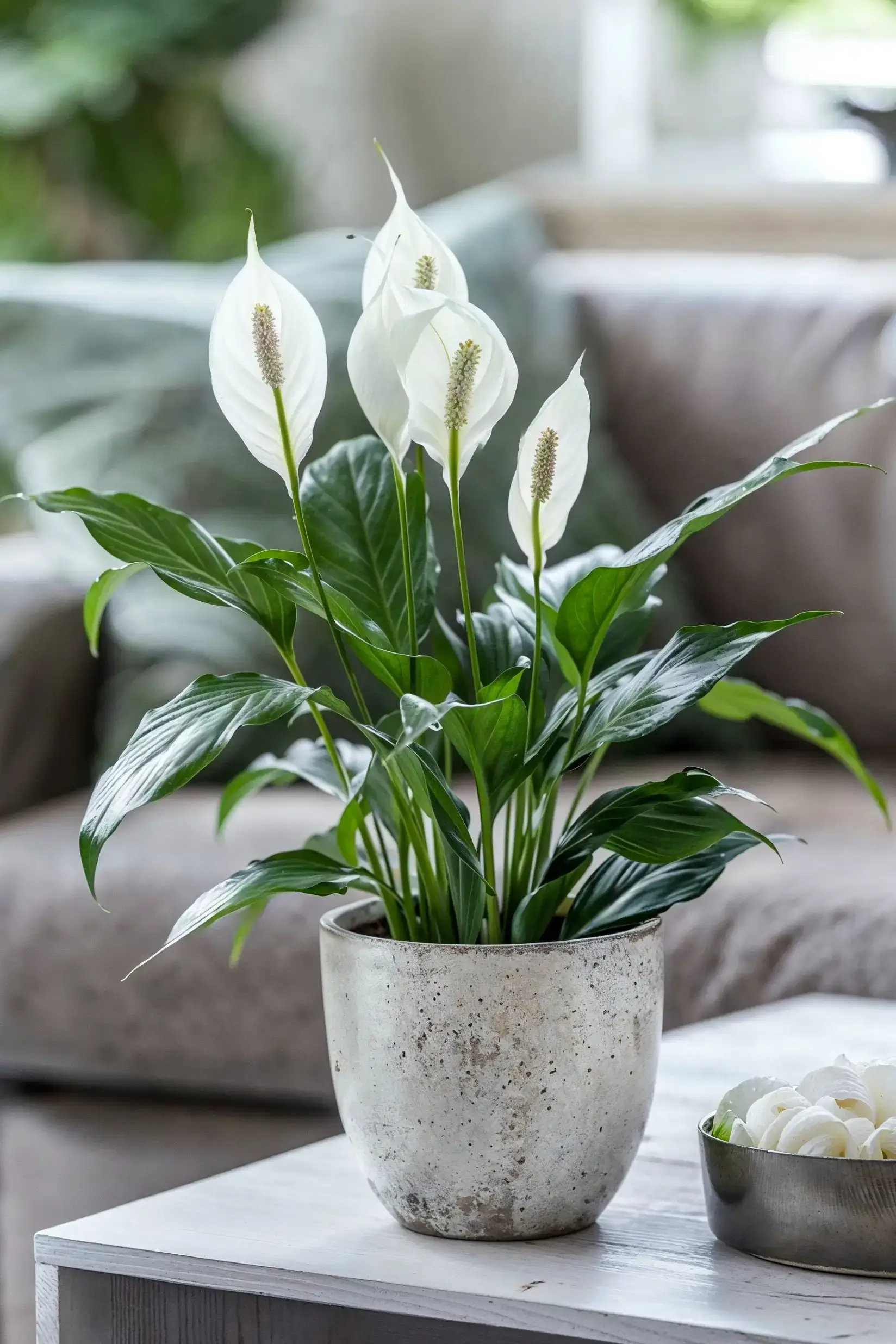
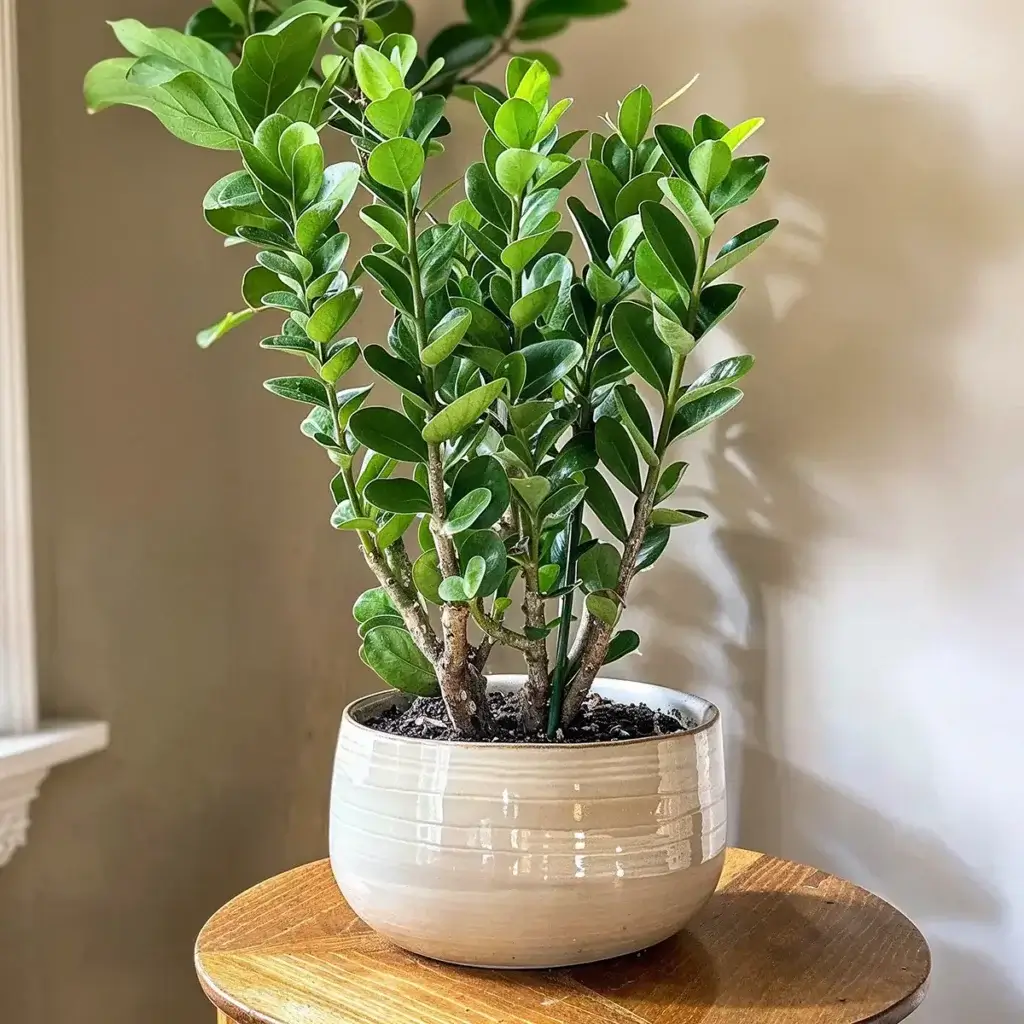
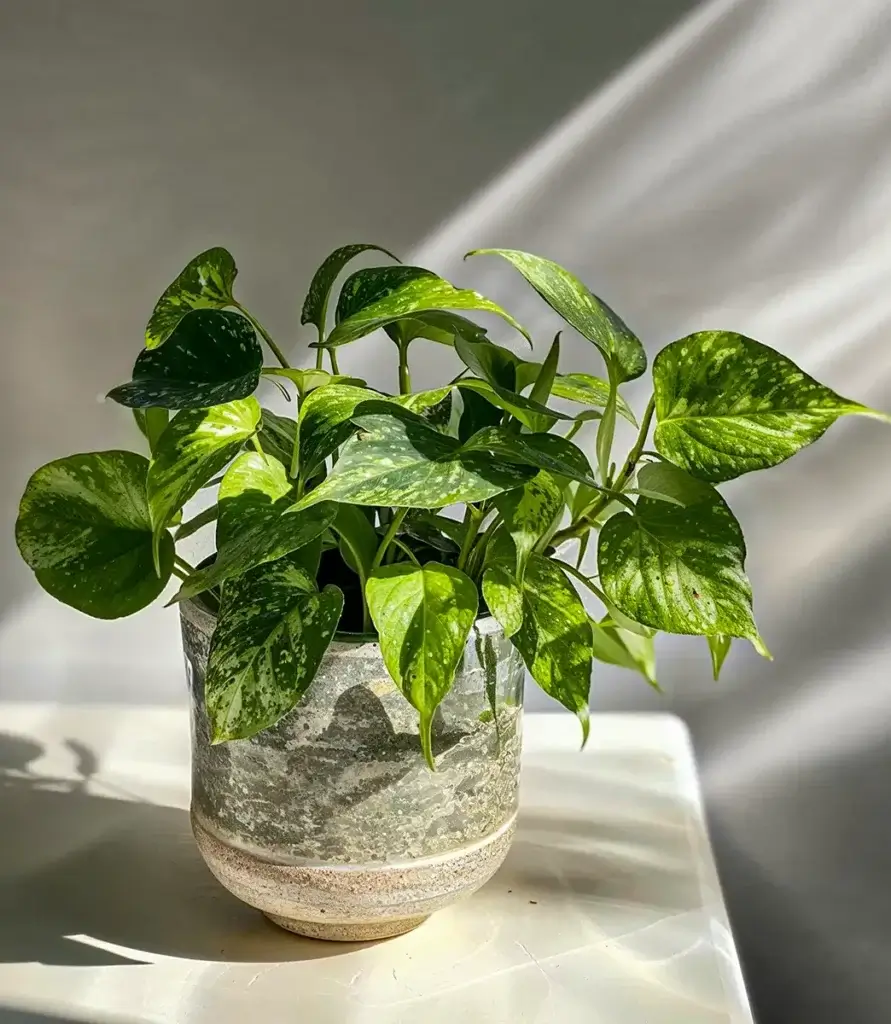
Popular choices include pothos, snake plant, peace lily, and zz plant. Remember to consider the plant’s mature size and how it will fit in your space.
Think about your lifestyle too – some indoor tropical plants need more frequent watering or special care, so choose ones that suit your routine.

2. Creating the Ideal Growing Environment
The key to thriving tropical plants indoors is mimicking their natural habitat. Here’s how to create a perfect tropical paradise inside your home:
- Amp Up the Humidity: Tropical plants love moisture in the air. Use a humidifier, place a pebble tray filled with water near the plants, or mist them regularly.
- Maintain Consistent Warmth: Aim for temperatures between 65-85°F (18-29°C). Avoid placing plants near drafts or cold windows in winter.
- Ensure Air Circulation: Good air flow prevents moisture build-up and mold growth. Use a fan or open windows occasionally to keep fresh air circulating.
Also Read >> Best Air-Purifying Houseplants for Bedrooms: Your Guide to Natural Sleep Sanctuaries (2024)
3. Providing Adequate Light and Humidity
We’ve already talked about humidity, but it’s so important, it bears repeating! Light is also crucial for healthy indoor tropical plants. Here’s how to get it right:
- Bright, Indirect Light is Best: Place your plants near windows for filtered sunlight. Avoid direct sun, which can scorch leaves.
- Supplement with Grow Lights: If your space lacks natural light, use full-spectrum grow lights to provide the necessary light energy for photosynthesis.
- Increase Humidity Levels: Group plants together to create a mini humid microclimate, use a pebble tray, or place a humidifier nearby.
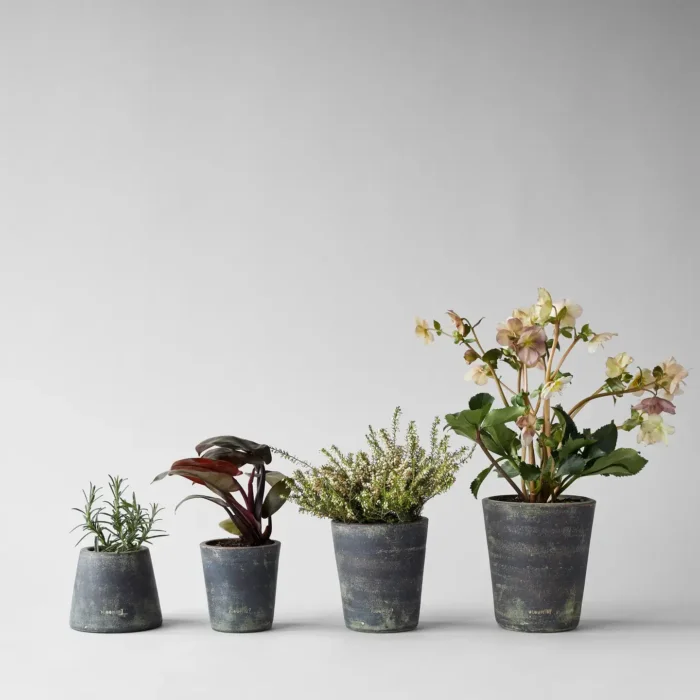
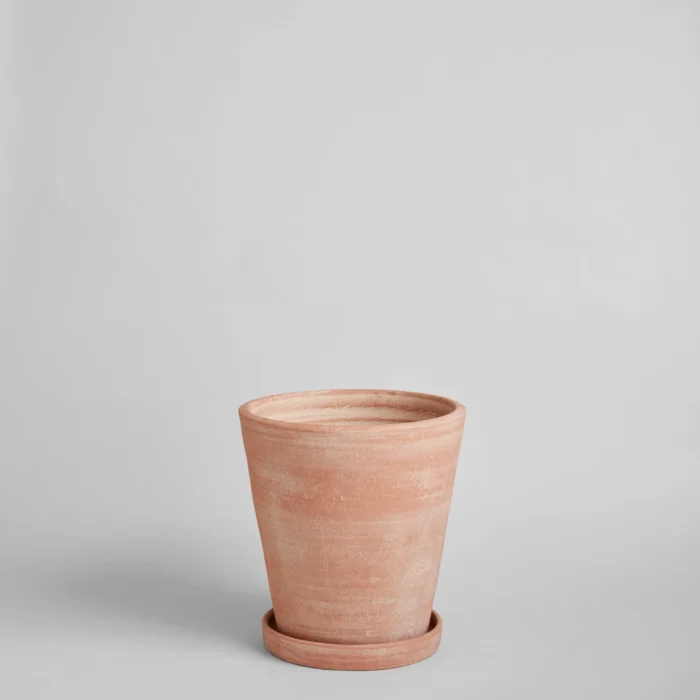
Shop Our Planters
-
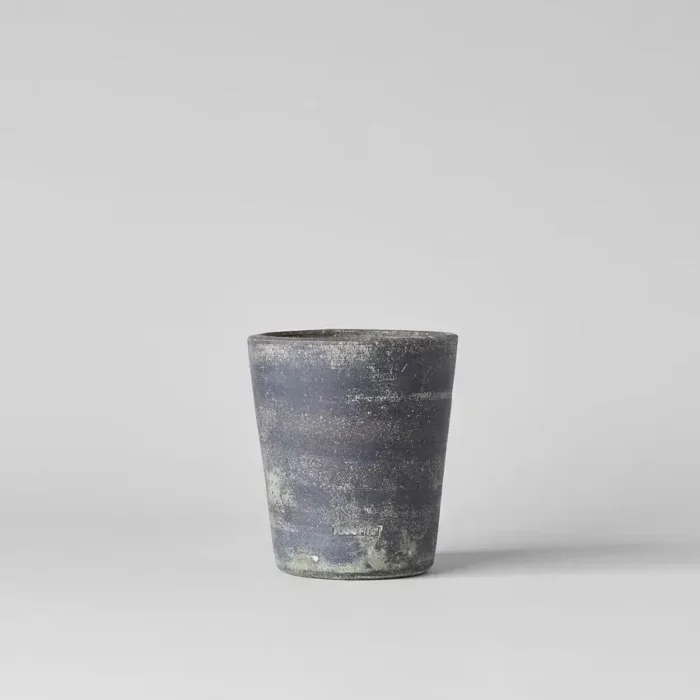
 Grey Patina Terracotta Planter, Handmade with a Mossy Weathered FinishPrice range: $120.00 through $145.00
 -
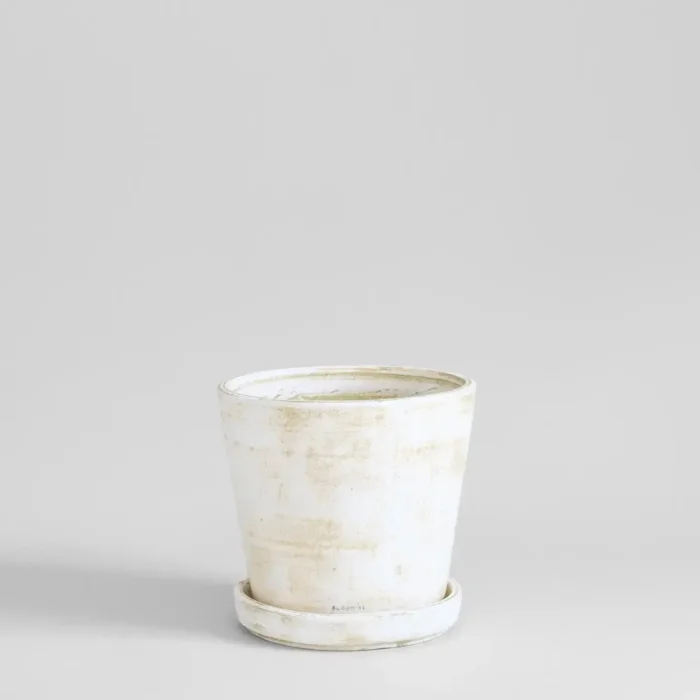
Hand-Thrown Terra Cotta Planter: Rustic White Patina FinishPrice range: $30.00 through $35.00
-
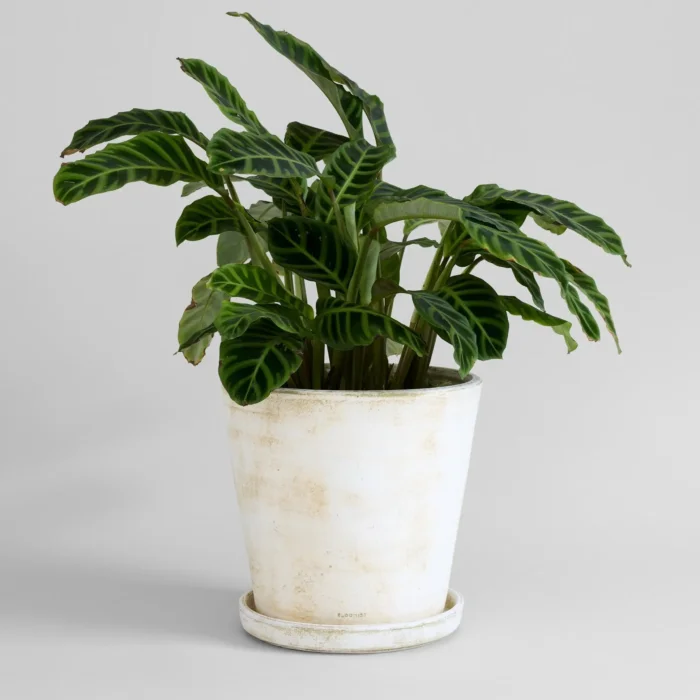
Handmade Terra Cotta Planters: Artisanal Studio Planter, Rustic Whitewash FinishPrice range: $40.00 through $90.00

4. Watering and Fertilizing for Healthy Growth
Just like us, tropical plants need a balanced diet and hydration to thrive indoors. Here’s a watering and fertilizing guide:
- Water Wisely: Tropical plants prefer consistently moist soil, but avoid overwatering, which can lead to root rot. Water when the top inch of soil feels dry, and use room temperature water with good drainage.
- Feed Regularly During Growth: Use a balanced, water-soluble fertilizer formulated for houseplants during the growing season. Follow the package instructions for dosage and frequency.
The key is finding the watering and fertilizing sweet spot to avoid underwatering or overdoing it, both of which can harm your plants.
5. The Perfect Potting Mix
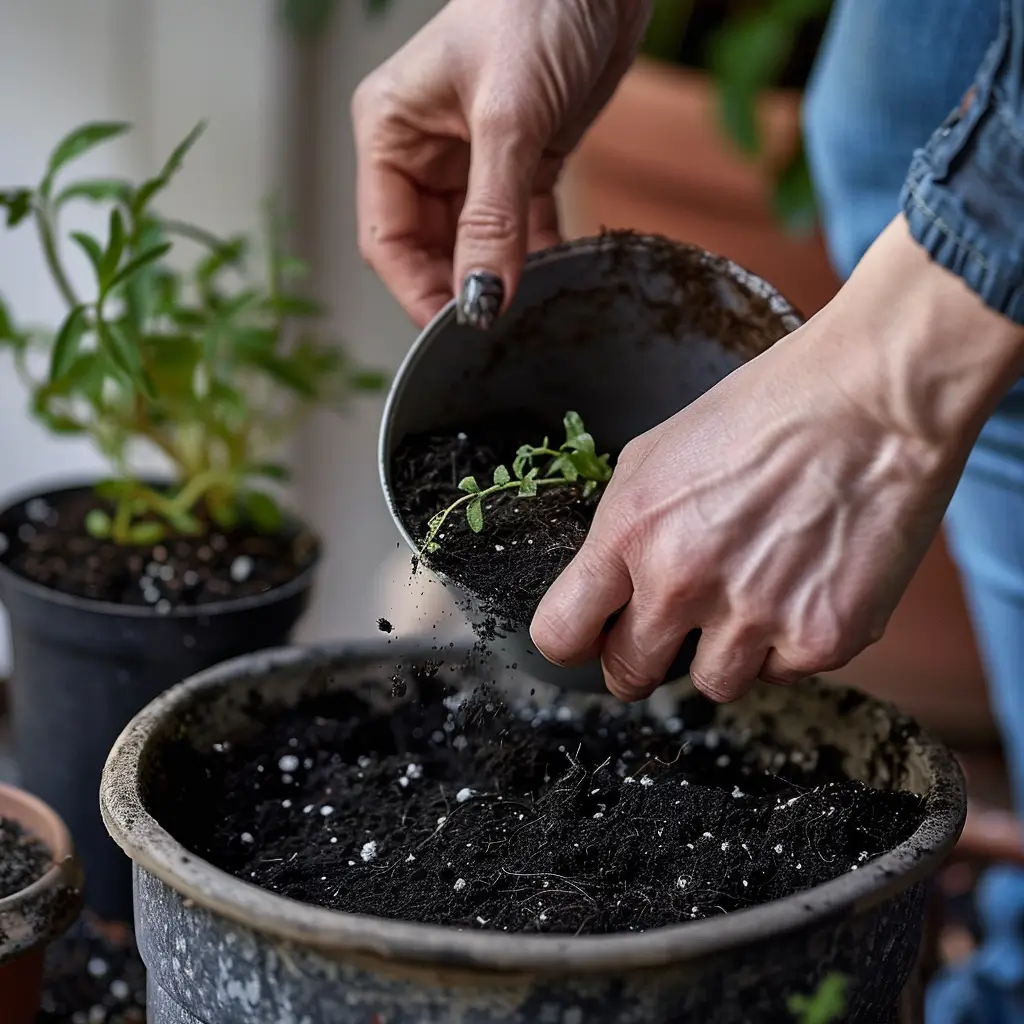
The right potting mix is like a comfy bed for your plant’s roots. Here’s what you need to know:
- Drainage is Key: Tropical plants don’t like soggy feet, so use a well-draining potting mix specifically formulated for them. You can also create your own mix with peat moss, perlite, and compost.
- Good Airflow Matters: Add perlite or orchid bark to the mix for improved aeration and drainage around the roots.
- Avoid Compacted Soil: Loose and fluffy potting mix allows roots to breathe and grow. Don’t pack the soil down too tightly.
With the perfect potting mix, you’re providing a healthy foundation for your tropical plants to thrive.
6. Preventing and Managing Pests
Pesty insects are a potential threat to your indoor jungle. Here’s how to prevent and manage them:
- Be a Plant Inspector: Regularly check your plants for signs of pests like webs, spots, or holes on the leaves. Early detection is key!
- Isolate the Affected: If you see pests, isolate the plant to stop them from spreading to its neighbors.
- Try Natural Pest Control Methods: Fight back with natural methods like spraying the leaves with a mild dish soap and water solution or using neem oil. These are effective against common pests like aphids, spider mites, and mealybugs.
- Chemical Pesticides as a Last Resort: If the infestation is severe, you may need to use chemical pesticides. But only use them as a last resort, and always follow the instructions carefully.
6. Propagating Tropical Plants to Expand Your Indoor Garden
Ever thought about multiplying your plant collection? Propagating tropical plants is a fun way to expand your indoor jungle and share the pleasure with friends. Here are some common propagation methods for tropical plants:
- Stem Cuttings: This works for many tropical plants. Take a healthy stem cutting with a few leaves and place it in a container with water or well-draining potting mix. Keep it warm and humid until roots develop.
- Division: Plants like snake plants or peace lilies can be divided. Gently separate the plant into sections, ensuring each section has roots and leaves. Plant the divisions in separate pots and care for them as individual plants.
- Leaf Cuttings: Certain tropical plants, like African violets, can be propagated from a single leaf. Place a healthy leaf in a container with water or a suitable potting mix. New plantlets will sprout from the base of the leaf.
By propagating your tropical plants, you can not only grow your collection but also enjoy the satisfaction of creating new life from existing plants.
Also Read >> 17 Easy Bedroom Refresh Ideas for a Welcoming Space
7. Adapting Tropical Plants to Seasonal Changes Indoors
Unlike their natural outdoor habitat, indoor environments can change with the seasons. Here’s how to help your tropical plants adjust:
- Temperature Adjustments: During colder months, keep your plants away from drafts and windows. Maintain a warm and consistent temperature for them. Monitor the temperature and adjust as needed throughout the year.
- Light Adjustments: As the seasons change, the amount of natural light may vary. Pay attention to how much light your plants receive and adjust their location if needed. You might need to move them or supplement with artificial grow lights during winter.
- Humidity Adjustments: Indoor humidity levels can fluctuate, especially in winter when heating systems dry out the air. Use a humidifier, group plants together, or mist the leaves more frequently to increase humidity.
Also Read >> How to Permanently Get Rid of Drain Flies: Your Guide to a Fly-Free Home
By adapting your care routine to seasonal changes, you can help your tropical plants thrive indoors all year round.
With a little planning and these expert tips, you can transform your home into a flourishing indoor jungle filled with beautiful tropical plants.